Want the ease of a quick DC commute without giving up neighborhood charm? Arlington gives you both, with dense transit, lively village cores, and plenty of ways to shape your weekday. Whether you take Metro, hop on a bike, or split time with hybrid work, understanding the daily rhythm here helps you decide where to live and how to get around. In this guide, you’ll see commute options, neighborhood vibes, housing types, and everyday routines so you can picture life on both your office and home days. Let’s dive in.
Commuting options at a glance
Arlington sits on three Metrorail lines: Blue, Orange, and Silver. Core stations include Rosslyn, Courthouse, Clarendon, Virginia Square–GMU, Ballston–MU, Pentagon, Pentagon City, and Crystal City. If you want the shortest trips and flexible evenings, target homes within an easy walk to a station. Typical rides from close-in stations to central DC are often about 10 to 20 minutes, with off-peak frequency lower than rush hour.
Local bus coverage is strong. Metrobus and ART (Arlington Transit) routes connect neighborhoods to Metro, lunch spots, and retail. Express commuter routes serve federal and business districts, and many employers run private shuttles.
If you drive, you’ll use I-66, I-395, or I-95, including tolled express or HOV lanes during peak periods. Weigh parking and toll costs against time saved, and expect inbound congestion in the morning and outbound in the evening.
Cycling is a real option. The Custis Trail, Mt. Vernon Trail, and on-street lanes link to bridges into DC, and Capital Bikeshare and scooters help with first and last mile. Many short commutes across Key Bridge or Memorial Bridge are bike friendly for experienced riders.
Choosing a commute-first neighborhood
Here is how a few micro-areas line up for everyday living and the DC commute:
- Rosslyn: High-rise condos and rentals near the Potomac with a major transit hub. Quick access to DC and Georgetown, strong for riders who want the shortest rail or bike trips.
- Courthouse / Clarendon / Lyon Village: Orange and Silver Line access, lively dining and errands, and a walkable retail core. Lyon Village offers tree-lined streets near the action.
- Ballston / Virginia Square: Suburban-urban mix with offices, shopping, and the university presence nearby. Good for those who want modern buildings and active streets.
- Pentagon City / Crystal City (National Landing): Rapid redevelopment with mixed-use towers, retail, and proximity to the airport. Popular with commuters who want newer buildings and amenities.
- Pentagon / Arlington Ridge / Aurora Highlands: Near the Pentagon with a mix of condos and older single-family homes. Arlington Ridge offers elevated views and a quieter residential feel.
- Westover / Cherrydale / Glencarlyn: Residential areas with small commercial nodes and parks. Expect more single-family homes and a calmer pace, with bus-to-Metro links.
- East Falls Church: Single-family pockets with Orange Line access and relatively easier reach to I-66. A fit if you balance transit with occasional driving.
- Shirlington: A walkable “village” scene with dining and theater south of I-395. No direct Metrorail, but solid bus connections.
If you want the lowest-in-transit commute times, focus on Metro-adjacent nodes like Rosslyn, Courthouse, Clarendon, Ballston, Pentagon City, and Crystal City. If you prefer detached homes and more space, look a few blocks farther from stations or in residential pockets with bus links to rail.
Housing types and what they offer
You’ll find four common choices:
- High-rise condos and rental towers: Concentrated near Metro and National Landing, often with gyms, package rooms, and concierge services.
- Mid-rise and garden apartments: Transitional corridors and neighborhood centers with smaller buildings and easy errand access.
- Townhomes: A middle ground that balances space and low maintenance, including newer infill options.
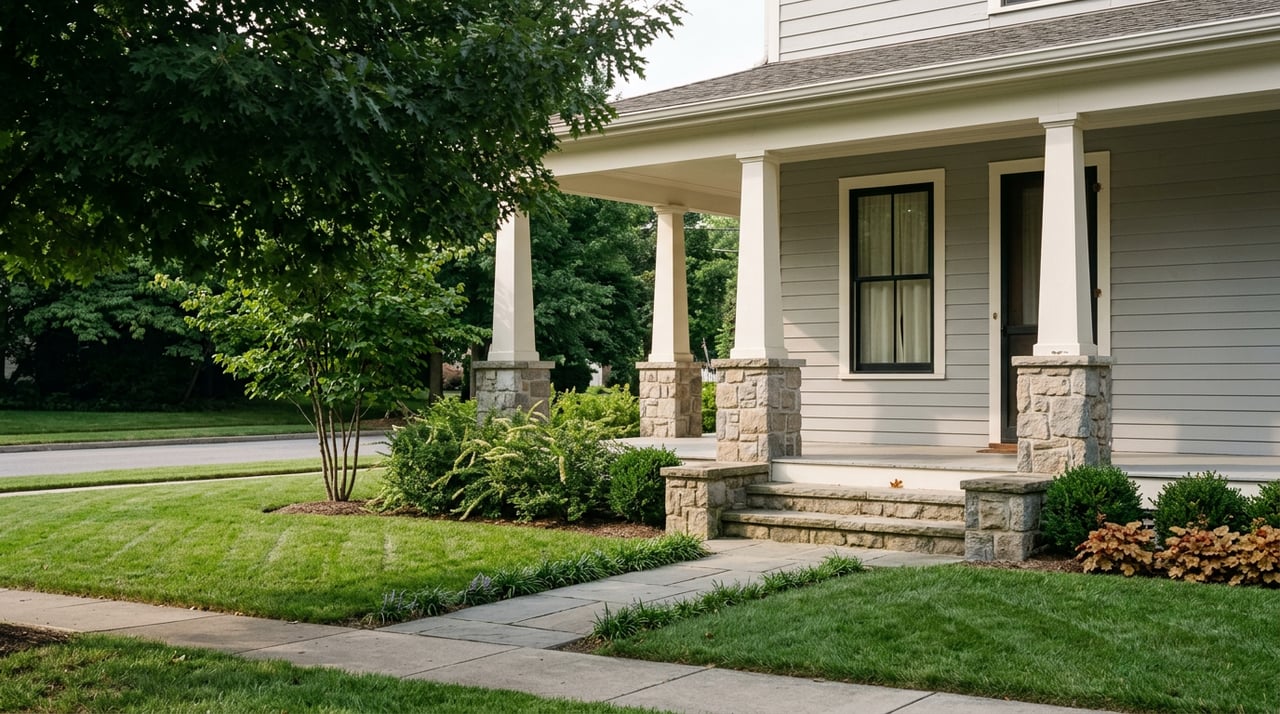
- Single-family homes: Classic streetscapes in areas like Lyon Village, Glencarlyn, and Arlington Ridge, with larger lots and more upkeep.
Pricing generally rises with walkability and rail proximity. Metro-adjacent addresses tend to carry a premium, while homes a bit farther from stations can be more affordable and may rely on bus or short drives to rail. The rental market is strong, and proximity to transit keeps demand resilient. If you view housing through an investment lens, areas with ongoing redevelopment, such as National Landing, often show sustained interest over time.
Buyer vs. renter trade-offs
- Renting gives you flexibility, easy access to transit without owning parking, and amenity packages.
- Buying can offer equity growth and stable monthly costs compared with rising rents, and may suit longer-term plans that include schools and local routines.
Quick checklist: prioritize your needs
- Shortest commute or most space at home?
- Walk-to-Metro or bus-to-Metro with a larger floor plan?
- Condo amenities or a private yard and garage?
- Hybrid work setup at home or shared building workspace?
A weekday in Arlington
On an office day, you might grab coffee near Clarendon and take the Orange or Silver Line downtown in minutes. On hybrid days, you can work from home in the morning, head out for lunch in Ballston, and hop to a client meeting by Metro in the afternoon. Evening errands are easy near station hubs with grocery, fitness, and services clustered together.
Fitness fits in too. The Custis Trail and Mt. Vernon Trail are popular for runs and rides, and neighborhood studios offer yoga, spin, and strength classes. If you want fresh air after work, Gravelly Point is a quick outing with river views and airplane watching.
Dining runs the spectrum. Clarendon and Ballston have casual spots and buzzy bars, while Crystal City and Pentagon City continue to add restaurants and breweries as redevelopment expands. Shirlington’s theater and brunch scene draws consistent weekend energy.
Weekends without the hassle
Saturday can start with a farmers market in Clarendon or Courthouse, followed by a bike ride that links neighborhood trails. Arts and culture options include local galleries and independent theaters, with seasonal festivals dotted across the calendar. When you want a change of scene, it’s an easy hop to Georgetown, Old Town Alexandria, or Mount Vernon for a quick day trip.
Practical things to know
- Parking and permits: Many close-in blocks use residential permit zones and meters. In condo buildings, confirm whether spaces are deeded and review guest policies.
- Schools and childcare: Families often reference Arlington Public Schools when choosing a location. Boundary maps and performance data are public, and childcare demand can be high, so plan outreach early.
- Safety and services: The county provides full police, fire, and EMS coverage. For the most accurate neighborhood context, review county crime maps and local reports.
- Taxes and ongoing costs: Property taxes, assessments, and HOA or condo fees vary by property type. Factor these into your long-term budget alongside Virginia state and local tax considerations.
- Telework and commuter benefits: Many regional employers offer pre-tax transit accounts, shuttles, and flexible hours. These can meaningfully change your best commute option.
How we help you decide
Choosing the right Arlington home is about trade-offs you can live with every day. We help you weigh commute time, neighborhood rhythm, housing type, and long-term costs, then align those with your routine and goals. When you are ready to tour options near Metro or explore quieter residential pockets with strong bus links, we make the next steps seamless.
Ready to map your week and your move? Schedule a complimentary consultation with The Lyndsi + Matt Team to compare neighborhoods, narrow your search, and move forward with confidence.
FAQs
What are the best Arlington areas for the shortest DC commute?
- Metro-adjacent hubs like Rosslyn, Courthouse, Clarendon, Ballston, Pentagon City, and Crystal City typically offer the quickest rail access to central DC.
How long is the Metro ride from Rosslyn to central DC?
- Many trips from close-in stations such as Rosslyn to downtown DC take about 10 to 20 minutes, depending on your exact destination and transfer needs.
Is parking difficult near Arlington’s Metro stations?
- Expect residential permit zones and metered streets near busy corridors, and confirm building garage options, deeded spaces, and guest policies if you own or rent a condo.
Are there kid-friendly amenities and schools in Arlington?
- Arlington has parks, playgrounds, community programs, and public schools with published boundary maps and performance data you can review during your search.
Is biking a realistic daily commute from Arlington into DC?
- Yes, many riders use the Custis and Mt. Vernon trails and cross Key or Memorial Bridge, with Capital Bikeshare and scooters helping with first and last mile.
How should commuters choose between condos, townhomes, and single-family homes?
- Start with commute priority and maintenance level: condos maximize convenience and amenities near rail, townhomes balance space with lower upkeep, and single-family homes offer more room with added maintenance.