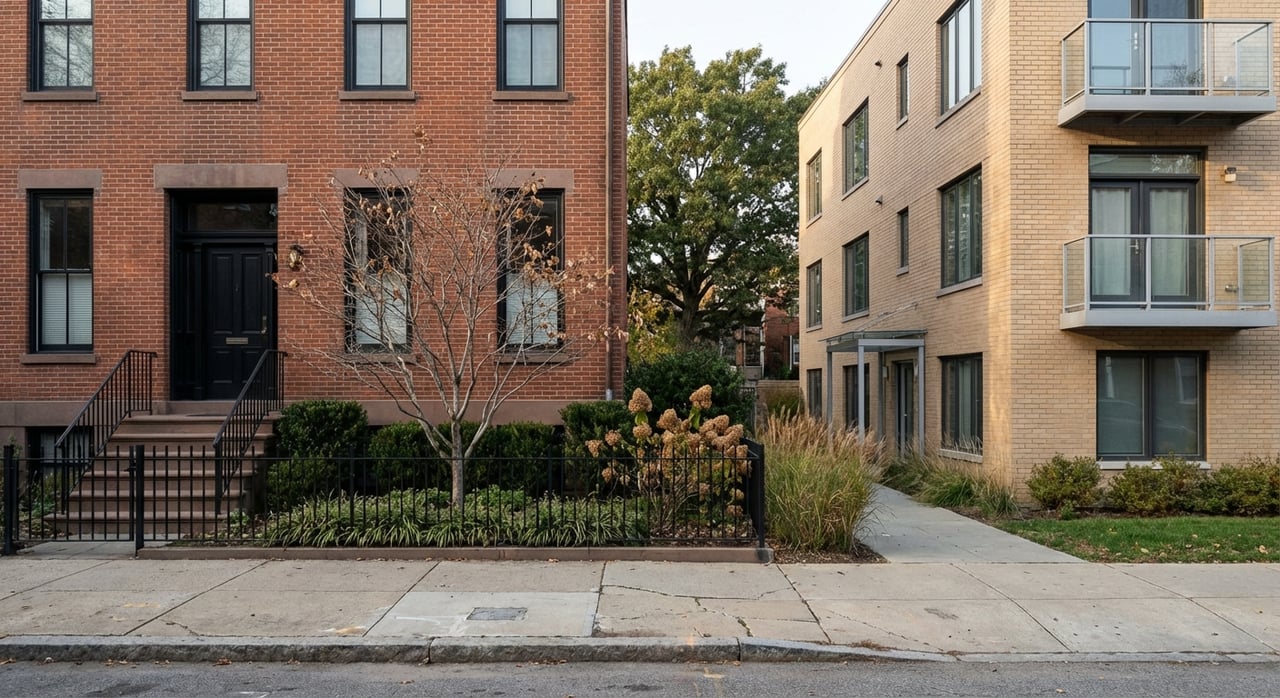
Torn between a sleek condo by the Brookland‑CUA Metro and a classic brick rowhouse on a quiet, tree‑lined street? You are not alone. Brookland gives you two very different paths to homeownership, each with its own rhythm of space, costs, and convenience. In this guide, you will learn how Brookland’s micro‑locations, monthly costs, and long‑term rules can tilt your decision one way or the other. Let’s dive in.
Brookland at a glance
Brookland sits in Ward 5 in Northeast DC, centered on Catholic University and the Brookland‑CUA Red Line station. It blends early‑20th‑century rowhouses and detached bungalows with newer condo and mixed‑use buildings near Monroe Street Market. That block‑by‑block mix is why choosing between a condo and a rowhouse here is so personal. For quick neighborhood context, see the overview of Brookland’s history and housing mix.
Market snapshot: recent data show a Brookland median sale price around $892,500 for January 2026 across all home types. Treat that number as a broad anchor only. Smaller condo flats near the Metro often price lower, while renovated rowhouses on interior streets can run higher.
Where each option shines
- Near the Brookland‑CUA station and Monroe Street Market you will find more newer condo buildings, walk‑ups, and mixed‑use developments. Proximity to the Red Line and retail often reduces the need for a car and can offset limited on‑site parking. Explore the station area on WMATA’s Brookland‑CUA page.
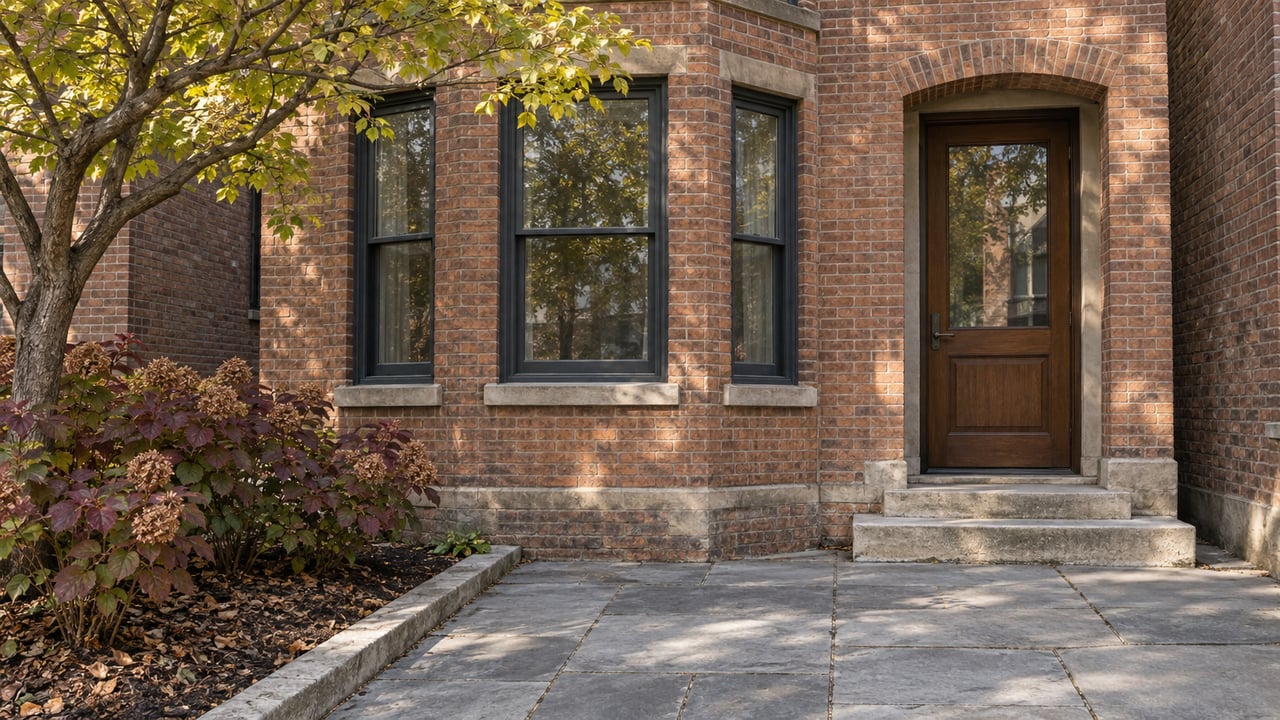
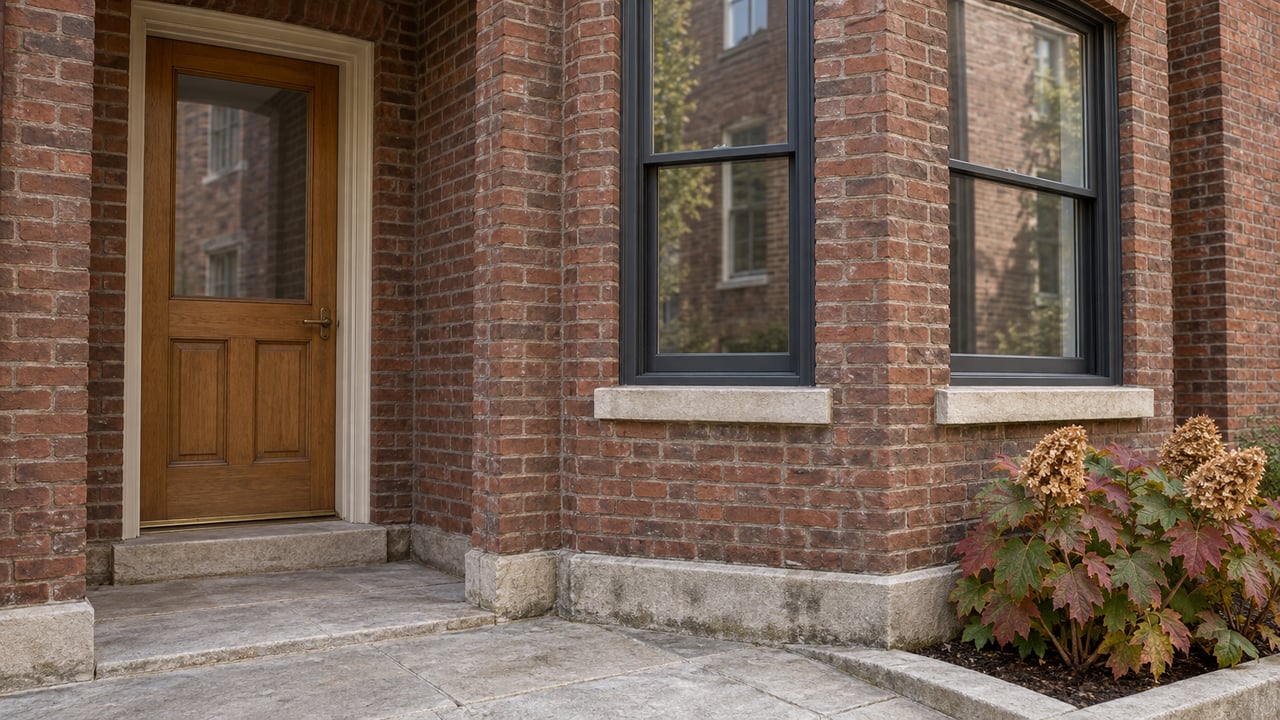
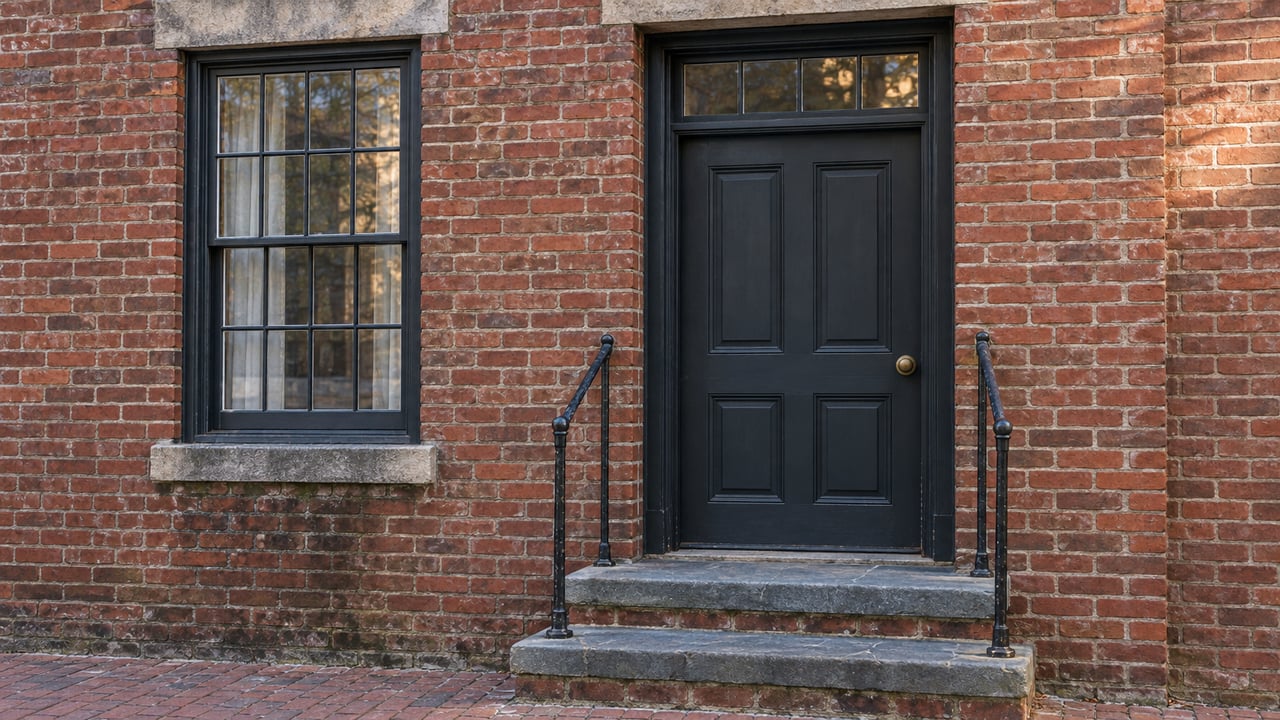
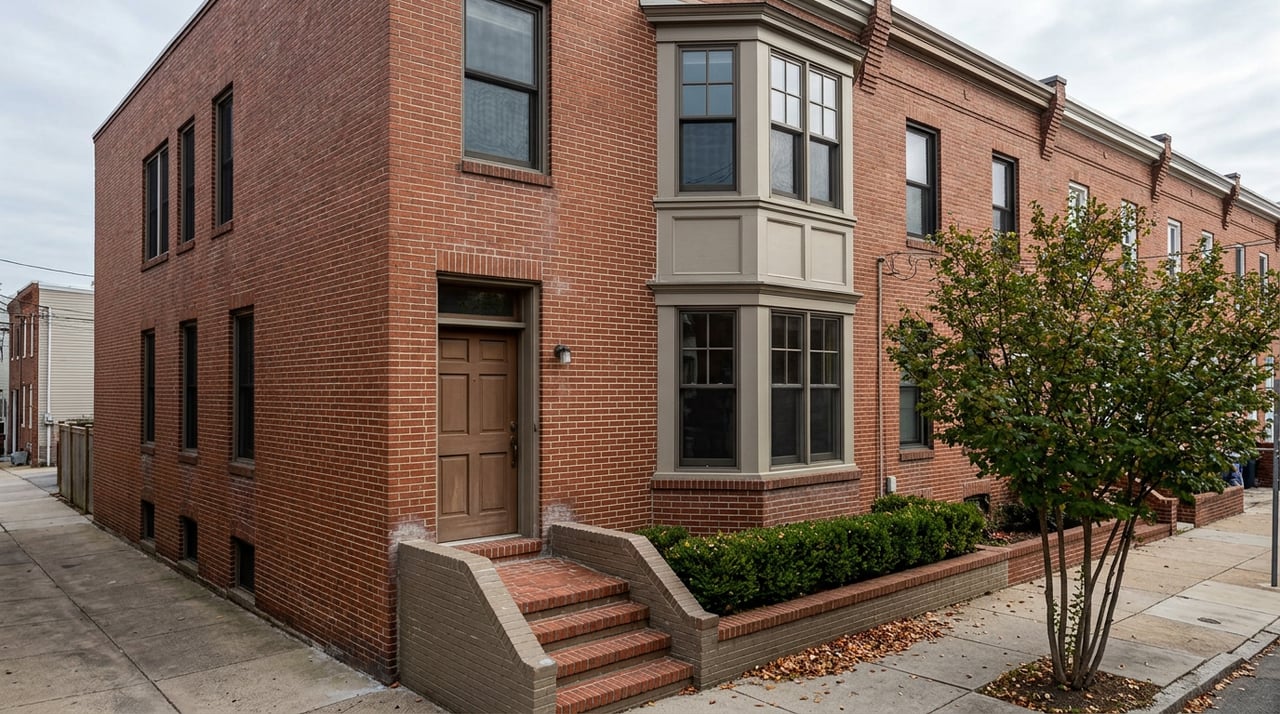
- On quieter interior streets, you will see rows of classic attached homes and some detached bungalows. These blocks typically offer more space, private entrances, and yards.
The right fit comes down to your lifestyle priorities: low‑maintenance living near transit or more space and privacy on a residential street.
Maintenance and governance
Condos: predictable services, shared decisions
Condo associations usually handle exterior building systems, roofs, landscaping, common utilities, and shared amenities. You pay a monthly condo fee that varies by building and what is included. In Brookland, observed fees can range from the low hundreds to several hundred dollars per month, especially when utilities or parking are included.
Two items to verify before you write an offer:
- Financial health and eligibility. Ask your lender to confirm the building’s project‑level eligibility early, since conventional loans can be limited if reserves are weak or litigation exists. Learn how lenders evaluate condos in Freddie Mac’s Condo Project Advisor FAQs.
- Special assessments. Associations can levy assessments for major repairs. Review budgets, reserve studies, and recent meeting minutes to understand upcoming capital needs.
Rowhouses: control and responsibility
Most Brookland rowhouses are fee simple, which means you control maintenance for the entire structure and lot. You will likely have no or very modest HOA fees, but you should plan for irregular costs like roof work, gutters, exterior paint, fencing, and HVAC. Some small townhome communities have light association dues for shared drives or alleys, so read disclosures carefully.
Privacy and noise
Condos
Condos come with vertical and horizontal neighbors, shared corridors, and building rules that shape day‑to‑day living. Corner or top‑floor units can feel quieter but may cost more. Expect building bylaws that cover guest access, move‑in procedures, and common‑area use.
Rowhouses
Rowhouses typically share one or two party walls and have private front entries and rear yards. That layout often feels more “house‑like.” Still, sound can travel through party walls, and shared roof or gutter details can require neighbor coordination. Ask about any past neighbor issues during due diligence.
Outdoor space and parking
Outdoor space
- Condos often offer balconies, shared courtyards, or roof decks. These spaces can be great for low‑maintenance fresh air without yard work.
- Rowhouses commonly provide rear yards, front porches, or roof decks on renovated homes. If personal outdoor space ranks high for you, a rowhouse may fit better.
Parking
Transit‑rich blocks around the Brookland‑CUA station have limited curb parking in places, while some newer buildings include garages. DC’s Residential Permit Parking program is issued block by block, so verify your street’s eligibility in the RPP block dataset. If you own a car, confirm any off‑street parking in the listing and review building or HOA rules on permits. You can also preview the station area and access patterns on WMATA’s Brookland‑CUA page.
Monthly costs: how to compare
You will want to build an apples‑to‑apples budget that goes beyond the purchase price. Use this checklist:
- Condo fee. In Brookland, fees vary widely by building and what is included. Some fees are near the low hundreds, while others rise into the higher hundreds when they cover utilities, parking, or robust building services. Read the budget and ask what the fee includes.
- Property tax. DC’s residential tax rate is about $0.85 per $100 of assessed value for most owner‑occupied homes. As a rough example, 0.85 percent on a $600,000 assessed value is about $5,100 per year. Confirm current rates with the DC Office of Tax and Revenue.
- Insurance. Condo buyers typically carry an HO‑6 policy for interior finishes, personal property, liability, and loss‑assessment coverage. Rowhouse buyers usually carry an HO‑3 or HO‑5 homeowner policy that covers the full structure and lot. Ask your agent and insurer to compare deductibles and coverage scope based on the building’s master policy.
- Utilities. Some condos include water, trash, and sometimes heat. Rowhouse owners pay all utilities directly. Clarify what is included before you compare monthly totals.
- Maintenance reserve. Even with a condo, plan for interior updates. With a rowhouse, add a reserve line for roof, exterior, and major systems. Many buyers earmark funds for cyclical, multi‑thousand‑dollar items over time.
Long‑term flexibility, resale, and rules
Financing for condos
Conventional financing can be more sensitive on condos if a project shows high investor concentration, low reserves, litigation, or other red flags. Ask your lender to run project checks early using tools described in Freddie Mac’s condo eligibility guidance. Early clarity helps you avoid surprises on rates or loan programs.
DC condominium law and warranties
If you are buying new construction or a recent conversion, review developer warranties and association documents. Local guidance explains how DC’s condominium framework affects registration, defect claims, and warranties. For a helpful overview, see this summary of DC condos and co‑ops.
Association liens and assessments
Condo associations in DC can have powerful assessment lien rights in certain circumstances. Lenders and buyers pay close attention to this risk when reviewing a building’s health. For context, read about the super‑priority lien concept and discuss any questions with your lender and counsel.
Rentals and short‑term rentals
If you plan to rent your home, check two layers of rules. First, review building bylaws for any rental caps or bans, especially for short‑term stays. Second, DC requires licenses for short‑term rentals and caps the number of nights for whole‑home vacation rentals when you are not present. Get details and requirements from the DC Department of Licensing and Consumer Protection.
TOPA considerations
DC’s Tenant Opportunity to Purchase Act gives many tenants a right of first refusal when multi‑unit buildings are sold. Most single‑family homes and many small owner‑occupied properties are exempt, but timelines for multi‑unit sales can be affected. Learn more from the District’s TOPA resources.
What to review before you offer
If you are buying a condo
- Association budget, latest financials, and reserve study.
- Owner‑occupancy rate, delinquency data, and any pending litigation.
- Last 6 to 12 months of association minutes and any planned assessments.
- Master insurance policy and what the condo fee includes.
- Project eligibility status with your lender as outlined in Freddie Mac’s FAQ.
If you are buying a rowhouse
- Whole‑house inspection, with attention to roof, foundation, plumbing, electrical, and HVAC.
- Alley access and any shared driveway or party‑wall agreements.
- Utility history and age of major systems.
- Whether the property is in a historic district or subject to special zoning or right‑of‑way constraints. Use DC’s mapping layers to start your review on the DC GIS platform.
For both types
- Build a full monthly budget that includes principal and interest, estimated taxes from the OTR tax rate page, HOA or condo dues if any, insurance, utilities, and a maintenance reserve.
- If you rely on street parking, confirm block eligibility with the Residential Permit Parking dataset.
- If you plan to host short‑term rentals, confirm licensing rules with DLCP and check association bylaws.
A quick decision guide
Choose a Brookland condo if you want:
- Low‑maintenance living with building services and predictable monthly fees.
- Transit convenience near the Red Line and Monroe Street Market.
- A smaller footprint with modern finishes and shared amenities.
- The option to lock and leave for travel with less yard care.
Choose a Brookland rowhouse if you want:
- More interior space, a private entry, and a yard or porch.
- Greater control over your property and fewer fixed fees.
- Long‑term flexibility for renovations or multi‑phase improvements.
- A “house‑like” feel on residential streets with neighborhood character.
Ready to compare on the ground?
There is no single right answer in Brookland. The best choice is the one that fits how you live today and where you want to be five years from now. If you want a side‑by‑side tour of a condo near the station and a rowhouse a few streets away, we can curate options, build a clean budget, and pressure‑test the rules that matter to you. Schedule a complimentary consultation with The Lyndsi + Matt Team to get started.
FAQs
What is Brookland’s housing mix and where are options concentrated?
- Brookland blends early‑20th‑century rowhouses and detached homes with newer condos near the Brookland‑CUA Red Line and Monroe Street Market. The micro‑location matters, so compare blocks around the station with interior streets. For general context, see Brookland’s overview and WMATA’s station page.
Are condos cheaper to own month to month in Brookland?
- Sometimes. Condos often have lower purchase prices but include a monthly condo fee that may cover some utilities. Rowhouses tend to have higher purchase prices and little to no HOA fees but require you to budget for variable maintenance.
How does parking work near the Brookland‑CUA Metro?
- Curb parking can be tight closest to the station, and some buildings include garages. Check your block’s eligibility in the Residential Permit Parking dataset and review any HOA or building rules on permits and garage use. You can also preview station access on WMATA’s page.
Will an HOA make financing harder for a Brookland condo?
- Not necessarily. Lenders review the building’s financial health and eligibility. High investor ratios, low reserves, or litigation can limit certain conventional loans. Ask your lender to run project checks as outlined in Freddie Mac’s guidance.
Can I do short‑term rentals in a Brookland condo or rowhouse?
- DC requires a short‑term rental license and sets limits for whole‑home vacation rentals when you are not present. Your condo or HOA may impose stricter rules or bans. Review bylaws and the DLCP short‑term rental rules.
How do DC property taxes affect my Brookland budget?
- Most owner‑occupied homes are taxed at about $0.85 per $100 of assessed value. Estimate your annual number and fold it into your monthly budget along with HOA or condo dues, insurance, and utilities. Confirm current rates on the OTR tax page.