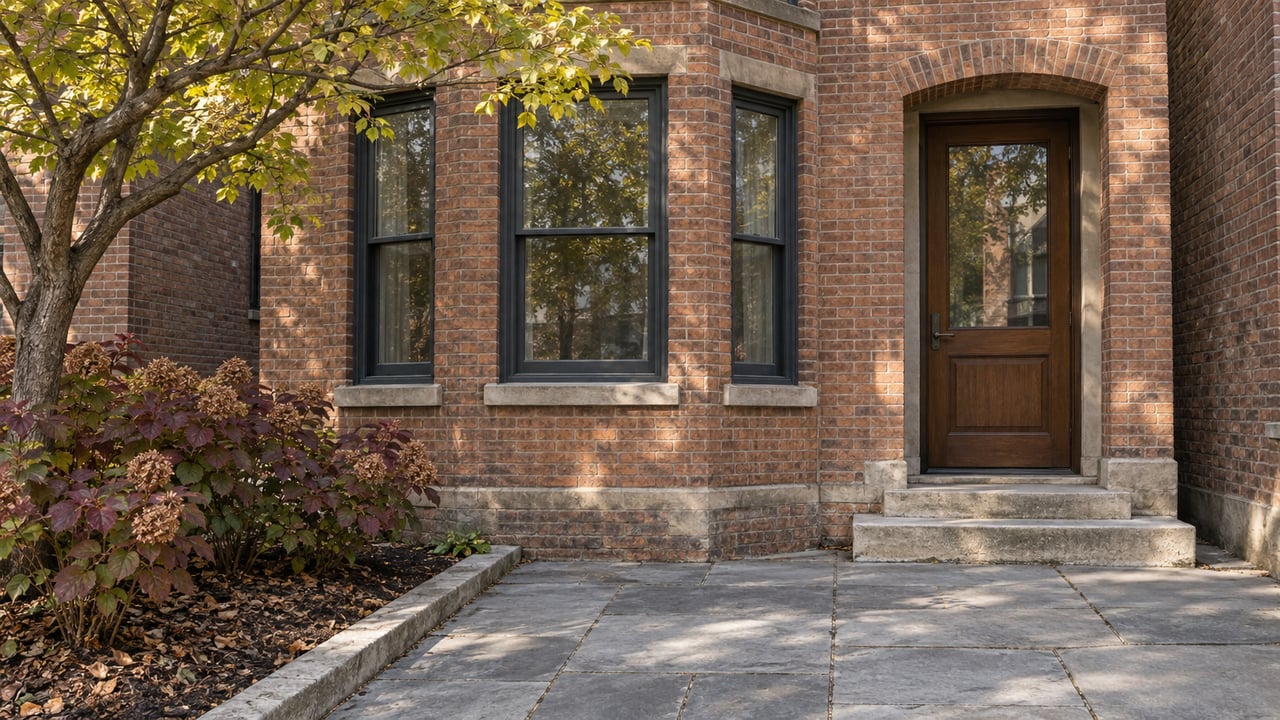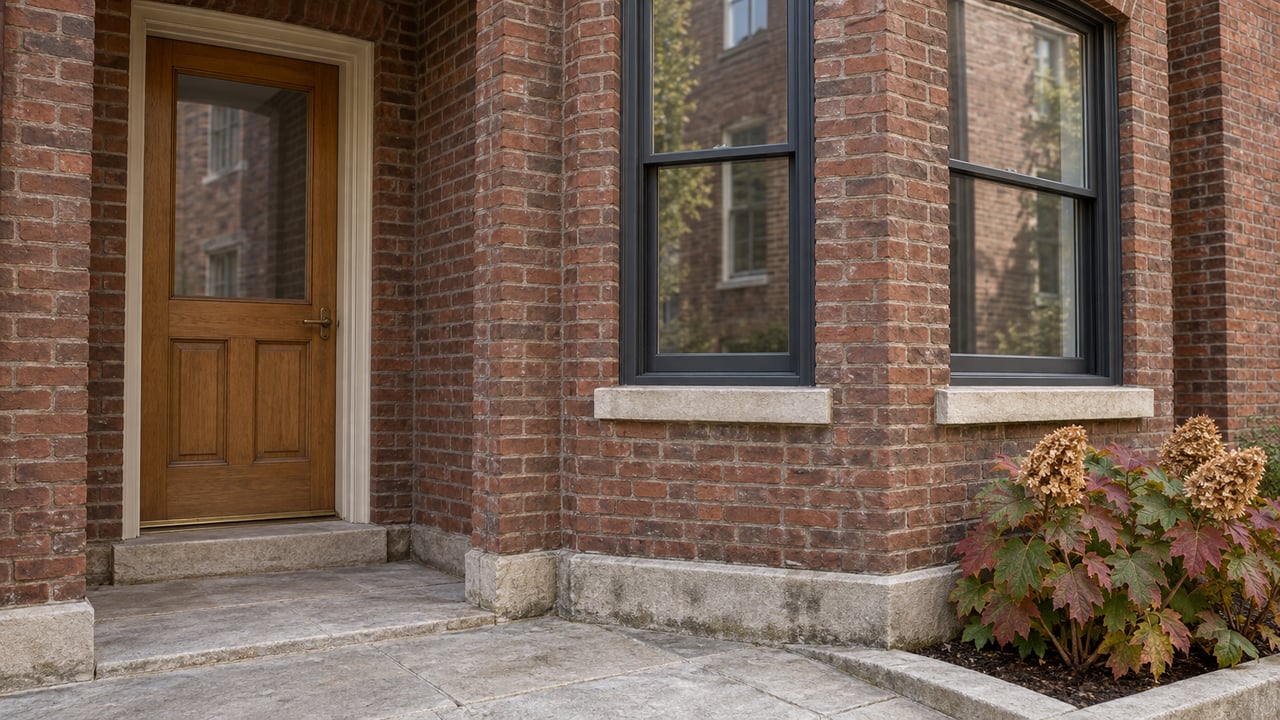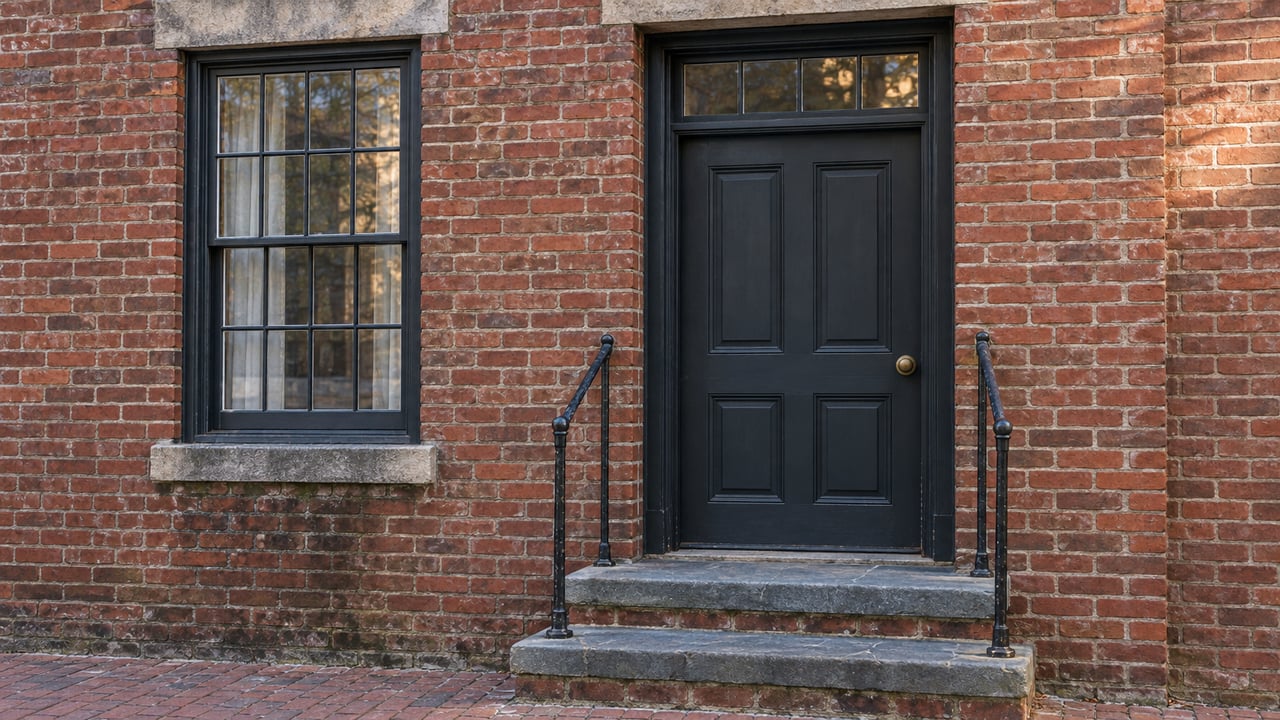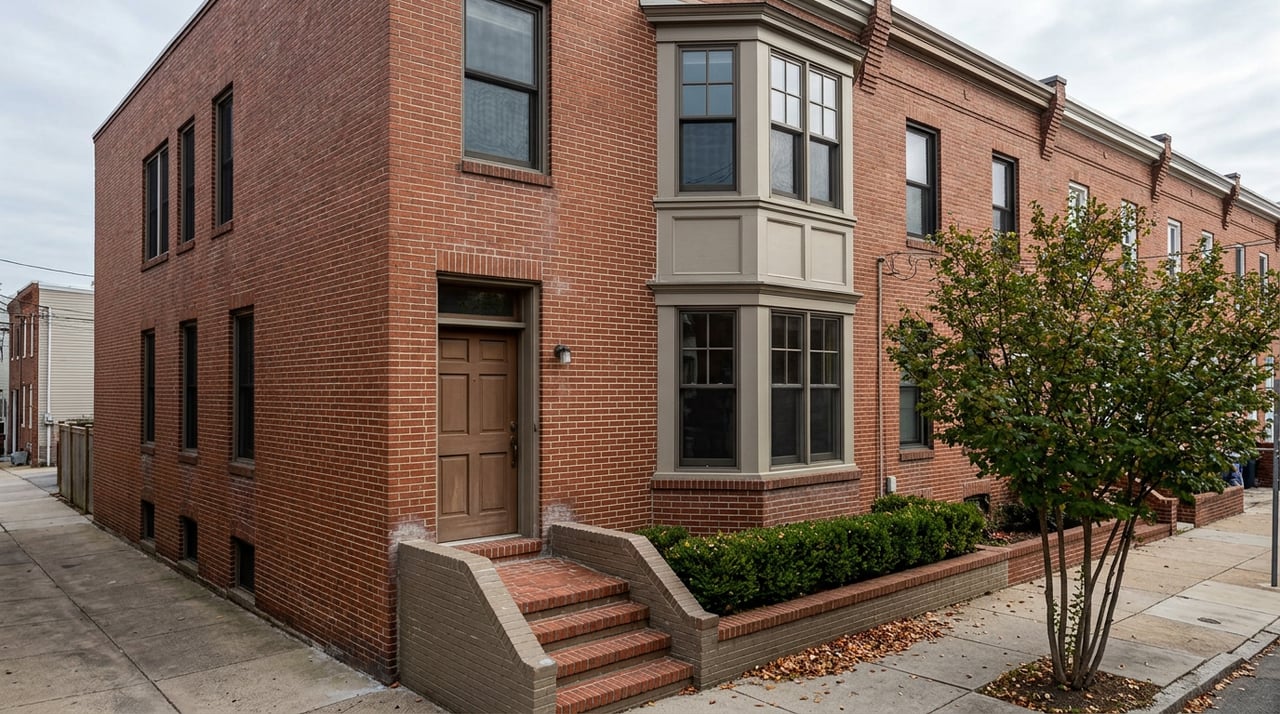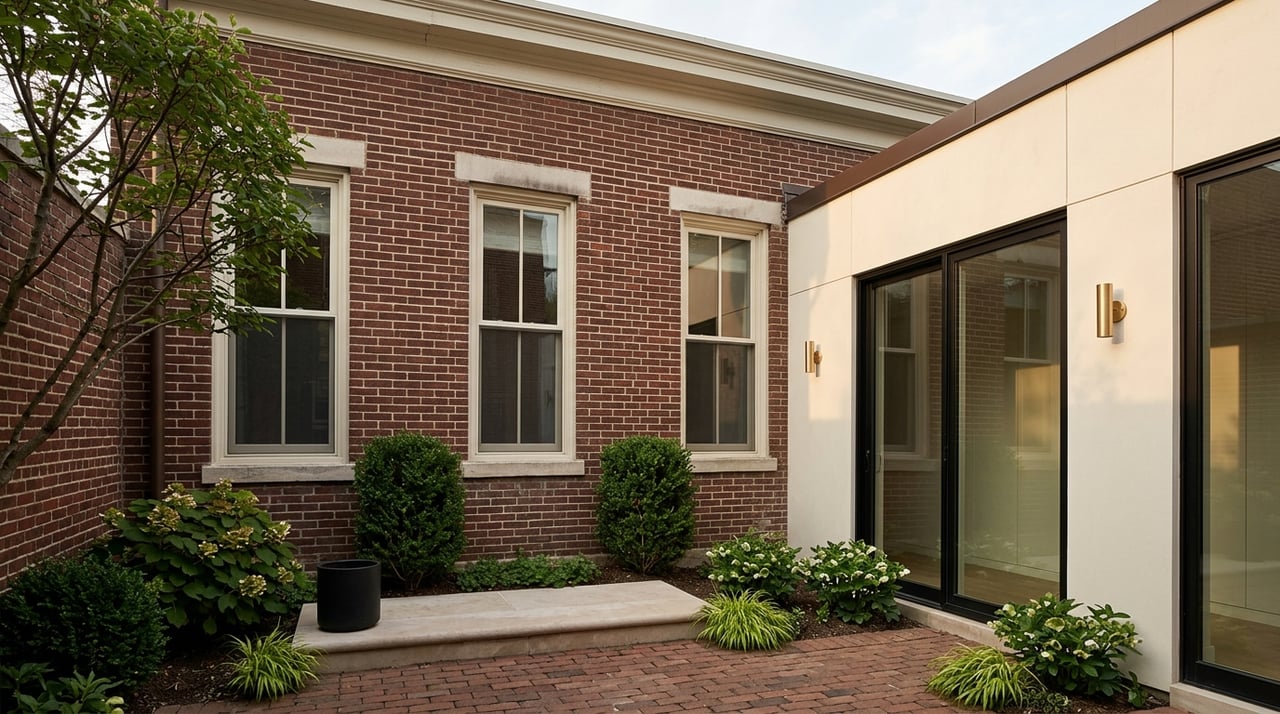
You can fall in love with a Georgetown facade in seconds, then spend weeks figuring out what that charm means for daily life. That is especially true if you are weighing a classic Federal townhouse against a more decorative Victorian rowhouse, or trying to decide whether an updated home gives you the right balance of history and function. This guide will help you understand how Georgetown’s architecture shapes layout, upkeep, renovation potential, and the buying experience so you can shop with more confidence. Let’s dive in.
Georgetown Is a Layered Historic District
Georgetown is not defined by one single architectural style. It is a historic district with layers of building history, and much of what you see today comes from the 19th and early 20th centuries rather than the earliest years of the neighborhood.
According to DC’s planning office, the Georgetown Historic District was created in 1950 and was the first historic district in Washington. It is also a National Historic Landmark. A 1993 survey counted 3,033 buildings, including 985 from 1870 to 1899 and 876 from 1900 to 1950, which helps explain why Georgetown often feels more varied than buyers expect.
That said, Georgetown still reads as visually cohesive. Residential streets are lined with brick or wood-frame rowhouses, buildings rarely exceed three stories, and many lots historically measured about 20 by 60 to 20 by 100 feet. Those dimensions shaped the neighborhood’s steady rhythm of narrow facades, side-hall plans, and compact footprints.
For you as a buyer, that usually means Georgetown homes offer proportion, character, and street presence more than wide-open floor plans. The charm is real, but so is the tradeoff.
Federal Houses in Georgetown
What Federal style looks like
Federal architecture was prominent from the 1780s to about 1840. It is known for symmetry, restrained ornament, and balanced proportions, with much of the decorative detail concentrated around the entrance.
In Georgetown, Federal homes are among the neighborhood’s most recognizable historic properties. They often present a calm, formal look from the street, which can feel timeless and polished in a way that still resonates with DC buyers today.
How Federal floor plans usually feel
Federal-era Georgetown properties often have narrower footprints and more formal room sequences. Historic rowhouse planning commonly included a side hallway running the length of the house, a front parlor, a rear dining room, and bedrooms above.
That layout can feel elegant and efficient, but it is usually less open than what many buyers expect from newer construction. If your priority is separation of spaces, a Federal home may feel intuitive. If you want a large, uninterrupted great room, you may need to adjust expectations.
What buyers should know about upkeep
Federal homes often call for a preservation-minded approach, especially when it comes to windows. Georgetown’s current window policy says windows installed before 1950 should be restored where possible, and visible replacements on public-facing elevations are generally expected to be wood, single-glazed, and true-divided-light.
In practical terms, that means maintenance decisions may lean more toward repair than replacement. If you are considering a Federal house, it helps to view original features as part of the home’s long-term stewardship, not just a design detail.
Victorian Rowhouses in Georgetown
Why Victorian homes feel different
Georgetown expanded significantly after 1870, and that growth left a strong Victorian imprint on the neighborhood. District documentation identifies Italianate, Queen Anne, and Romanesque Revival dwellings among the late-19th-century building stock.
Compared with Federal homes, Victorian rowhouses are usually more expressive. Facades, roof lines, and ornament tend to be more elaborate, and the homes often show more individuality from one property to the next.
Common Victorian features to notice
Victorian homes can include a wider range of visual details than earlier rowhouses. Depending on the subtype, you may notice features such as:
- Bay windows
- Corbelled brickwork
- Decorative brackets
- Narrow windows with trimmed surrounds
- More varied roof lines
- Asymmetrical room flow
These details are often a big part of the appeal. They can also be some of the features most closely reviewed when exterior work is proposed.
How Victorian layouts function
Even with more ornament and variety, Victorian properties still follow rowhouse logic. Historic plans commonly placed the parlor or living room at the front, the dining room behind it, the kitchen at the rear or basement level, and bedrooms upstairs.
Some Victorian homes may offer a bit more interior flexibility than earlier Federal houses. At the same time, many larger Georgetown Victorian houses were later converted into flats, and some early apartment buildings were designed to resemble rowhouses. That is useful context if you are comparing a single-family rowhouse with a multi-unit or converted property.
Is Georgetown Mostly Federal or Victorian?
This is one of the most common buyer questions, and the answer is important. Georgetown is famous for Federal architecture, but its surviving building stock is dominated by 19th- and early-20th-century buildings.
So if you are shopping in Georgetown, you are not choosing between a purely Federal neighborhood and a purely Victorian one. You are buying into a historic district where both styles matter, but where later buildings make up much of the lived streetscape.
That distinction can help you search more strategically. If you have a strong preference for symmetry and restraint, you may want to focus on known Federal pockets and carefully review the home’s layout. If you love decorative facades and more visual variety, Victorian-era blocks may be a better fit.
What Architecture Means for Daily Living
A beautiful facade is only part of the story. In Georgetown, architecture often shapes how a home lives day to day.
Expect compact proportions
Because many historic Georgetown lots were narrow, homes often prioritize vertical living over horizontal sprawl. You may find beautifully scaled rooms, but not the oversized widths or expansive open plans common in newer homes.
That can be a positive if you value definition between spaces and a stronger sense of architectural rhythm. It can be a challenge if you want every gathering area to flow together without interruption.
Expect stairs and separation
Many Georgetown rowhouses were designed with a clear sequence of spaces across multiple levels. That usually means more stairs and more separation between formal and service areas.
For some buyers, that creates a graceful, classic living pattern. For others, especially those prioritizing single-level convenience or highly open entertaining space, it may require compromise.
Expect charm with responsibility
Historic architecture comes with a stewardship component. Features like original windows, decorative masonry, roof forms, and accessory structures can add a lot of value to the ownership experience, but they also require thoughtful maintenance.
If that sounds appealing rather than intimidating, Georgetown can be a very rewarding place to buy. The key is understanding the commitment before you write the offer.
Renovation Potential in Georgetown
Interior changes are often easier
If you are asking, “Can I open up the floor plan?” the short answer is usually yes, with an important caveat. Interior changes are often more flexible than street-visible exterior changes.
The more your project affects windows, roofs, additions, or visible materials, the more likely it is to fall into Georgetown review. That makes it important to distinguish between interior reconfiguration and exterior alteration when you evaluate a property’s potential.
Exterior work follows preservation review
In Georgetown, visible exterior changes are shaped by a preservation framework. The Old Georgetown Act of 1950 requires review of construction, alteration, reconstruction, or razing of buildings for exterior features visible from a public highway.
DC planning explains that the Old Georgetown Board and Commission of Fine Arts handle most projects visible from a street or alley. Work not visible from public space is generally handled by the Historic Preservation Office and Historic Preservation Review Board.
Timelines matter
Approval timelines can affect renovation planning just as much as design choices. DC planning says major work generally takes about 30 to 60 days for Historic Preservation Review Board review, while minor work can often be cleared by the Historic Preservation Office the same day if documentation is complete.
Small additions, garages, sheds, or visibility-test cases can take up to five business days. For buyers, that means review time is part of the real ownership equation, not just a paperwork issue.
Additions, Infill, and Modern Updates
Georgetown is not a blank slate
Updated infill and major renovations are possible in Georgetown, but modern design still has to fit the district’s scale and street presence. The preservation framework shapes what can be built, how it connects to the original structure, and how visible changes are treated.
That is especially important if you are deciding between a fully historic house and a more updated property. A newer-feeling interior may be available, but the exterior is rarely freeform.
Rules that often affect buyer plans
Georgetown’s additions policy includes several points buyers should understand early:
- Additions should remain subordinate to the historic building
- Additions should not approach doubling the size of the original building
- Historic fabric should be preserved as much as possible at connection points
- Compatible materials are expected
- Rear additions should not project substantially beyond similar neighboring buildings
- Side additions that block side yards or inward views are discouraged
- Roof additions visible from the street are discouraged
- Underground additions are discouraged
- New curb cuts or expanded front-yard paving are strongly discouraged
These guidelines do not mean you cannot improve a property. They do mean that vision, design, documentation, and timing all matter.
Accessory structures matter too
Georgetown’s district documentation also recognizes alley dwellings, worker housing, stables, carriage houses, and other outbuildings as contributing resources. If you are evaluating a garage conversion, rear structure, or alley-facing improvement, that context matters.
In many Georgetown purchases, the secondary structure is not just bonus space. It may be part of the historic fabric that shapes what you can and cannot do next.
How to Compare Homes More Clearly
When you tour Georgetown properties, it helps to look beyond finishes and ask a few architecture-specific questions.
Questions worth asking
- Is the home primarily Federal, Victorian, or a later building within the historic district?
- How much of the current floor plan reflects the original rowhouse layout?
- Are visible windows original or older historic windows that may require restoration-sensitive work?
- Have prior additions or exterior changes already been reviewed?
- Are there rear structures, alley buildings, or other contributing elements on the lot?
- Does the home’s charm align with how you actually want to live every day?
These questions can help you compare homes more honestly. In Georgetown, the smartest purchase is often the one where the architecture, maintenance expectations, and renovation goals already line up.
Why This Matters for Georgetown Buyers
Buying in Georgetown is not only about square footage or finishes. It is about understanding how architecture influences livability, renovation options, timeline, and long-term care.
When you know the difference between Federal restraint, Victorian variety, and preservation-shaped updates, you can evaluate homes with a clearer eye. You can also move faster when the right property appears, because you already understand what its style may mean for your budget, priorities, and plans.
If you are considering Georgetown, a well-informed strategy can make the process feel far less overwhelming. For tailored guidance on Georgetown rowhouses, historic homes, and updated properties across DC, schedule a complimentary consultation with The Lyndsi + Matt Team.
FAQs
What architectural styles are most common in Georgetown for homebuyers?
- Georgetown includes notable Federal homes, but much of its surviving building stock dates to the 19th and early 20th centuries, including many Victorian-era rowhouses.
What do Federal homes in Georgetown usually look like inside?
- Federal homes in Georgetown often have narrower footprints, side-hall layouts, a front parlor, a rear dining room, and bedrooms on upper levels rather than a wide-open modern plan.
What should Georgetown buyers know about Victorian rowhouses?
- Victorian rowhouses in Georgetown often offer more ornament, more facade variety, and sometimes more flexible interior flow, while still functioning like traditional multi-level rowhouses.
Can homebuyers open up a floor plan in a Georgetown historic house?
- Interior changes are often more flexible than visible exterior changes, but projects involving windows, roofs, additions, or other street-visible features are more likely to require review.
Do Georgetown home renovations usually take longer?
- Renovation timelines can be longer when visible exterior work requires preservation review, documentation, and approval through Georgetown’s historic review process.
What is the biggest difference between updated infill and older historic homes in Georgetown?
- Updated infill may offer more contemporary systems or interiors, but it still needs to fit Georgetown’s scale, materials, and streetscape expectations for visible exterior design.