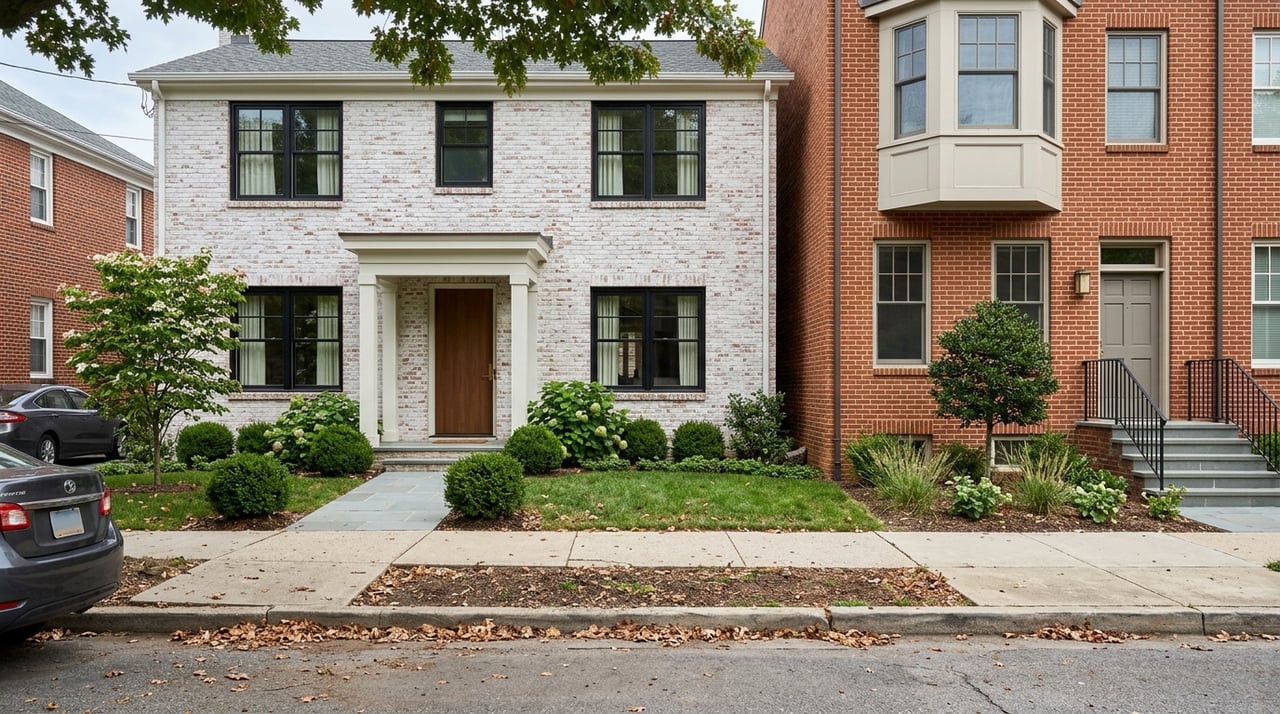
If you’re choosing between a townhome and a single-family home in Arlington, you’re not just picking a floor plan. You’re deciding how you want to live, commute, maintain your property, and stretch your budget in one of the region’s most competitive housing markets. The good news is that once you understand the real tradeoffs, the right fit becomes much clearer. Let’s dive in.
Arlington market basics
Arlington is a supply-constrained market for ownership housing, which helps explain why this decision can feel so high stakes. As of January 2024, the County estimated about 123,700 total housing units, including roughly 27,570 single-family detached homes and about 7,030 single-family attached homes such as townhomes.
That limited supply matters because attached and detached homes are both a relatively small share of Arlington’s total housing stock. The County also notes that 75% of land zoned residential is exclusively for single-family detached homes, which helps explain why certain housing types can be hard to find in the locations and price ranges buyers want most.
Arlington is also competitive at a broader market level. Redfin reports a median sale price of $815,000, homes selling in about 31 days, and roughly three offers on average.
Price differences matter fast
For many buyers, budget is the clearest starting point. Redfin’s Arlington city guide shows a sizable median price gap by property type, with townhouses around $764,944 and single-family homes around $1,374,458.
That does not mean every townhome is affordable or every detached house is out of reach. It does mean that once you move beyond condo pricing and start comparing townhomes with detached homes, your monthly costs and competition can rise quickly.
County housing research supports that point. Arlington has noted that condos make up 99% of sales below $500,000, while three-bedroom condos and other ownership options like townhomes and detached homes in that price range are becoming scarce.
What a townhome means in Arlington
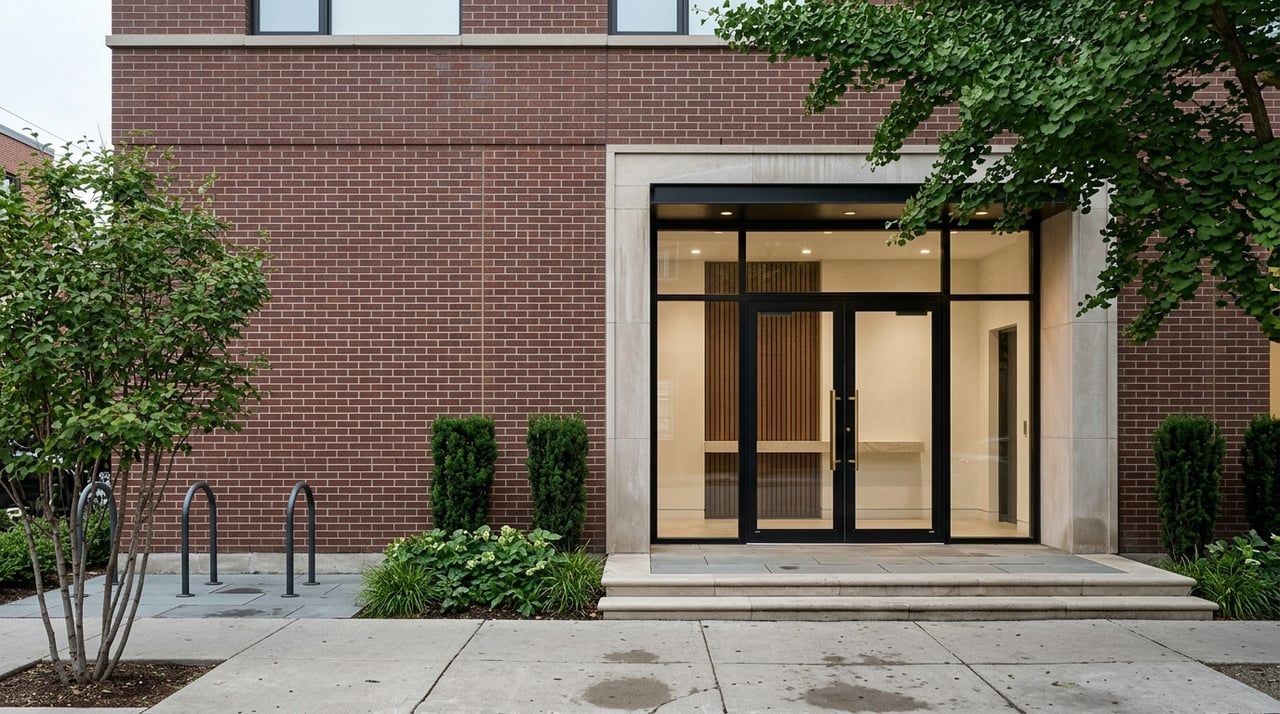
Arlington defines a townhouse as one of three or more attached similar dwelling units with common party walls and its own external entrance. In everyday terms, that usually means a more compact footprint and a more vertical layout.
A townhome often works well if you want to buy into Arlington without taking on the price point of a detached home. It can also be appealing if you prefer less yard work and want a home that may be closer to transit corridors and walkable commercial areas.
That said, townhomes are not the default housing type across Arlington. County materials describe them as house-scale homes that are interspersed throughout neighborhoods, often in clusters or mixed blocks rather than as the dominant form.
What a single-family home means in Arlington
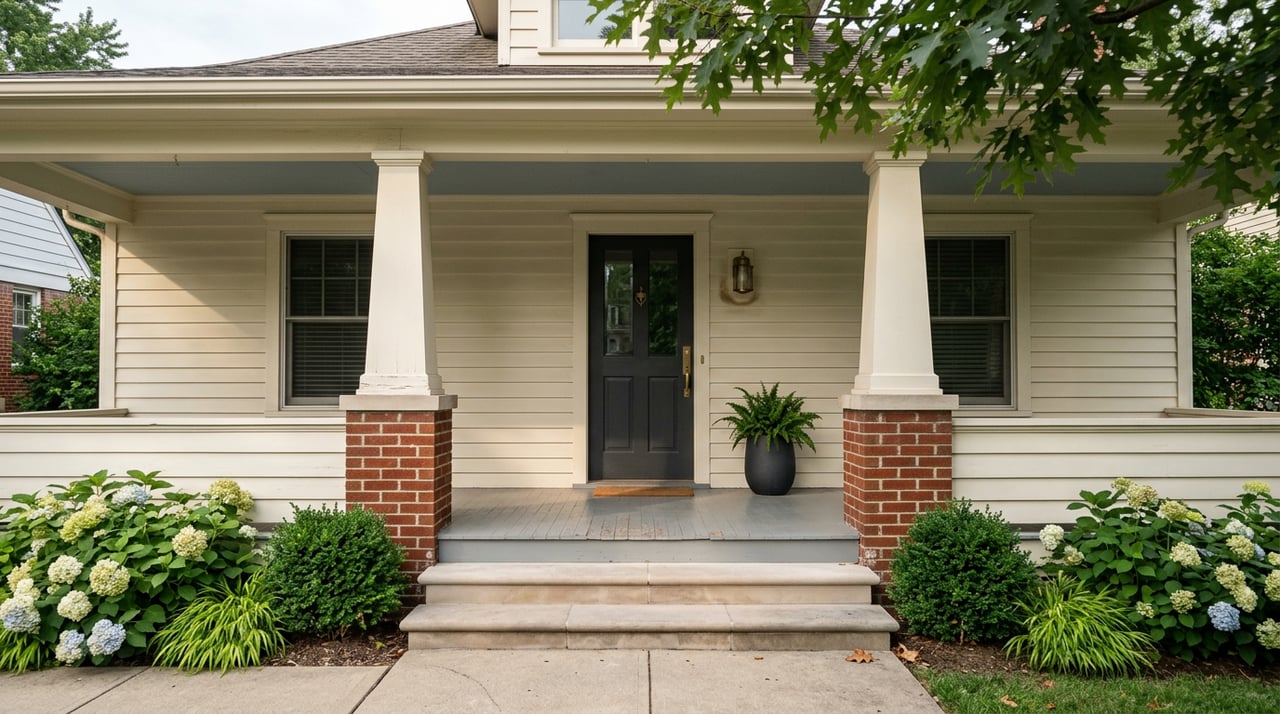
Arlington defines a one-family detached dwelling as a single dwelling unit on a lot with required yards on all four sides. That usually translates into more separation from neighbors, more outdoor space, and more flexibility for additions or future changes.
For some buyers, that extra room is the whole point. If you want a larger lot, more privacy, or more options for how you use indoor and outdoor space, a detached home may better match your long-term goals.
The tradeoff is cost. Detached homes in Arlington typically come with a much higher purchase price, and pricing can vary sharply by ZIP code.
County 2022 estimate data shows median single-detached prices ranging from about $825,000 in 22206 to about $1,625,000 in 22209, with areas like 22204, 22203, and 22205 landing somewhere in between. That range is a good reminder that in Arlington, location can change the detached-home experience as much as the property type itself.
Space and layout tradeoffs
One of the biggest differences between these property types is how the square footage lives day to day. A townhome often gives you multiple levels, which can create useful separation between living, sleeping, and work spaces.
That vertical layout can be a great fit if you like distinct zones or want a more efficient footprint. But if you prefer most of your living on fewer levels, or you want broader outdoor space directly tied to the home, a detached property may feel more natural.
Detached homes also tend to offer more yard area and more breathing room around the structure. In practice, that can create a different sense of privacy and flexibility, especially if outdoor use is high on your list.
Maintenance and carrying costs
Purchase price is only one part of the math. In Arlington, the better comparison is your full carrying cost, including mortgage, taxes, stormwater charges, insurance, and regular upkeep.
Arlington assesses real property annually at 100% of fair market value. The County Board adopted a calendar year 2026 real estate tax rate of $1.053 per $100 of assessed value.
Because detached homes usually cost more, they often carry higher tax bills as well. That may sound obvious, but it becomes very important when you are comparing what feels manageable month to month.
Stormwater fees are another detail worth knowing. Arlington classifies townhomes and duplexes as single-family attached and charges them 0.6 equivalent residential units, while detached homes are tiered based on impervious area at 0.6, 1.0, 1.7, or a cap depending on lot size and hard-surface coverage.
Maintenance can differ too. Since a detached home sits on its own lot with yards on all four sides, owners usually take on more exterior and yard responsibility.
A townhome often means less land to maintain, though you still need to confirm the specific upkeep obligations for any property through its association documents or deed restrictions. Two townhomes in Arlington can look similar online and come with very different ownership responsibilities.
Commute and convenience in Arlington
Arlington’s transportation network can strongly shape this decision. The County reports that 41% of residents drive alone, 27% work from home, 19% use public transit, 5% carpool, 5% walk, and 3% use other modes.
The County also reports 11 Metrorail stations, 16 ART bus routes, 52 miles of multi-use trails, 124 miles of bicycle facilities, and 110 Capital Bikeshare stations. Census QuickFacts puts the mean travel time to work at 26.6 minutes.
That multimodal setup is one reason townhomes often attract buyers who prioritize convenience and access. Arlington’s planning corridors, including Rosslyn-Ballston, Richmond Highway, and Columbia Pike, are built around major transportation routes, and townhome demand often tracks those locations.
Ballston is one clear example. The County describes it as a major transportation hub at the western end of the Rosslyn-Ballston corridor, and it has highlighted townhouse development there within walking distance of Metro.
If your daily routine depends on transit, a shorter commute, or easy access to shops and services, a townhome in the right corridor may check more boxes than a detached home farther from those patterns. If you work from home more often or prioritize lot size over location efficiency, a detached home may feel worth the trade.
Which option fits your goals?
There is no universal winner in Arlington. The better choice depends on how you rank price, privacy, upkeep, commute, and future flexibility.
A townhome may fit if you want
- A lower purchase price than most detached homes
- Less exterior upkeep and less yard maintenance
- Better odds of being near Metro, ART, or major corridors
- A more compact, vertical layout that uses space efficiently
A single-family home may fit if you want
- More privacy from neighboring homes
- More yard space and outdoor flexibility
- More room to grow or adapt the property over time
- A layout and lot size that may feel more traditional
Why the best answer is address-specific
In Arlington, broad rules only get you so far. The most useful comparison is usually not townhome versus detached in the abstract, but one specific address versus another.
Commute time, parking, carrying costs, and the feel of the block can shift quickly from one area to the next. That is especially true in a market where housing types are limited, pricing varies widely, and transportation access can change your daily routine in a meaningful way.
A smart way to decide is to compare two or three real options side by side. Look at purchase price, monthly ownership cost, transit access, outdoor space, and maintenance responsibility together rather than focusing on just one factor.
A practical way to choose
If you feel torn, start with the part of your life you are least willing to compromise.
If that is budget, a townhome may give you a stronger entry point into Arlington ownership. If it is privacy and outdoor space, a detached home may be the better long-term fit.
If commute and convenience shape your weekly routine, focus closely on homes near Arlington’s major corridors and transit hubs. If your priority is space and flexibility, compare detached options by ZIP code and carrying cost, not just list price.
The right choice is the one that supports how you actually live, not just what looks best on paper. When you weigh price, location, layout, and ongoing costs together, the path usually becomes much easier to see.
If you want help comparing Arlington townhomes and single-family homes with a clear, concierge-style approach, The Lyndsi + Matt Team can help you evaluate the tradeoffs and narrow in on the right fit.
FAQs
What is the price difference between a townhome and a single-family home in Arlington?
- Redfin reports a median townhouse price around $764,944 compared with about $1,374,458 for single-family homes in Arlington, though actual pricing varies by location and property.
Are townhomes in Arlington easier to maintain than detached homes?
- Often, yes. Townhomes usually come with less land to maintain, while detached homes typically involve more yard and exterior upkeep because they sit on their own lots.
Do single-family homes in Arlington have higher property taxes?
- Usually, yes, because Arlington real estate taxes are based on assessed value and detached homes often have higher prices and assessments than townhomes.
Are townhomes in Arlington more likely to be near transit?
- In many cases, yes. Townhome demand often tracks transit-oriented areas and major planning corridors such as Rosslyn-Ballston, Richmond Highway, and Columbia Pike.
How should you choose between a townhome and a detached home in Arlington?
- Compare specific properties based on purchase price, monthly carrying costs, commute access, outdoor space, and maintenance needs rather than assuming one property type is always better.