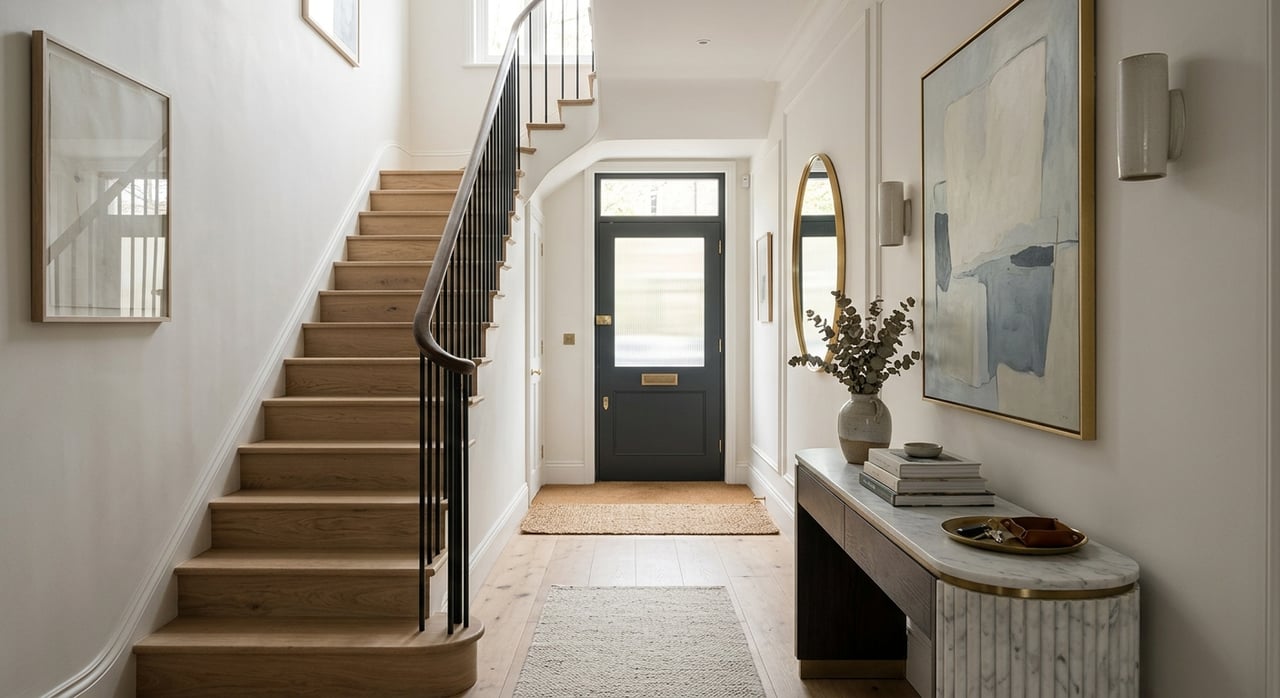
Wondering how to make a Georgetown home feel irresistible to luxury buyers without stripping away the very character that makes it special? If you are preparing to sell in one of Washington’s most historic and closely watched neighborhoods, the goal is not a flashy overhaul. It is thoughtful preparation, clean documentation, and a polished presentation that helps buyers see both the home’s beauty and its care. Let’s dive in.
Georgetown Luxury Buyers Expect Clarity
Georgetown sits firmly in Washington’s premium housing market. Recent public market snapshots place average and median values roughly in the $1.5 million to $1.85 million range, depending on the source and whether the number reflects home values, sale prices, or listing prices.
For you as a seller, that price range matters because it shapes buyer expectations. Luxury buyers in Georgetown are often looking for a home that feels move-in ready, presents beautifully, and comes with a clear story about what has been updated, preserved, and properly approved.
In other words, preparation is part of the value. When your home shows well and your records are organized, buyers have an easier time justifying a premium offer.
Start With Georgetown’s Historic Rules
Before you schedule contractors or make exterior changes, pause and confirm what Georgetown’s preservation rules allow. Georgetown is a National Historic Landmark district, and many exterior projects are reviewed under the Old Georgetown Act by the Commission of Fine Arts and the Old Georgetown Board.
Exterior work not visible from public space is generally reviewed by the Historic Preservation Review Board and the Historic Preservation Office. Routine maintenance, painting and color selection in most cases, interior alterations, and non-structural demolition are generally exempt.
That said, sellers should not assume that a facade, roof, window, porch, fence, or addition project can begin quickly. The safest path is to confirm whether the work is exempt, qualifies for administrative approval, or requires formal review before work starts.
What Is Often Exempt
Some common seller questions have fairly clear answers:
- Painting: Usually exempt, except for painting unpainted masonry on historic landmarks
- Interior alterations: Generally exempt
- Non-structural interior demolition: Generally exempt
What Deserves Extra Caution
If a project is visible from the street, it generally requires closer review in Georgetown. That can affect timelines, budgets, and even whether a pre-listing improvement is worth doing at all.
For larger or less routine work, early consultation is the recommended first step. Permit filings typically require photographs, plans, specifications, and a narrative describing the proposed work.
Focus on Polish, Not Reinvention
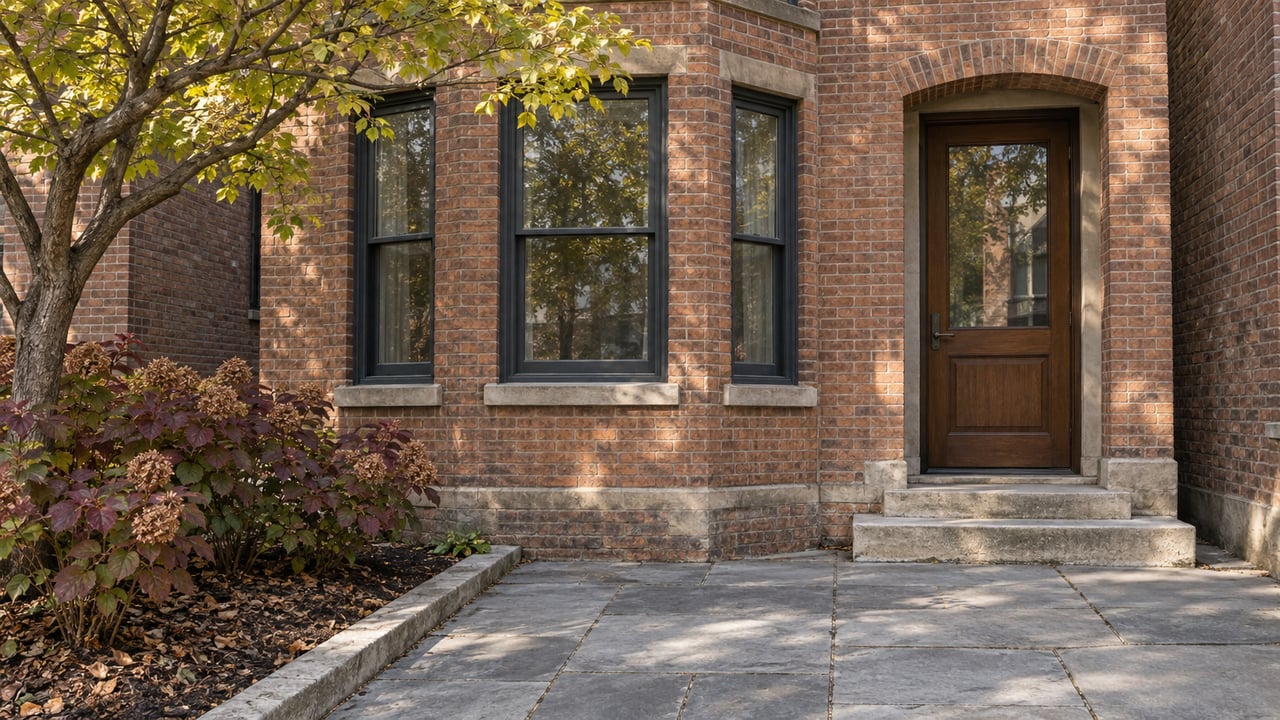
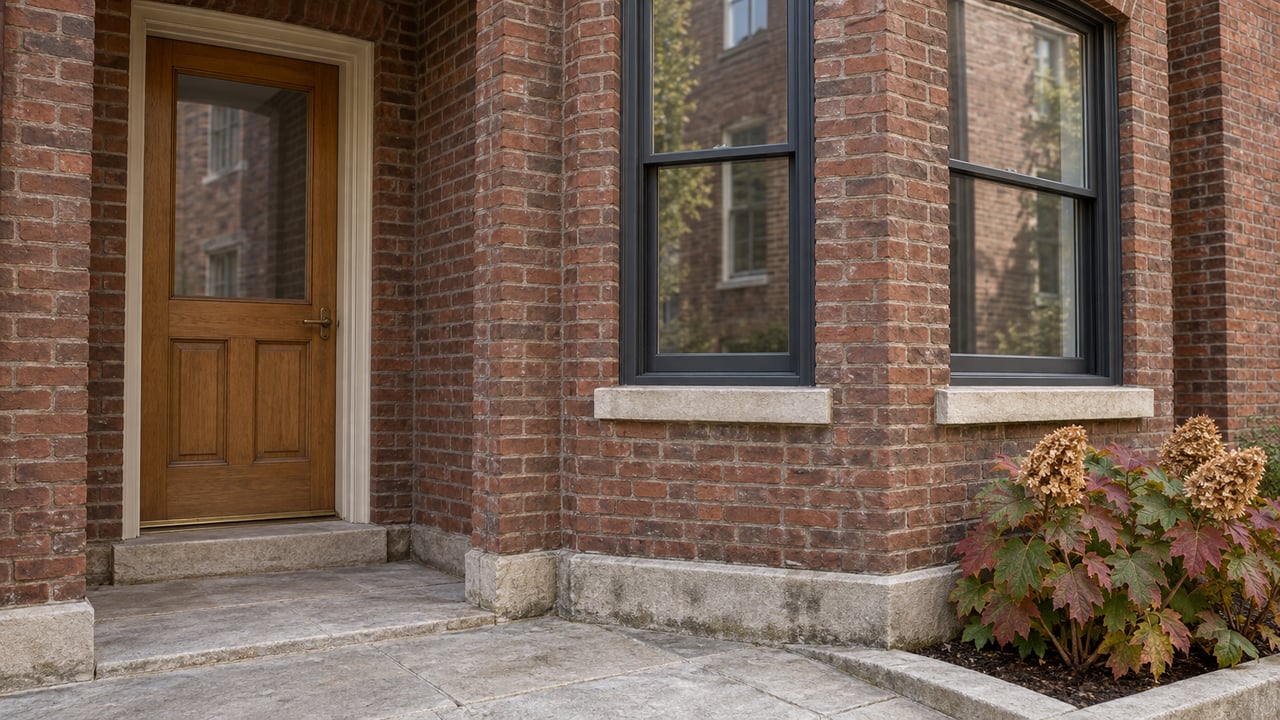
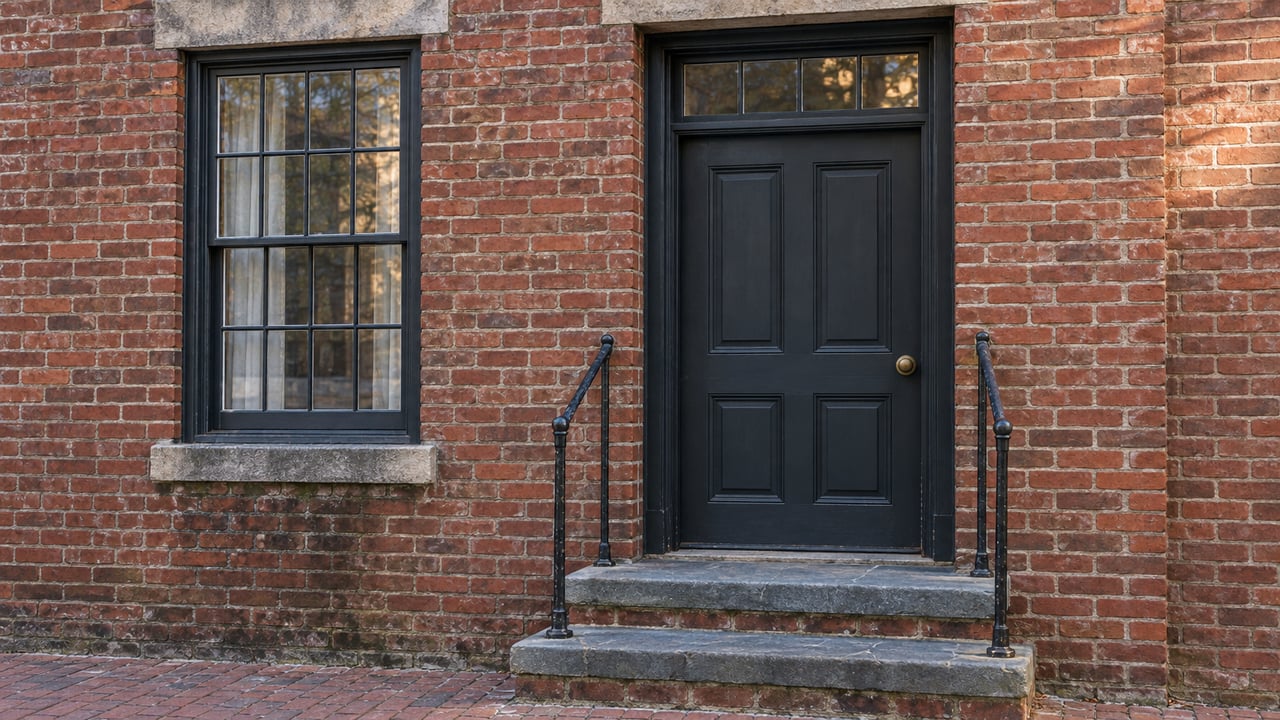
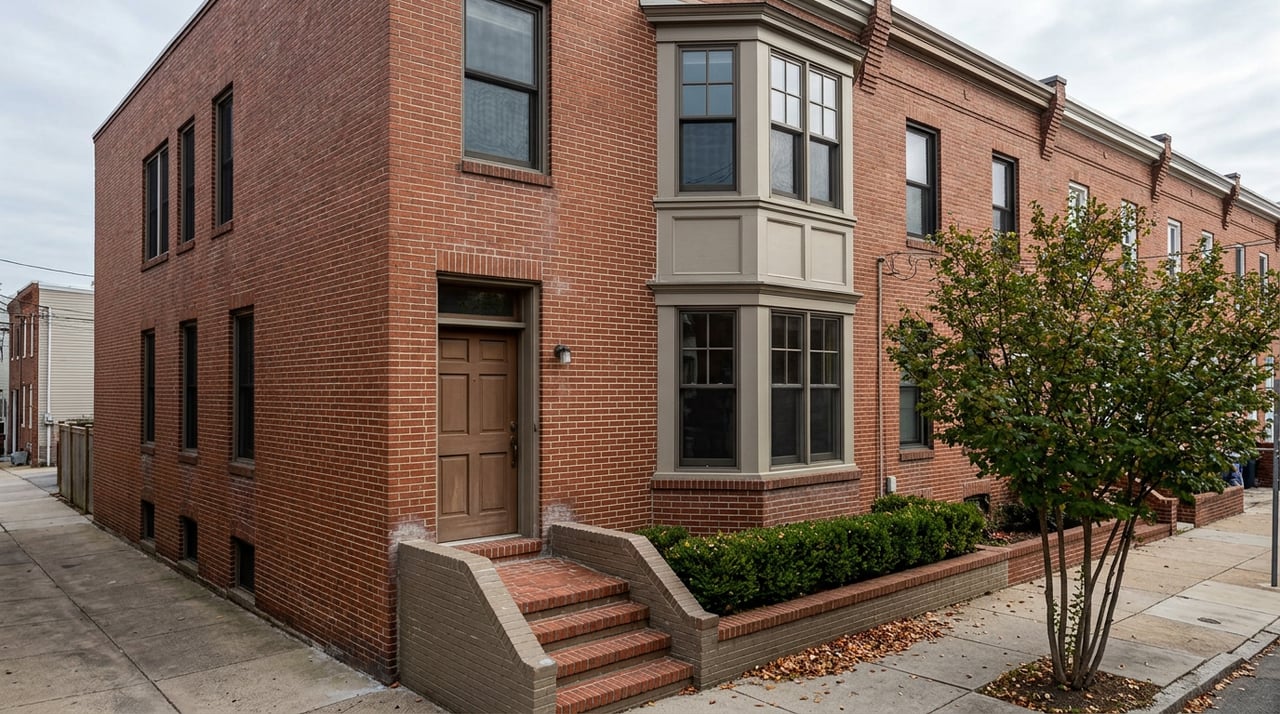
In Georgetown, luxury preparation usually works best when it protects the home’s historic character instead of trying to erase it. Buyers are often drawn to original details, scale, materials, and the sense of place that a Georgetown rowhouse or historic residence offers.
That is why the smartest pre-listing work is often reversible and presentation-led. Think decluttering, better lighting, small repairs, simplified decor, and a consistent feeling of care throughout the home.
Over-modernizing can dilute what makes the property memorable. A cleaner strategy is to refine the experience of the home so buyers notice the architecture first, not distractions.
Improvements Worth Prioritizing
Consider focusing on updates that help the home feel well maintained and easy to understand:
- Declutter shelves, surfaces, and storage areas
- Remove overly personal or visually busy decor
- Improve lighting in darker rooms and hallways
- Repair small defects such as dripping faucets
- Address squeaks, creaks, and obvious maintenance issues
- Reduce odors and distracting noise sources
- Deep clean every room and finish
Even minor issues can add to a buyer’s mental checklist of future repairs. In a premium market, fewer question marks usually creates more confidence.
Stage the Rooms That Matter Most
Staging matters because it helps buyers picture themselves living in the home. According to the National Association of Realtors’ 2025 Profile of Home Staging, 83% of buyers’ agents said staging made it easier for buyers to visualize a property as their future home.
The same report found that the rooms buyers’ agents considered most important to stage were the living room, the primary bedroom, and the kitchen. For Georgetown sellers, those spaces often carry the emotional weight of the showing.
Priority Rooms for Georgetown Homes
If you are deciding where to spend time and money first, start here:
- Living room for first impressions and flow
- Primary bedroom for comfort and retreat
- Kitchen for function and finish quality
In many Georgetown homes, these areas also help buyers understand how historic character and modern living fit together. A well-staged room can make scale, light, and layout feel more intuitive.
Presentation Beyond Staging
Luxury buyers usually encounter your home online before they ever step inside. That makes visual marketing part of your preparation, not an afterthought.
NAR’s staging findings show that buyers’ agents place high importance on photos, physical staging, videos, and virtual tours. If your home is polished but the visuals fall flat, you may lose momentum before a showing is even booked.
What Buyers Notice First
The most effective presentation usually includes:
- Clean, professionally styled photography
- Bright, balanced lighting throughout the home
- A cohesive visual story from room to room
- Clear circulation paths that make layouts easier to read
- Show-ready surfaces, floors, and windows
For architecturally significant homes, this matters even more. Good presentation helps buyers appreciate craftsmanship and proportion, while poor presentation can make even a remarkable home feel uncertain.
Build a Strong Pre-Listing Document Packet
In Georgetown, paperwork can be a selling advantage. Older homes often come with questions about permits, preservation approvals, repairs, and past work, so a well-organized file can reduce friction during due diligence.
A strong pre-listing packet should help buyers and their agents verify what has been done, what was permitted, and what may still need attention. That kind of clarity supports confidence and can keep a transaction moving.
Documents to Gather Early
Start assembling these items well before you plan to list:
- DC tax certificate
- Deed and public-record copies
- Prior permits
- Preservation approvals
- Surveys or as-builts
- Warranties
- Service records
- A short summary of major updates
DC’s tax certificate can show whether taxes are in arrears and may include unpaid water and sewer charges, BID taxes, vault rents, and special assessments. For buyers evaluating a luxury purchase, transparency like this helps remove surprises.
Address Lead Disclosure Early
If your Georgetown home was built before 1978, lead rules should be part of your preparation from the start. DC says that any paint in or on a pre-1978 residential property is presumed to be lead-based paint, and anyone disturbing paint must use lead-safe work practices.
Before a purchaser is obligated under contract, sellers must provide the required lead disclosures. The DC sales lead form is for sales only, and the seller disclosure statement also covers lead plumbing and water system information.
If lead hazards are being addressed, only DOEE-certified personnel may perform abatement, and a lead abatement permit must be secured before abatement begins. Handling this early can help you avoid delays later in the transaction.
Use a Smart 6 to 18 Month Timeline
The best Georgetown listings are rarely rushed. A practical timeline often begins 6 to 18 months before listing, especially if you are considering preservation review, exterior work, or more involved preparation.
This longer runway gives you time to make better decisions. It also helps you avoid last-minute work that may not add value.
Phase 1: Early Planning
Start with the foundational work:
- Preservation consultation if needed
- Condition audit
- Document gathering
- Early review of possible repairs or approvals
This stage is where you separate quick wins from projects that may create more hassle than return.
Phase 2: Approved Work and Refinement
Once you understand what is allowed and worthwhile, complete any approved work. Keep your focus on condition, consistency, and presentation rather than dramatic redesign.
This is also the time to organize maintenance records and prepare your update summary. Buyers tend to respond well when a home feels carefully managed, not hurriedly patched together.
Phase 3: Final Launch Preparation
In the final weeks before listing, shift to polish:
- Deep cleaning
- Staging
- Photography
- Final touch-ups
- Show-ready styling
At this point, reinvention is usually the wrong move. Georgetown buyers are paying for history, location, and quality, and your job is to make those strengths easy to see.
Why This Approach Works in Georgetown
Georgetown is not a market where generic advice always fits. Historic review, older housing stock, and high buyer expectations mean your preparation needs to be strategic.
The strongest results often come from a simple formula: preserve the character, improve the presentation, and organize the paperwork. When you do those three things well, your home can feel both distinguished and easy to buy.
If you are thinking about selling a Georgetown home, the right plan starts well before the listing goes live. For tailored guidance on timing, presentation, and positioning, schedule a complimentary consultation with The Lyndsi + Matt Team.
FAQs
What do luxury buyers expect from a Georgetown home listing?
- Luxury buyers in Georgetown typically expect polished presentation, clear documentation, and a home that feels move-in ready while still preserving its historic character.
Do Georgetown sellers need approval for exterior work before listing?
- In many cases, yes. Exterior work in Georgetown may require review depending on visibility, scope, and location, so you should confirm whether a project is exempt, eligible for administrative approval, or subject to formal review before starting.
Can you paint a historic Georgetown home before selling?
- Usually yes, since painting and color selection are generally exempt, except for painting unpainted masonry on historic landmarks.
What rooms should sellers stage in a Georgetown luxury home?
- The top priority rooms are usually the living room, primary bedroom, and kitchen because buyers’ agents report these spaces are the most important to stage.
What documents should sellers gather before listing a Georgetown home?
- A strong pre-listing packet often includes the DC tax certificate, deed and public-record copies, prior permits, preservation approvals, surveys or as-builts, warranties, service records, and a summary of major updates.
Do pre-1978 Georgetown homes need lead disclosures when sold?
- Yes. DC requires sellers to provide lead disclosures before a purchaser is obligated under contract, and any work that disturbs paint must follow lead-safe rules.