Thinking about a move that gives you less upkeep without giving up the parts of city life you love? Downsizing to Chevy Chase DC can be a smart next chapter if you want an established Northwest DC neighborhood, everyday convenience, and a range of home types that may better fit how you live now. The key is knowing what to look for before you buy, from layout and storage to transit access and future neighborhood planning. Let’s dive in.
Why Chevy Chase DC Appeals to Downsizers
Chevy Chase DC offers something many downsizers want: a neighborhood that already feels established. According to the DC Office of Planning, the area follows a village-style pattern with a commercial core along Connecticut Avenue, denser apartment and townhouse areas nearby, and single-family homes farther out.
That structure matters because it gives you options. You can stay close to shops and services on the corridor, or choose a quieter side street setting depending on your priorities. For many buyers, that balance is a major part of the appeal.
Another point in Chevy Chase DC’s favor is that change here has historically been gradual. The Small Area Plan notes that the neighborhood had seen no major development for more than five decades, which suggests that future change is more likely to be incremental than dramatic.
Know the Main Housing Choices
If you are downsizing, the first big decision is often not just where you want to live, but how you want to live. In Chevy Chase DC, that usually means comparing lower-maintenance condo or apartment living with house-style homes that may offer more space but also more upkeep.
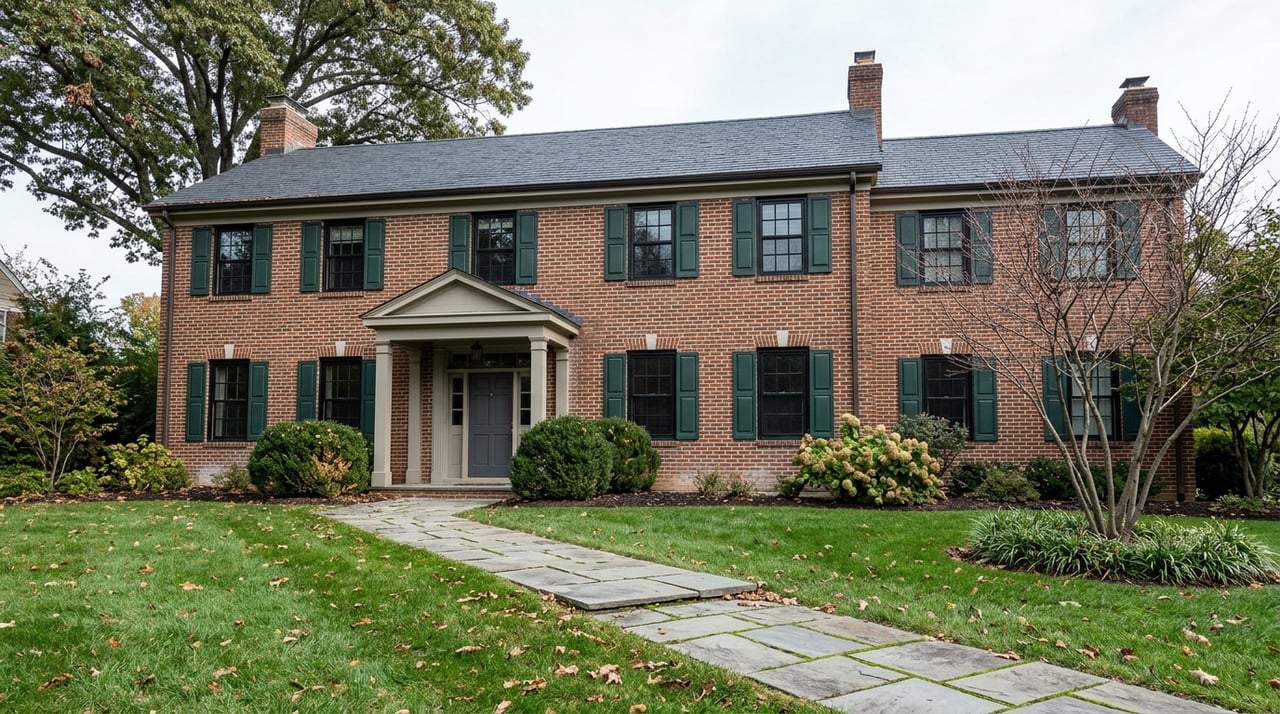
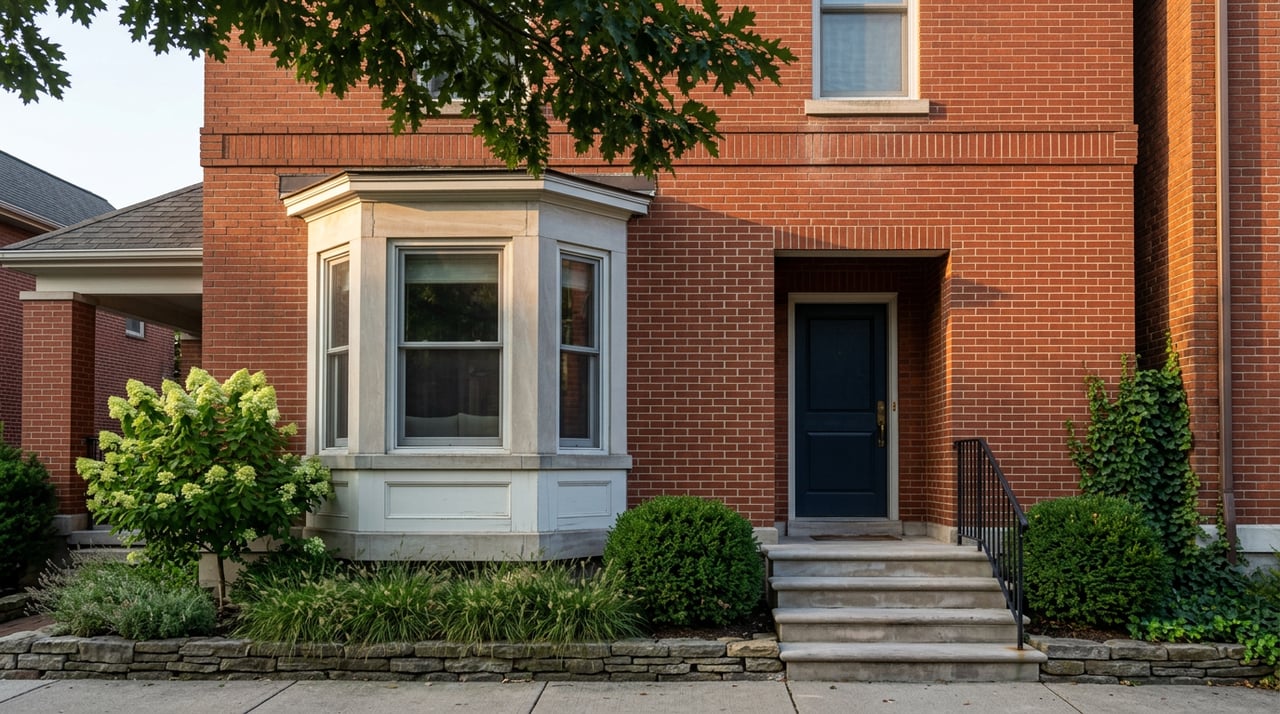
The Office of Planning describes the side streets as low-density residential areas with detached and semi-detached homes. Along Connecticut Avenue, especially south of Livingston Street, the housing mix includes apartments and condominium homes at a medium density.
That means Chevy Chase DC is not only a neighborhood of houses. It offers a meaningful mix of property types, which can help if you are trying to right-size without leaving the area entirely.
Condos and Apartments
For many downsizers, condos and apartments are the most natural fit. A smaller footprint, shared building maintenance, and easier lock-and-leave living can be appealing if you want less day-to-day responsibility.
In Chevy Chase DC, condo-style living may also put you closer to the corridor’s retail and services. That can make errands, dining, and appointments easier to manage without always needing a car.
If you are considering a condo or HOA property, be sure to look closely at monthly dues. Those fees can be a significant part of your ownership costs, so they should be built into your budget from the start.
Rowhouses and Compact House-Style Options
Some downsizers still want a private entrance, a bit more separation, or extra flex space for guests or work. In that case, a smaller rowhouse, semi-detached home, or detached home with a manageable layout may be worth exploring.
The tradeoff is usually maintenance. With a house-style property, you may have more exterior responsibilities, more stairs, or more storage to manage, even if the home itself is smaller than what you are leaving.
Prioritize Layout Over Square Footage
A common downsizing mistake is focusing too much on total size and not enough on how the home functions every day. In Chevy Chase DC, the better question is often whether the layout supports the lifestyle you want now and in the years ahead.
The most downsizer-friendly floor plans are often one-level units, elevator-access homes, compact homes with minimal stairs, or detached houses with a main-level bedroom and bathroom. The goal is not simply less space. It is easier living.
When you tour homes, pay attention to features like:
- Entry steps and thresholds
- Elevator access, if applicable
- Bedroom and bathroom placement
- Width of halls and doorways
- Laundry location
- Kitchen workflow
- Outdoor maintenance needs
A home that looks perfect online can feel very different once you imagine carrying groceries, hosting visitors, or moving through the space every day. Practical function should lead the decision.
Check Accessibility and Safety Early
If your move is partly about simplifying life, accessibility deserves a close look from day one. The CDC notes that falls are a leading cause of injury for adults age 65 and older, so small design details can have a real impact on daily comfort and safety.
Features worth prioritizing include better lighting, railings on both sides of stairs, reduced trip hazards, grab bars in bathrooms, and at least one zero-step exterior doorway. Even if you do not need every feature today, it is wise to consider how easily a home could adapt later.
This is especially important in Chevy Chase DC because the neighborhood includes older houses and corridor buildings of varying ages. During your search and inspection process, it is smart to pay extra attention to stairs, bathrooms, thresholds, and utility access.
Storage Matters More Than Most Buyers Expect
When you downsize, storage tends to become one of the biggest make-or-break issues. A home can feel beautifully edited at first glance, but if closets are tight or there is nowhere for seasonal items, luggage, and household basics, daily life can get frustrating fast.
AARP’s HomeFit guidance is a useful lens here. In practical terms, buyers in Chevy Chase DC should evaluate closet space, pantry storage, linen storage, and any bonus storage such as a basement area, garage space, or a dedicated storage cage in a condo building.
You may also want to ask about:
- Package handling
- Guest parking
- Pet rules
- Bike storage
- Trash and recycling access
- Building move-in policies
These details can shape how easy the home feels after move-in. They are not glamorous, but they matter.
Consider Walkability on Connecticut Avenue
For many people, downsizing is not only about a smaller home. It is also about making daily life easier. In Chevy Chase DC, that often points back to the Connecticut Avenue corridor.
The Office of Planning describes the corridor as a thriving retail main street with neighborhood-serving shops and services. Chevy Chase Main Street is also part of the DC Main Streets program, reinforcing the corridor’s role as the neighborhood’s walkable commercial spine.
If you want to be able to step out for errands, coffee, or day-to-day needs, location within the neighborhood matters. A home near the corridor may offer a more convenient routine than one that requires more driving for basic tasks.
The area also includes civic anchors such as the Chevy Chase Library and Community Center. For many buyers, having these kinds of nearby destinations adds to the appeal of a more manageable, connected lifestyle.
Think Through Transit and Car Dependence
If part of your goal is driving less, Chevy Chase DC deserves a serious look. The neighborhood is bus-forward along Connecticut Avenue, which can be especially helpful if you want straightforward access down the corridor.
WMATA’s D70 route runs entirely on Connecticut Avenue NW between Chevy Chase Loop and Farragut Square. It serves several points along the way, including Van Ness-UDC, Cleveland Park, Woodley Park-Zoo/Adams Morgan, and Dupont Circle.
For rail access, Tenleytown-AU provides a Red Line option on Wisconsin Avenue near Albemarle Street. Depending on your exact location and daily routine, that combination of bus service and nearby Metro access may reduce how often you need to rely on a car.
Understand What Future Planning Could Mean
Chevy Chase DC is established, but it is not frozen in time. The Chevy Chase Small Area Plan, approved in 2022, guides more housing, retail, and community amenities along upper Connecticut Avenue NW.
The approved zoning work for the corridor supports that direction. Planning documents describe Connecticut Avenue between Western Avenue and Livingston Street as an active, pedestrian-oriented commercial corridor, with future housing growth and redevelopment at the Civic Site that currently includes the library and community center parcel.
For downsizers, the takeaway is practical. You are buying into a neighborhood that is already mature and recognizable, while still positioned for measured additions to housing and civic amenities over time.
That can be appealing if you want stability with some future upside in convenience. It also means you should pay attention to where a property sits in relation to the corridor and any areas planned for change.
A Simple Downsizing Checklist for Chevy Chase DC
Before you make a move, try evaluating each property against the same core questions:
- Is the layout easy to live in every day?
- How many stairs are involved inside and at the entry?
- Is there elevator access if the home is in a larger building?
- Does the home have enough storage for what you will actually keep?
- What are the monthly condo or HOA costs?
- How close are shops, services, and transit?
- Will the home still work well for you in five to ten years?
- How much exterior or building-related maintenance will fall on you?
A downsizing move works best when it supports your next stage of life, not just your current square-footage goal. In Chevy Chase DC, the right fit is often the home that feels easiest to live in, not the one with the longest list of features.
If you are weighing a move to Chevy Chase DC, the right guidance can help you compare layouts, building types, and location tradeoffs with much more clarity. For a concierge-level approach to your next move, schedule a complimentary consultation with The Lyndsi + Matt Team.
FAQs
Is Chevy Chase DC mostly single-family homes?
- No. Chevy Chase DC includes detached and semi-detached homes on side streets, along with apartment and condominium housing along Connecticut Avenue.
Can you downsize in Chevy Chase DC without giving up walkability?
- Often, yes. The Connecticut Avenue corridor serves as the neighborhood’s main walkable spine for shops, services, dining, and civic destinations.
What home features matter most when downsizing in Chevy Chase DC?
- Focus on layout, fewer stairs, easier entry, storage, lighting, bathroom function, and whether the home can support aging in place if your needs change.
Is transit practical for downsizers living in Chevy Chase DC?
- It can be. The D70 bus runs along Connecticut Avenue, and Tenleytown-AU offers nearby Red Line access.
What should you ask about in a Chevy Chase DC condo building?
- Ask about monthly dues, elevator access, storage, package handling, guest parking, pet rules, and move-in procedures.
How much future change is planned for Chevy Chase DC?
- Planning documents point to gradual change along upper Connecticut Avenue, including housing, retail, and community amenity growth rather than wholesale neighborhood transformation.