If you want to live in the middle of Washington, DC without giving up character, transit access, or resale appeal, Logan Circle is hard to ignore. But buying a condo here takes more than falling for a pretty facade or a stylish lobby. You need to understand pricing, building quality, HOA risk, and how this historic neighborhood fits into the wider DC market. Let’s dive in.
Logan Circle Condo Market Snapshot
Logan Circle remains one of central DC’s most in-demand condo markets, but today’s conditions give buyers more room to negotiate than they did in hotter cycles. Redfin’s Logan Circle condo data shows 90 condos for sale at a median listing price of $550,000, with homes typically spending about 49 days on market and receiving 1 offer.
That lines up with a market that is active, but not overheated. Realtor.com’s Logan Circle overview reports a broader neighborhood median listing price of $750,000 as of February 2026 and classifies the area as a buyer’s market, with homes selling about 2.26% below asking on average and a 98% sale-to-list ratio.
For context, Washington, DC overall had a median sale price of $678,000 and 68 days on market in March 2026, while ZIP code 20005 sat at a $475,000 median listing price and 44 median days on market. The takeaway is simple: Logan Circle still commands a premium, but buyers may have more leverage than they expect.
What Buyers Can Expect to Pay
A practical entry point for Logan Circle condos starts in the low $300,000s, based on current active inventory. Recent listings highlighted by Redfin include one-bedroom homes around $325,000, $349,900, and $539,995, plus two-bedroom homes around $375,000, $489,900, $648,000, and $719,900.
That means many buyers will find the bulk of available options clustered between the low $300,000s and low $700,000s. Prices tend to move higher when you add larger layouts, garage parking, outdoor space, newer construction, or a building with stronger amenities.
Monthly HOA dues also matter in this market. In the current sample of active listings, HOA fees range from roughly $400 to $567 per month, which makes it important to compare not just purchase price, but your full monthly ownership cost.
Why Logan Circle Holds Value
Logan Circle offers something many urban buyers want but cannot easily replicate: a core DC location paired with strong architectural identity. The DC Office of Planning notes that the Logan Circle Historic District was designated in 1972, with a period of significance from 1875 to 1900.
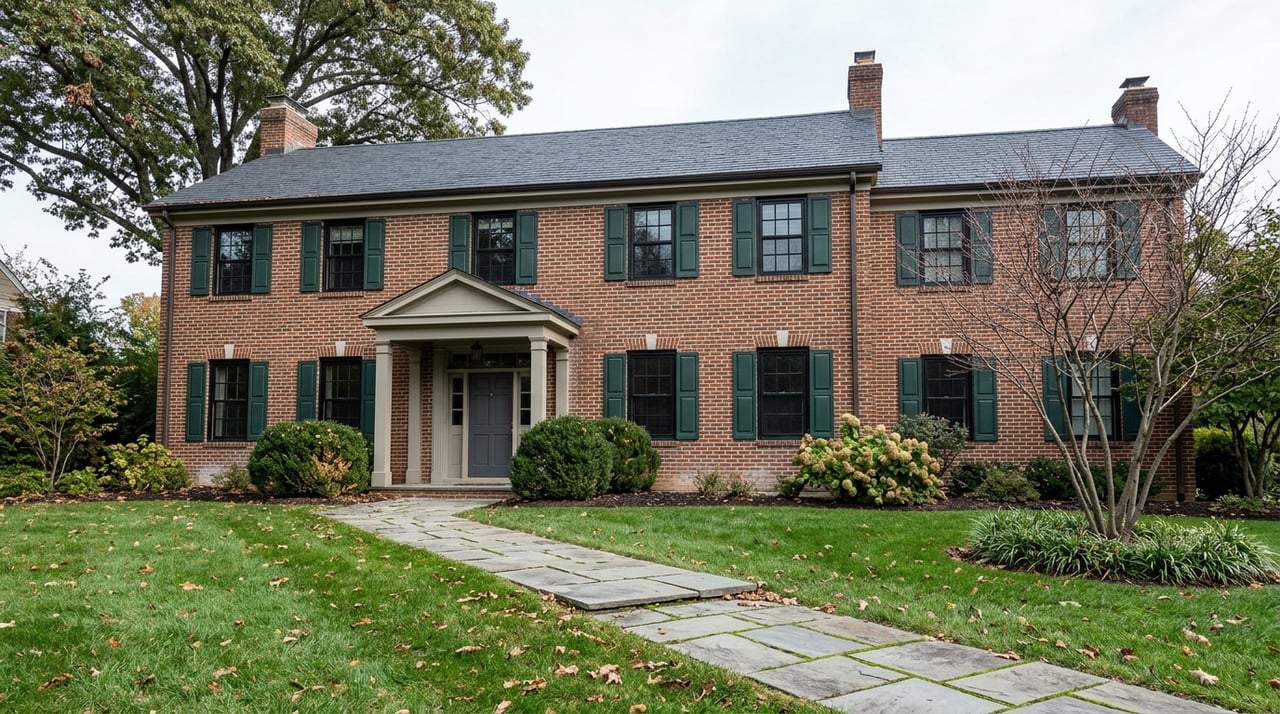
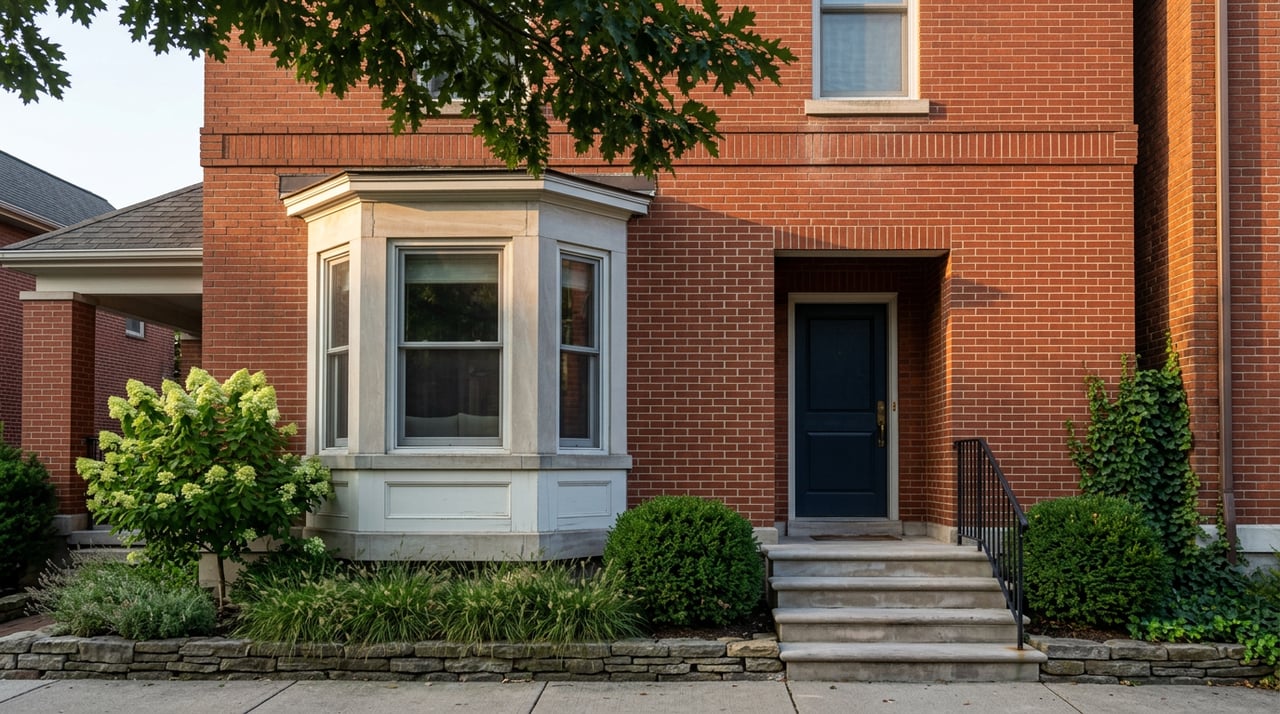
The original historic district nomination describes the area as an unusually intact late-19th-century residential neighborhood with closely grouped three- and four-story brick and stone buildings and a strong late Victorian and Richardsonian character. For you as a buyer, that means the neighborhood’s appeal is tied not only to convenience, but also to visual continuity and a built environment that feels distinct.
That character helps explain why Logan Circle often sits near the upper end of the central DC condo market. Buyers are not just paying for square footage. They are also paying for walkability, architecture, and a location that continues to attract owner-occupants and resale-minded buyers.
What Condo Inventory Looks Like
One of Logan Circle’s strengths is variety. It is not a one-note condo market made up only of converted rowhouses or only of newer mid-rise buildings.
According to current active listings on Redfin, available homes include units in the 2004 Radius building with an exercise room, concierge, club room, and courtyard; homes at 1401 Church Street NW in a 2005 garage building; newer units in Logan13 from 2016 with garage parking and balconies; and condos at 1440 Church Street NW with roof decks and in-unit laundry.
In practical terms, that gives you several different buying paths:
- Older converted buildings with more character
- Boutique-style condo homes with limited unit counts
- Mid-rise buildings with more amenities
- Newer construction with features like parking, balconies, and updated layouts
This mix is part of what makes Logan Circle attractive for urban buyers with different budgets and priorities.
How Logan Circle Compares Nearby
If you are choosing between several central DC neighborhoods, Logan Circle typically lands in the premium-middle range. Realtor.com’s neighborhood comparison data shows Logan Circle at a median listing price of $750,000.
Nearby areas in the same comparison include Mount Vernon Triangle at $499,500, Shaw Historic District at $645,000, Foggy Bottom–GWU–West End at $599,999, and West End at $849,000. That places Logan Circle above some nearby alternatives, but below the top of the central-DC pricing ladder.
There is also an important micro-market story here. The Logan Circle Historic District itself shows a median listing price of $695,000 with only 8 for-sale listings in that comparison, suggesting that the most character-rich pocket may have tighter supply and potentially less flexibility for buyers.
Another reason Logan Circle stays competitive is convenience. Redfin reports a Walk Score of 96, and some current listings note access to Metro stations such as McPherson Sq, Mount Vernon Sq, and Farragut. If you value a highly walkable, transit-connected lifestyle, that matters.
What to Review Before You Buy
Buying a condo is not only about the unit. It is also about the building, the association, and the rules that come with ownership.
The DC Front Door homebuying guide recommends that condo buyers review HOA bylaws and, once under contract, review condo rules and financial documents. Those records help you understand monthly fees, pet policies, quiet hours, and common-area obligations.
This step matters for day-to-day ownership, but also for long-term resale. A building with clear governance and solid financial management is often easier to finance, insure, and sell later than one with incomplete records or operational uncertainty.
Focus on HOA Financial Health
In the current condo environment, association finances deserve careful attention. Redfin reported in July 2025 that U.S. condo prices fell 2.2% year over year in May, with higher HOA fees, insurance costs, and special assessments identified as key pressure points in the condo sector.
That broader trend makes your document review even more important. Ask about reserve funding, recent fee increases, pending capital projects, and any past or anticipated special assessments.
Understand Insurance Responsibility
Insurance is another area where condo buyers should slow down and ask questions. The DC Department of Insurance, Securities and Banking says condo owners are responsible for the interior walls and floors of their unit, and associations may have authority to assess owners for certain damage.
DISB also notes that DC insurers are required to include at least $10,000 of dwelling coverage for walls and floors, while advising owners to consider higher limits and to review bylaws before buying. In real terms, you want clarity on what the master policy covers, what your individual policy needs to cover, and how the building has handled claims in the past.
Check Historic District Limits
Because Logan Circle sits within a historic district, renovation assumptions should be tested early. The DC Office of Planning explains that the district is designated and that construction affecting historic properties may be reviewed by the Historic Preservation Review Board.
If you are considering a unit because you hope to replace windows, alter an exterior feature, or make rooftop or facade changes, confirm the process before you buy. Historic designation can support neighborhood continuity and long-term appeal, but it can also shape what changes are possible.
Features That Matter for Resale
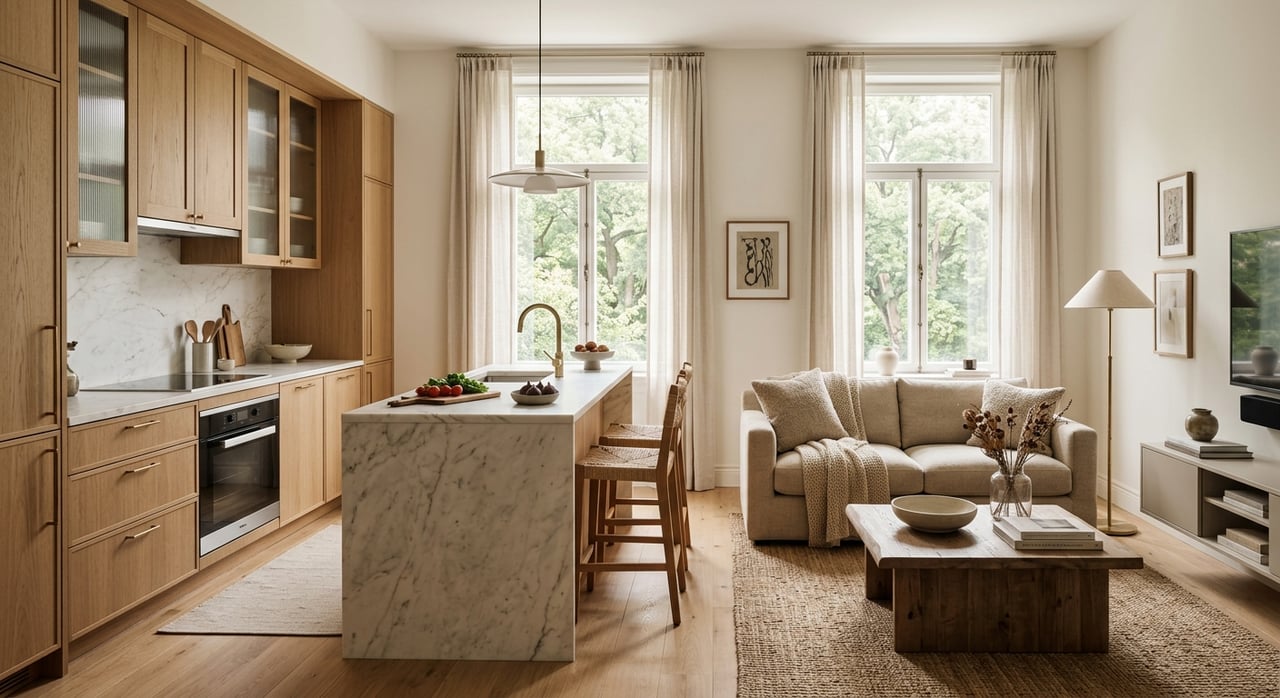
Not every upgrade carries the same weight in Logan Circle. Based on current active listings, buyers continue to respond to features such as natural light, outdoor space, in-unit laundry, garage parking, renovated interiors, concierge service, and flexible layouts.
That does not mean every buyer needs every feature. It does mean you should weigh amenities against monthly costs and building quality.
A smart way to evaluate value is to compare three things side by side:
- The unit’s layout and natural light
- The building’s amenities and common-area condition
- The HOA fee relative to what you actually receive
In a market that gives buyers some negotiating room, convenience still commands attention, but buyers are not always willing to absorb unlimited fee growth just to get it.
A Smart Buying Strategy in Logan Circle
If you are shopping in Logan Circle, your best approach is to stay disciplined rather than reactive. This is still a desirable central DC neighborhood, but current conditions suggest you may have room to negotiate on price, terms, or both.
Start by defining your must-haves versus your nice-to-haves. For some buyers, that means prioritizing a lower HOA and strong building finances over a larger amenity package. For others, it means paying more for parking, outdoor space, or a newer building with fewer immediate maintenance questions.
It also helps to evaluate Logan Circle in relation to nearby neighborhoods, especially if your budget has a firm ceiling. If Logan Circle is stretching your target price, nearby options may offer a different balance of size, building age, and monthly costs.
Most importantly, treat the building review with the same seriousness as the unit tour. In a condo purchase, the association, insurance structure, and long-term maintenance picture are part of the asset you are buying.
If you want tailored guidance on navigating Logan Circle or comparing it with nearby DC neighborhoods, The Lyndsi + Matt Team offers a concierge-style approach built around clear communication, neighborhood insight, and thoughtful strategy.
FAQs
What is the current Logan Circle condo market like for buyers?
- Logan Circle is currently considered a buyer’s market, with homes selling about 2.26% below asking on average and a 98% sale-to-list ratio, according to Realtor.com.
What price range should you expect for Logan Circle condos?
- Current active listings suggest many Logan Circle condos fall between the low $300,000s and low $700,000s, depending on size, building type, finishes, and amenities.
How does Logan Circle compare with other central DC neighborhoods?
- Logan Circle generally prices above Mount Vernon Triangle and Shaw, below West End, and remains attractive for buyers who want a walkable, transit-connected location with historic character.
What should you review before buying a Logan Circle condo?
- You should review HOA bylaws, condo rules, financial documents, reserve health, insurance responsibilities, and any history of fee increases or special assessments.
Do historic district rules affect Logan Circle condo purchases?
- Yes. Because Logan Circle is within a designated historic district, certain exterior changes or building alterations may be subject to preservation review.
Which condo features matter most for Logan Circle resale value?
- Current listings suggest buyers continue to value natural light, outdoor space, in-unit laundry, garage parking, flexible layouts, and well-maintained common areas.