What makes a Capitol Hill rowhouse stand out to today’s buyers? It is rarely just square footage. In 20003, buyers are often weighing historic character, daily function, and first impressions all at once, which means staging needs to do more than make a home look tidy. If you are preparing to sell, the right approach can help buyers see both the beauty of the architecture and how the home supports modern living. Let’s dive in.
Why Capitol Hill staging is different
Capitol Hill is not just another DC neighborhood. The Capitol Hill Historic District is one of the largest historic districts in the United States, with a period of significance from 1791 to 1945. That context matters because buyers are responding to more than your interior rooms. They are also responding to the identity of the block, the façade, and the historic feel of the home itself.
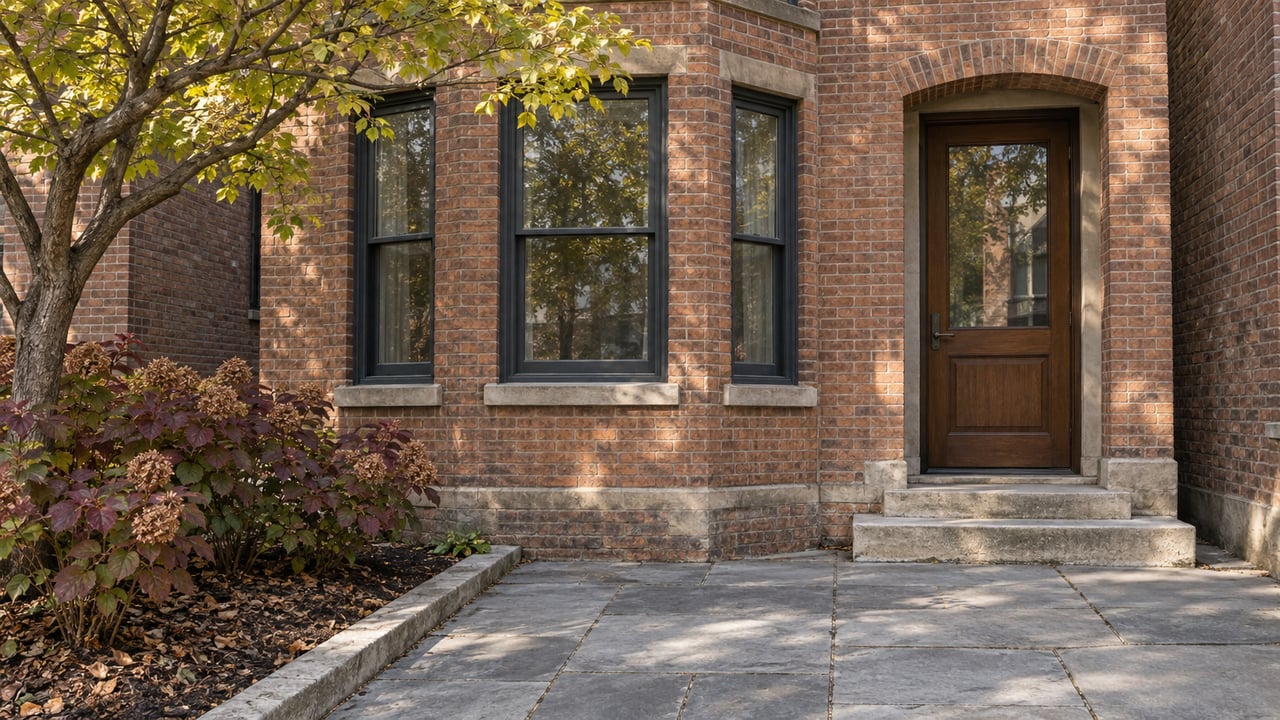
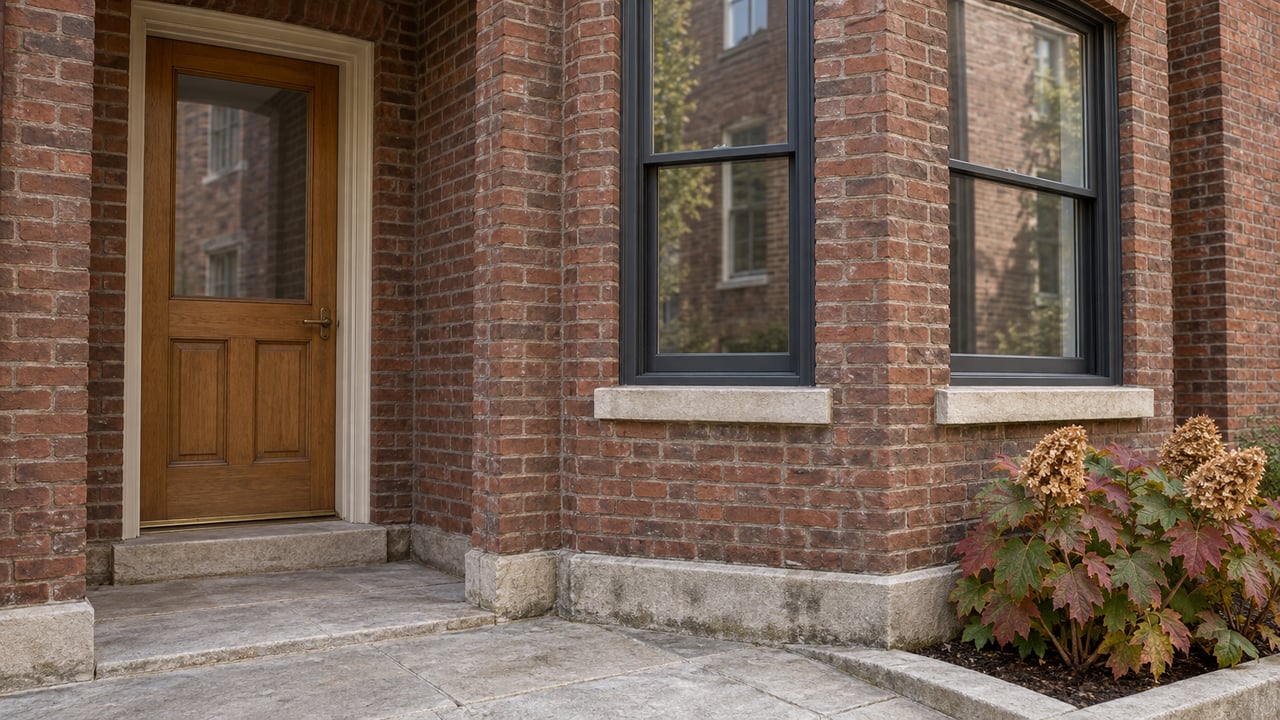
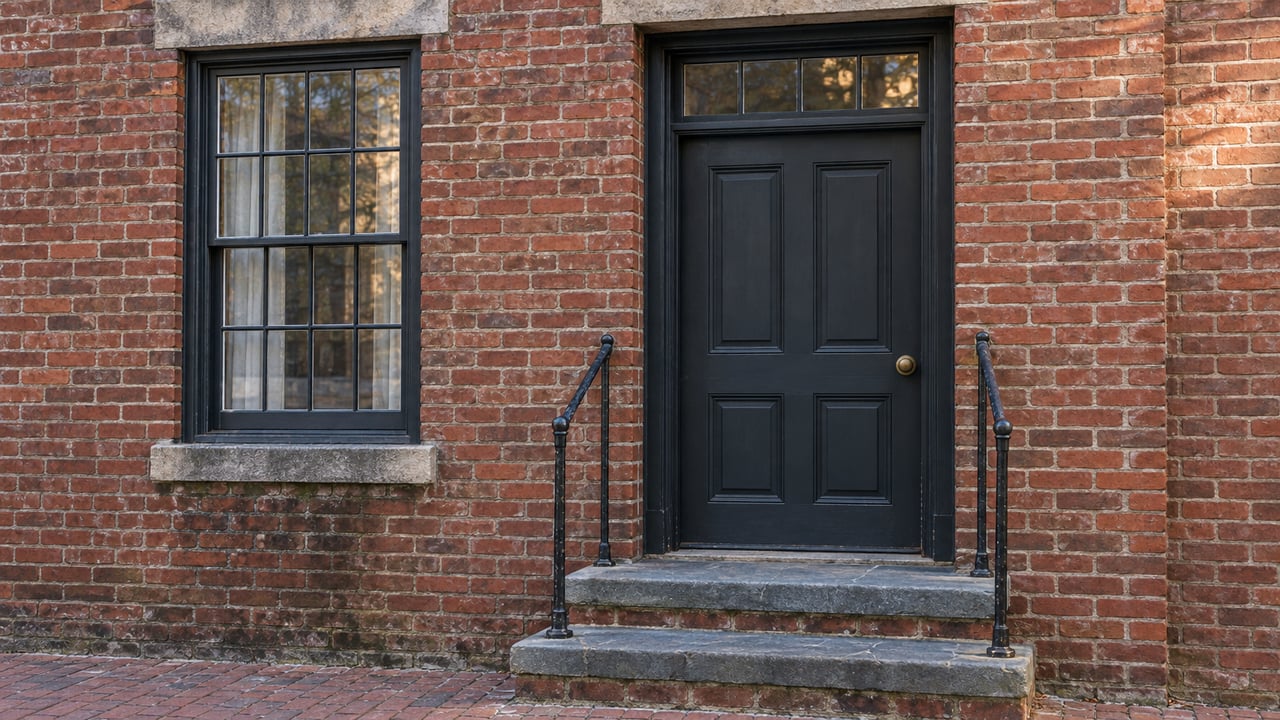
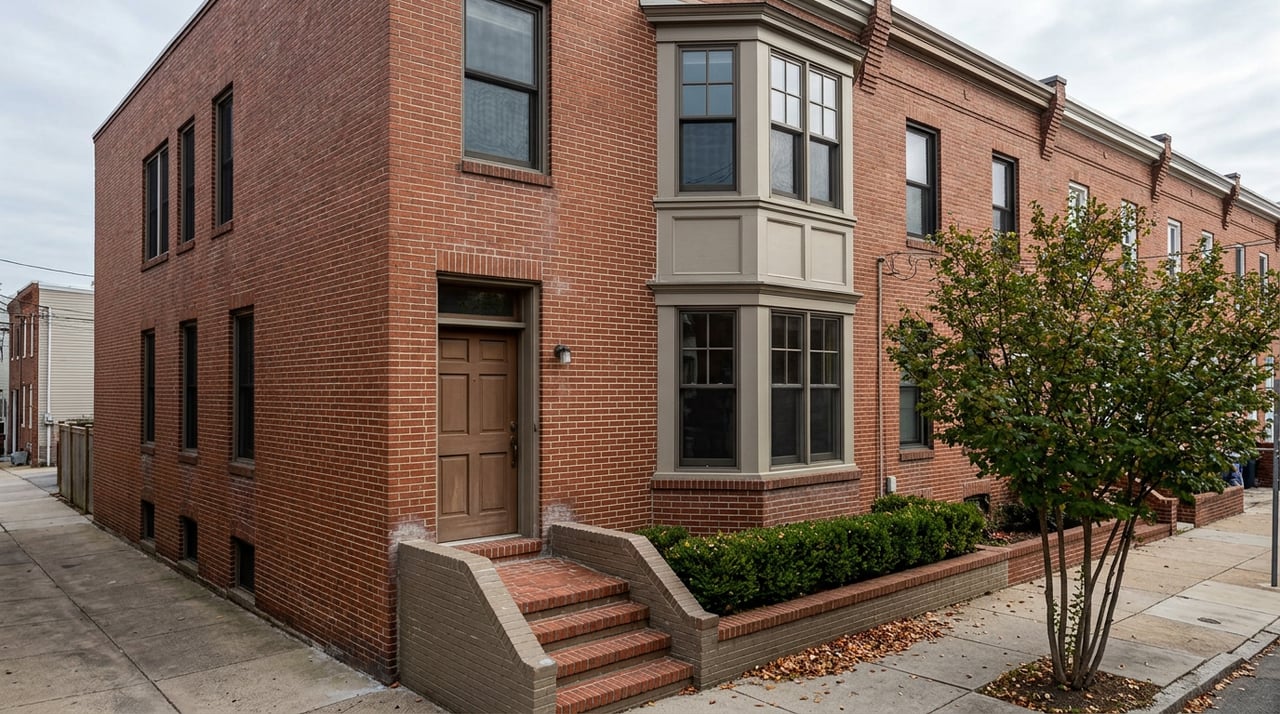
According to the DC Office of Planning, Capitol Hill rowhouses include Italianate, Queen Anne, and Romanesque Revival architecture, with details like projecting bays, porches, intricate brickwork, terra cotta, and stained-glass transoms. In practical terms, your staging should support those features, not compete with them. The goal is to help buyers notice what makes the home special.
What today’s 20003 buyers appear to value
Presentation still matters in this ZIP code. Redfin’s 20003 market data reported a median sale price of $900,000 in February 2026, about 68 days on market, and roughly two offers on average. The same area also showed an average home value of $816,771 with homes going pending in around 37 days on Zillow’s 20003 housing data, which points to a high-value market where a polished first impression can still make a difference.
Buyer priorities have shifted in recent years. In the National Association of Realtors’ 2024 migration survey, outdoor space was the top home-specific factor at 42%, followed by additional square footage at 31%. The same report also found remote work continues to influence home choices, which makes flexible rooms and work-from-home setups more relevant than ever.
That shift is especially important in a Capitol Hill rowhouse. Buyers may be asking whether the dining area can work harder, whether a bay-front room feels bright enough for everyday living, or whether a small patio can feel like a true extension of the home. Good staging answers those questions before buyers even ask them.
Why staging still pays off
Staging is not about making a home look artificial. It is about helping buyers picture themselves living there. In the NAR 2025 staging report, 83% of buyers’ agents said staging made it easier for buyers to visualize a property as their future home.
The same report found that 29% of agents saw a 1% to 10% increase in the dollar value offered when a seller staged the home, and 49% of sellers’ agents said staging reduced time on market. It also noted that buyer expectations are heavily shaped by TV and digital media. That means your home does not just need to show well in person. It also needs to look strong in photos, video, and virtual tours.
Stage the rooms buyers notice first
NAR reports that the living room is the most important room to stage, followed by the primary bedroom and kitchen. In practice, those spaces often carry the most emotional weight because buyers can quickly imagine how daily life would unfold there.
Living room first
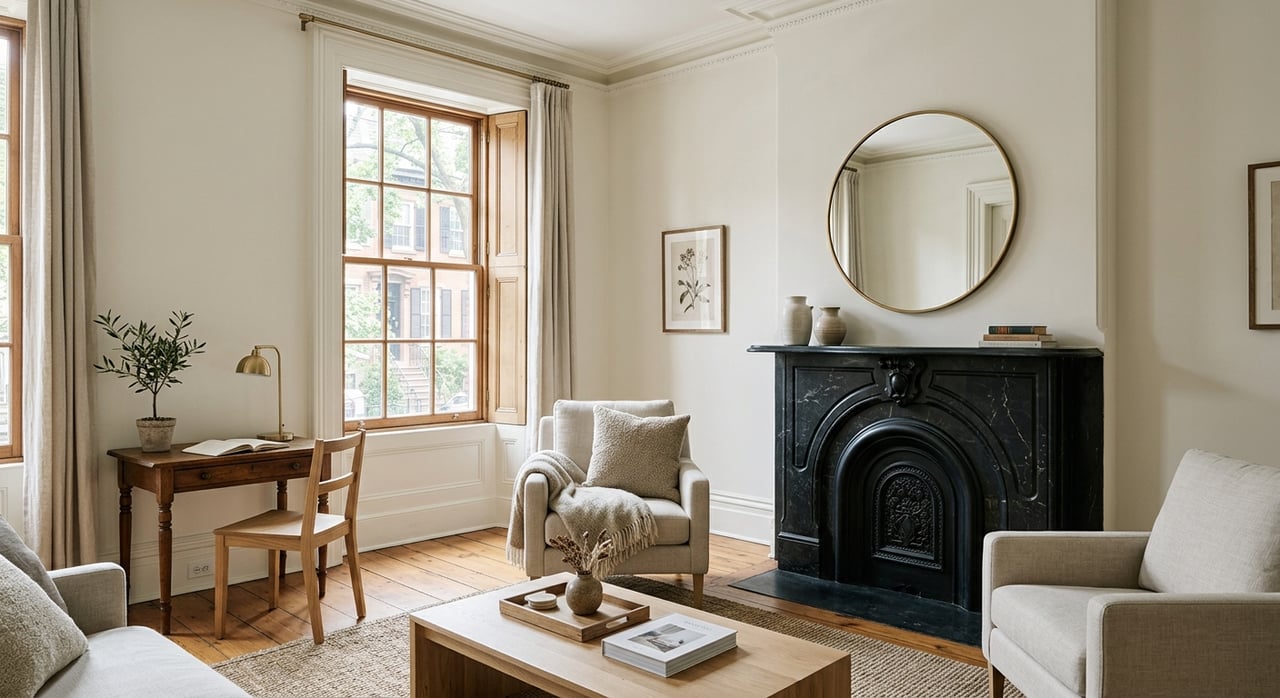
In a Capitol Hill rowhouse, the living room often introduces the home’s personality. This is where buyers may first notice ceiling height, original trim, fireplace surrounds, bay windows, or stained glass. Use scaled seating, simple textiles, and clear walking paths so the architecture stays visible.
A crowded layout can make a rowhouse feel smaller than it is. A lighter touch usually works better. Open sightlines help buyers take in both the room and the period details that make these homes memorable.
Primary bedroom calm
The primary bedroom should feel restful and functional. Keep furniture proportional, limit extra decor, and create enough open space around the bed to make the room read clearly in listing photography. Soft, neutral bedding usually helps the space feel brighter and more spacious.
Kitchen clarity
Your kitchen does not need to look brand new to show well. It does need to feel clean, edited, and easy to use. Clear counters, fresh lighting, and a few intentional accessories can help buyers focus on layout and storage instead of visual noise.
Dining room flexibility
In many rowhouses, the dining room works best when it suggests more than formal entertaining. A simple table setting, fewer chairs, or a layout that hints at multi-use living can help buyers see everyday meals, remote work overflow, or casual hosting. That flexibility matters in homes where every room needs to earn its place.
Use a less-is-more approach
Compact rooms usually benefit from restraint. NAR defines staging as cleaning, decluttering, repairing, depersonalizing, and updating the home, and its staging guidance emphasizes the importance of abundant daylight. Open window treatments fully and turn on lights where natural light does not reach.
For Capitol Hill rowhouses, this often means:
- Choosing furniture with a smaller footprint
- Leaving more visible floor area
- Avoiding heavy drapery that hides windows or transoms
- Using neutral textiles that do not compete with brick, millwork, or fireplace details
- Removing decor that blocks bay fronts, mantels, or original trim
If your home has historic character, let it lead. Buyers touring Capitol Hill often want to see authenticity. Staging should help them appreciate those details at a glance.
Create a work-from-home zone
Remote and hybrid work continue to shape buyer decisions. Even if you do not have a dedicated office, a small, well-defined workspace can add real value to the story your home tells.
A simple desk, task lamp, and chair can turn an underused landing, bay window area, or spare bedroom corner into a purposeful vignette. The key is separation. Buyers should be able to understand where work happens and where home life begins, even in a narrower floor plan.
Do not overlook outdoor space
Small outdoor areas matter more than many sellers expect. Since outdoor space ranked highest in the NAR migration survey, even a modest stoop, rear patio, or pocket garden deserves attention.
You do not need a major landscape project. Usually, the basics have the biggest impact:
- Sweep and clean all hard surfaces
- Add simple container plants
- Use compact seating if the space allows
- Make paths and entrances feel open and intentional
- Check exterior lighting so the area feels usable
These small touches help buyers imagine morning coffee, evening downtime, or easy outdoor dining. That emotional connection can be powerful.
Focus on cosmetic updates
For many Capitol Hill sellers, the smartest pre-listing improvements are selective and visible rather than major and disruptive. The DC Historic Preservation design guidelines cover items like windows, doors, porches, roofs, basement entrances, and other visible features of historic properties. That is one reason cosmetic updates are often the most practical path before listing.
NAR’s 2025 report found that the most common pre-listing recommendations were decluttering, whole-home cleaning, and curb appeal improvements. It also reported a median cost of $1,500 for professional staging, compared with $500 when the seller’s agent handled staging. If your goal is a stronger first impression and a smoother sale, targeted changes often make more sense than major remodeling.
In Capitol Hill, the best updates are usually the ones that preserve character while making the home feel fresh. Consider:
- Paint touch-ups in historically sympathetic, neutral tones
- Repairing wall scuffs and worn surfaces
- Replacing dim bulbs with brighter, consistent lighting
- Cleaning masonry, woodwork, and trim where applicable
- Swapping in simple textiles or hardware that do not distract from the architecture
Stage for photos, not just showings
Many buyers first meet your home online. NAR’s 2025 staging report noted that buyers’ agents rated photos, traditional staging, videos, and virtual tours as highly important. That means every staging decision should be made with the camera in mind.
Ask whether each room reads clearly in a wide shot. Are there dark corners, oversized pieces, or personal items pulling attention away from the home itself? The best staged rowhouses feel polished in person, but they also photograph with clarity, light, and a sense of flow.
A practical Capitol Hill staging checklist
If you are getting ready to list, start here:
- Declutter every room and remove excess furniture
- Deep clean the entire home
- Open window treatments to maximize daylight
- Highlight original details instead of covering them
- Stage the living room, primary bedroom, and kitchen first
- Give the dining room a flexible, everyday purpose
- Add a simple work-from-home setup
- Refresh the stoop, patio, or garden area
- Complete small cosmetic repairs and paint touch-ups
- Review every room through the lens of listing photography
Thoughtful staging helps a Capitol Hill rowhouse tell the right story. It can showcase historic charm, support modern routines, and create the kind of first impression that resonates online and in person. If you are preparing to sell in 20003, The Lyndsi + Matt Team can help you shape a smart, polished listing strategy with concierge-level guidance from prep through launch.
FAQs
What rooms matter most when staging a Capitol Hill rowhouse?
- The living room, primary bedroom, and kitchen are typically the top priorities, with the dining room also important in rowhouses where flexible use adds value.
Why is outdoor space important to buyers in Capitol Hill?
- According to NAR’s 2024 migration survey, outdoor space was the top home-specific factor for recent clients, so even a small stoop, patio, or garden can support buyer interest.
Should you remodel before listing a historic Capitol Hill home?
- In many cases, selective cosmetic improvements like cleaning, decluttering, touch-up painting, and lighting updates are more practical than major pre-sale remodeling.
How should you stage a small rowhouse for modern living?
- Use scaled furniture, keep clear sightlines, define flexible spaces, and add a simple work-from-home area so buyers can understand how the home functions day to day.
Why does staging matter in the 20003 real estate market?
- In a high-value market where buyers often start online, staging can help your home photograph better, feel more memorable, and make it easier for buyers to picture themselves living there.