Imagine stepping out your front door to the shimmer of the Potomac, a morning run along the riverwalk, and dinner on a patio where boats glide past at sunset. If you are drawn to historic character and a vibrant waterfront scene, Georgetown delivers a rare mix of charm, culture, and daily convenience. In this guide, you will learn what waterfront-proximate living looks like here, which homes to watch, how preservation rules affect renovations, what drives pricing, and the lifestyle details that make this pocket of D.C. so magnetic. Let’s dive in.
Georgetown at the water’s edge
Georgetown sits along the Potomac in northwest Washington, D.C., with roots that stretch across Federal to Late Victorian architecture. The neighborhood is a designated National Register historic district, which helps preserve its streetscapes and sense of place. You can explore that heritage in the official listing for the Georgetown Historic District.
Life along the water centers on Georgetown Waterfront Park and the riverwalk. Managed by the National Park Service, these public spaces add daily green relief with broad steps, pergolas, and river access. Get a feel for the amenities and layout through the Georgetown Waterfront Park overview.
Washington Harbour is a social anchor just off the boardwalk. Seasonal programming, including the fountain that converts to an ice rink in winter, keeps the area lively for residents and visitors. To preview the winter scene, scan the Washington Harbour ice rink and seasonal highlights.
Homes near the water
Waterfront-proximate homes in Georgetown include a range of property types within a compact, walkable grid. You will find period rowhouses on leafy streets and full-service condos nearer to the river.
Historic rowhouses and townhouses
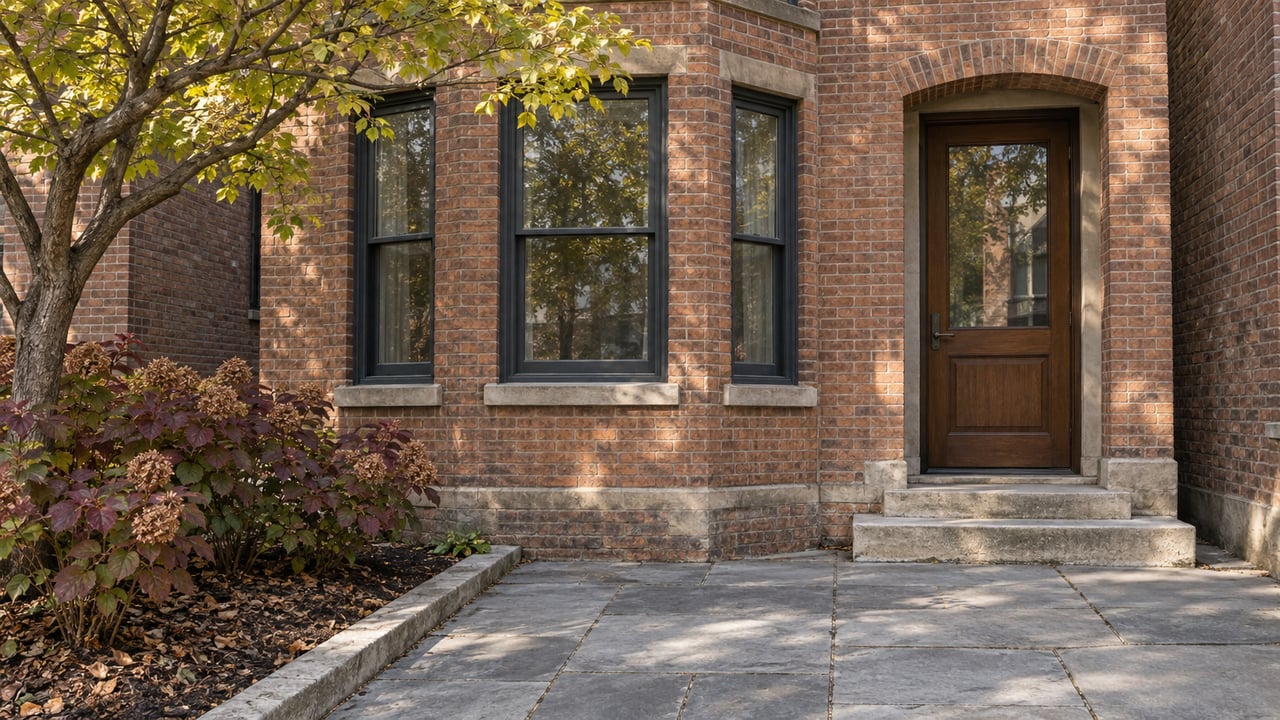
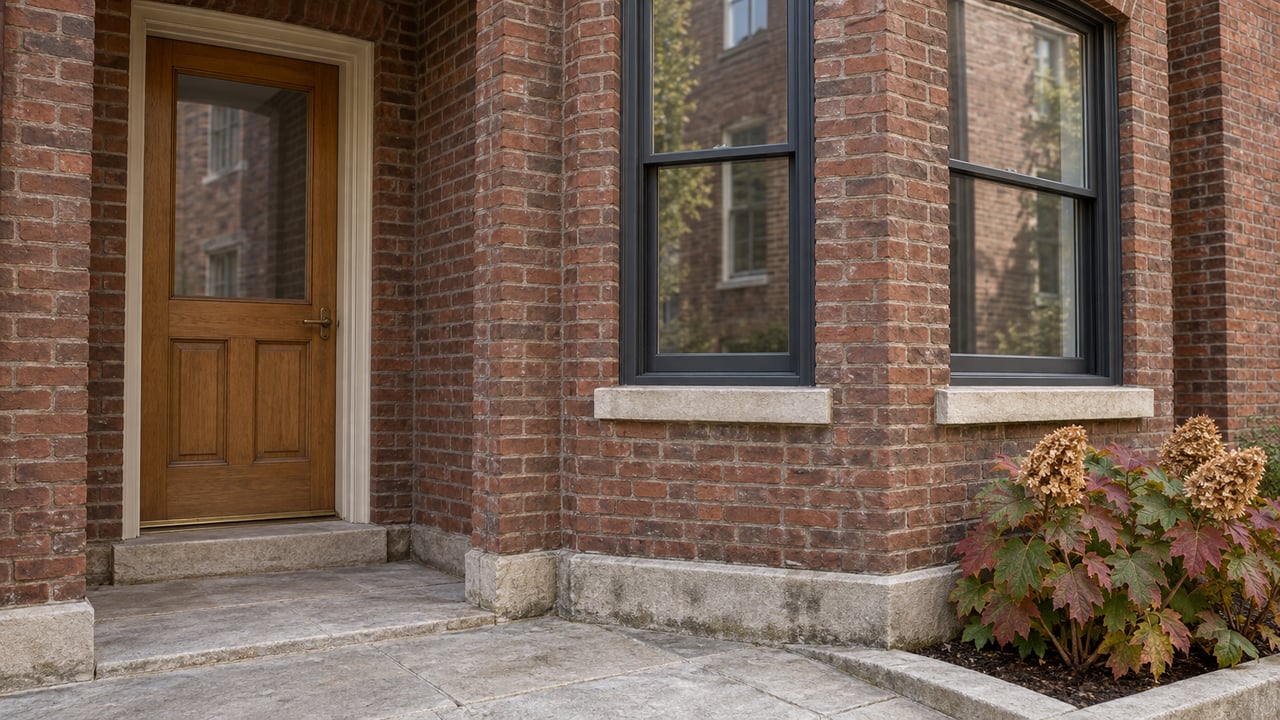
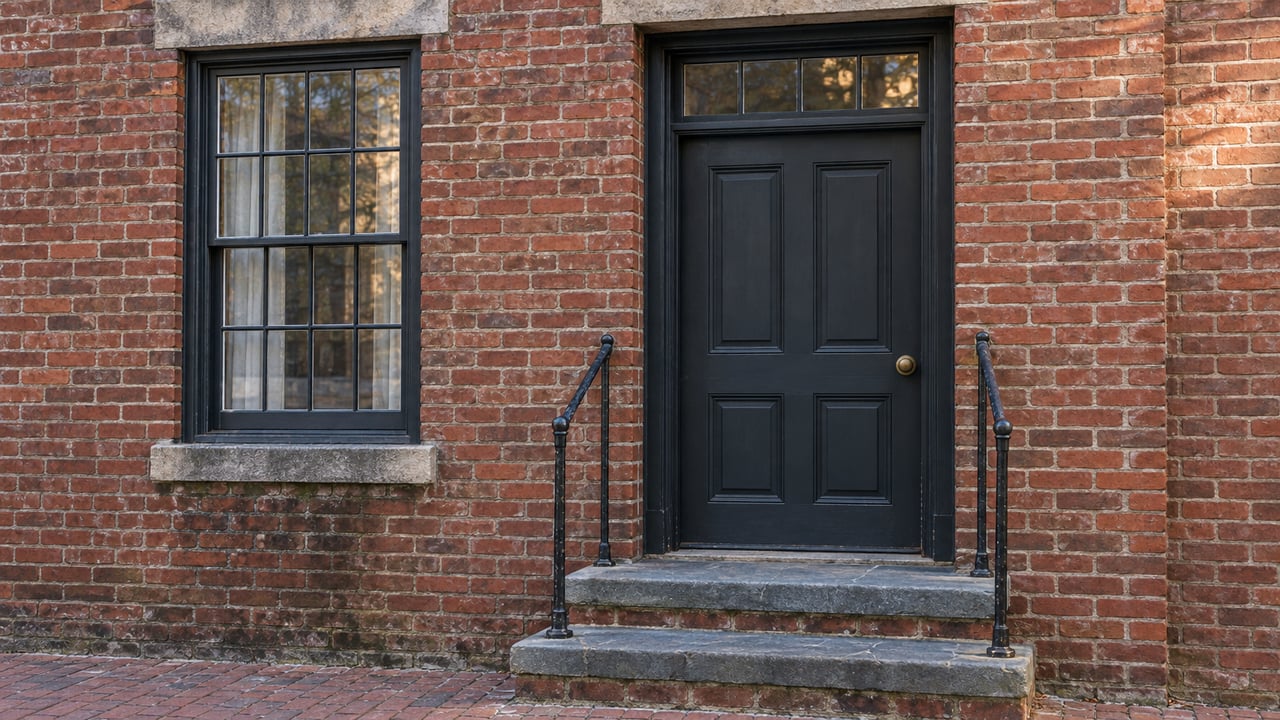
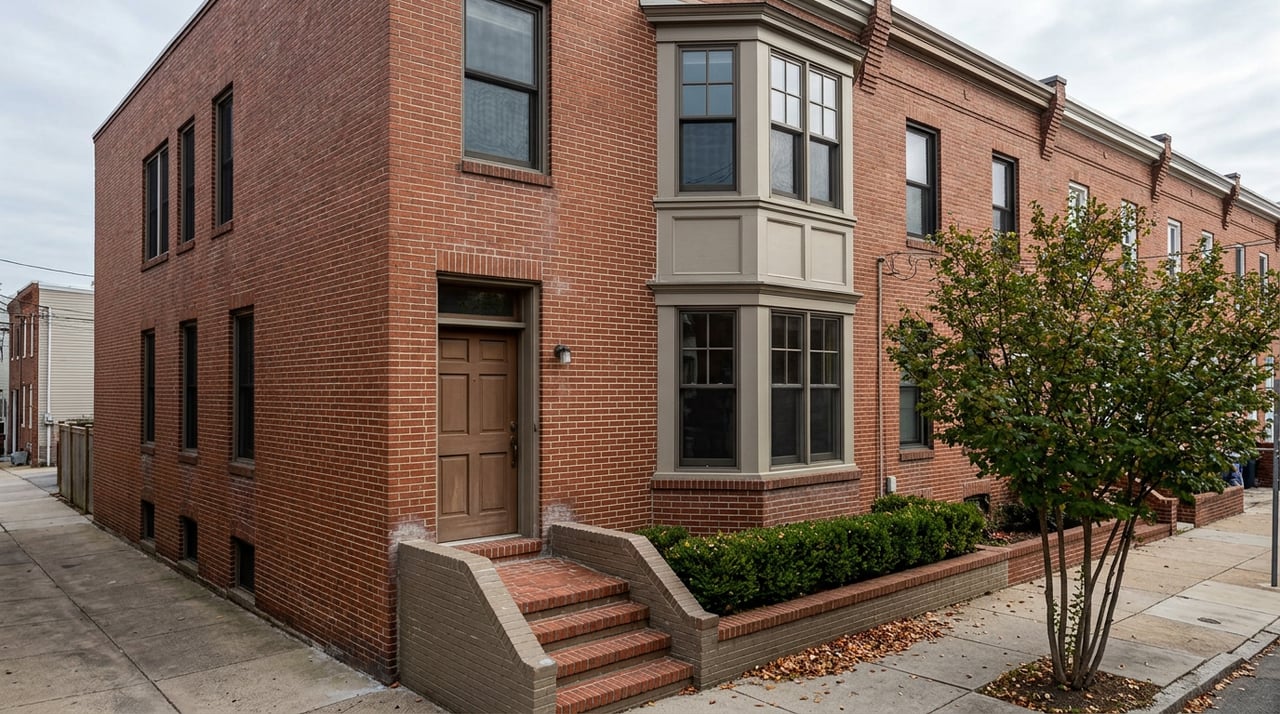
Classic brick rowhouses define much of Georgetown’s architectural identity. Federal-, Georgian-, and Victorian-era facades line narrow streets with cobbled details in places. If you love historic proportions, original masonry, and a traditional streetscape, these homes offer daily charm a short stroll from the river.
Waterfront condos and loft conversions
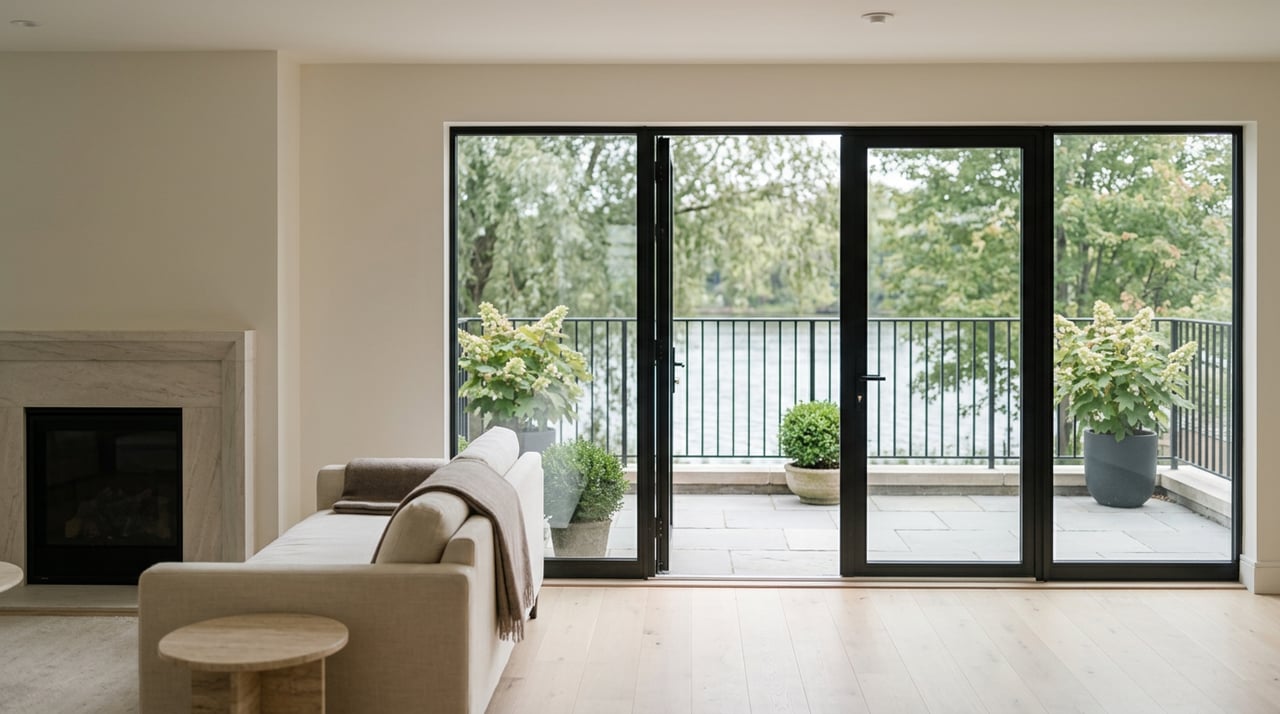
Closer to the river, larger buildings introduce a different lifestyle. You will see condos with full-service amenities like concierge, pools, roof decks, and assigned parking, including units in complexes near Washington Harbour. Many residences feature river views and easy access to the boardwalk, making them ideal if you prefer elevator living, secure parking, and on-site services.
Limited new builds and careful change
Because much of Georgetown sits inside the federal Old Georgetown historic district, new construction and visible exterior changes face design review. This keeps character intact but can affect project timelines and scope. You can read how the process works on the city’s page for the Old Georgetown review.
What design review means for you
Exterior work visible from public space typically goes through a layered review that involves the Old Georgetown Board, the Commission of Fine Arts, and the DC Historic Preservation Office. The process protects the neighborhood fabric and helps ensure consistent quality. Expect to factor review steps and potential conditions into your renovation planning. Visit the District’s overview of Old Georgetown review to understand roles, timelines, and submission requirements.
Interior work is not the focus of the Old Georgetown Board, but interior permits still apply based on scope. Some properties may also carry conservation easements held by preservation trusts. Ask your agent and the seller for disclosures, prior approvals, and any documentation that travels with the deed.
Market signals to watch
Georgetown is one of Washington’s top-tier neighborhoods, and its pricing reflects that position. Neighborhood-level snapshots in late 2025 from consumer-facing aggregators showed median sale prices roughly in the high six-figure to multi-million-dollar range, including figures around 1.8 to 1.9 million dollars. Exact numbers shift with inventory mix and timing. Use up-to-date MLS data when you are ready to make a move.
Inventory is consistently tight. Historic housing stock, limited buildable land, and steady demand help support pricing and create intermittent listing counts. Well-prepared buyers who can move quickly often have an edge on special properties.
Why waterfront can command a premium
Across many global markets, waterfront addresses often trade at a premium to comparable inland homes. Industry research highlights sizable average uplifts in prime segments, though the size of the premium varies by market, view quality, and water access. For a deeper look at the global pattern, review the Knight Frank Global Waterfront Report. To understand Georgetown-specific premiums, you will want a local MLS analysis aligned to your target properties.
Negotiation dynamics in a tight market
When supply is thin and demand is strong for restored rowhouses or prime river-view condos, clean offers and clear timelines help. Pre-approval, a thoughtful inspection approach, and flexibility on close dates can make your offer stand out. For sellers, storytelling matters: highlight historic provenance, proximity to the riverwalk, and building amenities to reach qualified buyers.
For broader context on how high-end segments have performed amid regional shifts, you can scan recent market coverage like this Washington Post analysis of trends in 2025. It offers a macro view that complements property-level comps: Washington area housing market changes.
Lifestyle, dining, and daily rhythm
Waterfront living here is active, social, and surprisingly restorative for an urban setting. On many mornings, rowers and kayakers share the Potomac as commuters stream along the trail.
Trails, boats, and on-the-water fun
The C&O Canal towpath begins in Georgetown and links into long, scenic stretches for walking and cycling. Kayak and boat rentals, plus organized rowing, add variety to your weekend plans. For a quick overview of options, check the National Park Service’s guide to exploring the Georgetown waterfront and the details for Georgetown Waterfront Park.
Dining and culture on the river
The M Street and Wisconsin Avenue corridors meet the river at Washington Harbour, where waterfront dining includes high-profile options and patios with uninterrupted views. Seasonal events like the winter ice rink energize the boardwalk and create a neighborhood gathering point. To see the hub in action, browse the Washington Harbour seasonal highlights.
Beyond the river’s edge, you can spend an afternoon between Dumbarton Oaks, the Old Stone House, and intimate venues like Blues Alley. These cultural anchors add texture to daily life and make Georgetown feel like a small historic city inside the capital.
Getting around without Metro
Georgetown does not have an internal Metro station. Most residents connect by foot or bus to nearby stations such as Foggy Bottom–GWU or Rosslyn, use the DC Circulator, or rely on short rideshare hops. The walk to rail typically ranges from about 10 to 25 minutes, depending on your start point. For a simple primer on getting around from Georgetown, skim this travel overview: Washington, D.C. itinerary and transit tips.
Seasonal water taxis have linked Washington Harbour with The Wharf, Old Town Alexandria, and other piers in recent years. Schedules and operators can change, so always confirm before planning a commute. This guide explains the basics and reminds you to check live routes: how to use D.C.’s water taxi.
Buyer checklist for waterfront-proximate homes
Use this quick list to focus your search and protect your purchase.
- Pricing and comps: Review live MLS data for current Georgetown pricing and active inventory. Neighborhood-level snapshots change with mix and timing.
- Preservation and permits: Budget time and design resources for any exterior work that will need Old Georgetown Board, CFA, or HPO review. See the city’s Old Georgetown review for scope and steps.
- Parking and access: Many historic rowhouses have limited or no off-street parking. Waterfront condos often include garage spaces. Verify assigned spaces, guest policies, and EV charging options in HOA documents.
- Flood risk and insurance: Waterfront-proximate parcels can face riverine or tidal flooding. Use FEMA’s Flood Map Service Center to check your property’s zone. Ask for elevation certificates, prior flood history, and mitigation measures.
- HOA fees and amenities: Full-service waterfront buildings may carry higher monthly fees to cover concierge, pool, landscaping, and security. Factor fees into total monthly cost and compare amenity value against your lifestyle.
- Views and privacy: Evaluate sightlines from the unit and common areas. In condos, floor level, orientation, and adjacent structures can significantly influence light, noise, and resale appeal.
- Inspection focus: For historic homes, look closely at masonry, roofs, drainage, and window systems. For condos, review building reserves, recent capital projects, and any planned assessments.
Seller snapshot: positioning to win
If you are selling a waterfront-proximate home or condo here, lead with elements that buyers value most. Showcase historic provenance, intact details, and any sensitive restorations. For condos, make the case for your building’s lifestyle benefits: river views, amenity suite, parking, and proximity to the boardwalk.
- Prepare documentation: Gather permits, prior approvals, surveys, elevation certificates, and HOA disclosures before launch.
- Elevate the narrative: Stage for natural light and river sightlines. Use photography that captures both interiors and the daily rhythm on the boardwalk.
- Price with precision: Blend live comps with a view and amenity adjustment rather than relying on generic neighborhood medians.
- Time the market: Seasonal waterfront activity and public events can support showings and foot traffic.
Next steps
If you are exploring Georgetown’s waterfront lifestyle, the right guidance makes all the difference. From live MLS pulls and tailored comps to preservation planning and contract strategy, you deserve a concierge approach. To map your goals to the market, connect with The Lyndsi + Matt Team and schedule a complimentary consultation.
FAQs
How does Georgetown’s historic status affect renovations?
- Exterior work visible from public space usually requires review through the Old Georgetown Board and related agencies, which can affect timelines and scope. See the District’s overview of the Old Georgetown review for details.
Do waterfront homes in Georgetown always cost more?
- Waterfront locations often command a premium, but the size varies by view, building amenities, and direct water access. For global patterns, see the Knight Frank Global Waterfront Report. A Georgetown-specific premium should be estimated from local comps.
Is commuting practical from Georgetown without a Metro stop?
- Yes. Many residents walk or take buses and the Circulator to reach nearby rail at Foggy Bottom–GWU or Rosslyn, or use short rideshares. This D.C. transit overview outlines options and context.
What flood and insurance steps should I take near the river?
- Check parcel-level flood zones on FEMA’s Flood Map Service Center. Request elevation certificates, past flood history, and details on mitigation. Your lender and insurer will use these to size coverage and cost.
What home types are common near the Georgetown waterfront?
- You will see historic brick rowhouses a short walk from the river, plus full-service condominiums and select loft-style conversions closer to the boardwalk, often with amenities like concierge, pool, and garage parking.