If you own a historic Georgetown home, you are not just selling square footage. You are selling a story, a setting, and a lifestyle that modern buyers want to understand quickly. In a digital-first market where presentation matters, the right strategy can help your home feel both timeless and easy to live in today. Let’s dive in.
Start with Georgetown’s story
Georgetown gives sellers something many neighborhoods cannot: built-in identity. According to the DC Office of Planning, the Georgetown Historic District was created in 1950, was the first historic district in Washington, and the sixth in the United States. It is also a National Historic Landmark, with a period of significance that runs from 1751 through 1950.
That history matters because it helps frame your home as part of something larger than the property line. Georgetown is not simply old. It is one of DC’s most established and recognizable neighborhood settings, and that gives buyers a clear sense of place before they ever step inside.
The Georgetown BID describes the area as DC’s original neighborhood, with more than 470 shops, restaurants, and institutions, plus homes dating back to the 18th century. That mix supports one of the strongest marketing angles for a seller: your home can offer heritage and daily convenience at the same time.
Position history as a modern advantage
Modern buyers do not usually want a home that feels frozen in time. They want character, but they also want comfort, function, and clarity. The best marketing for a Georgetown home shows how historic features translate into everyday value.
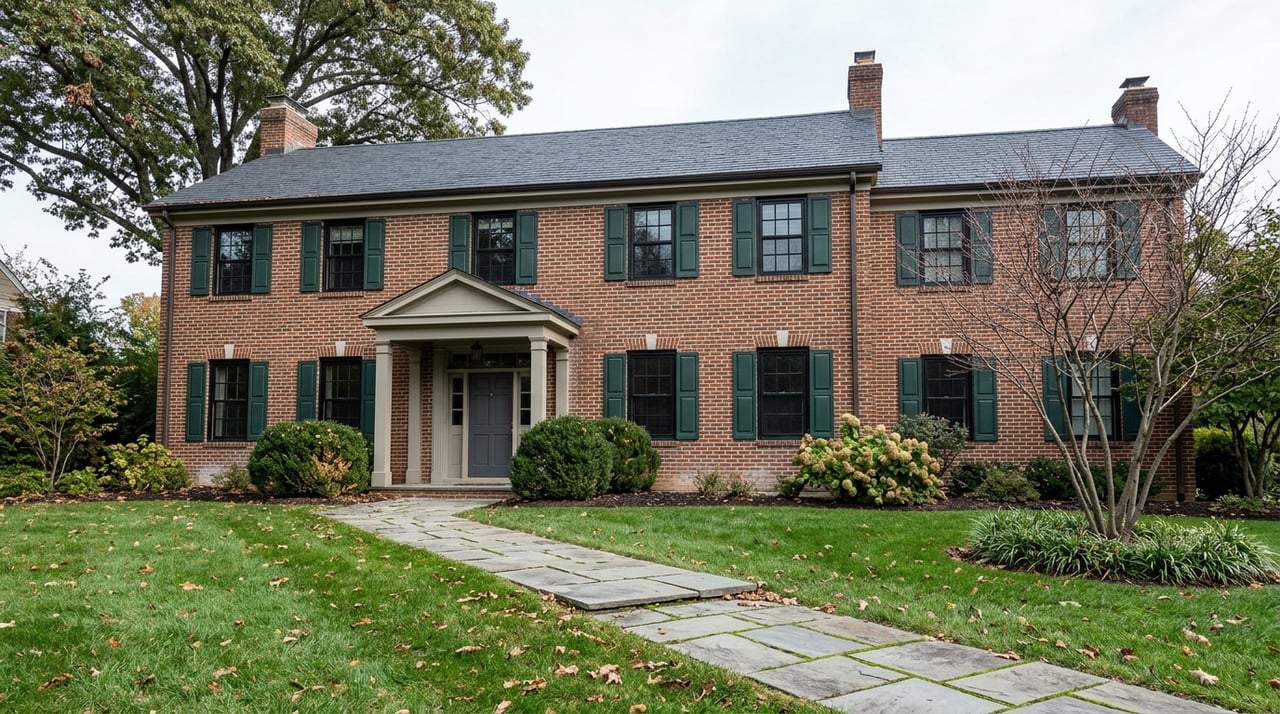
That means turning architectural detail into buyer-friendly language. Tall windows suggest natural light. Original millwork suggests craftsmanship. A preserved façade suggests rarity and curb appeal. A more traditional floor plan can be presented as a thoughtful separation between entertaining areas and private spaces.
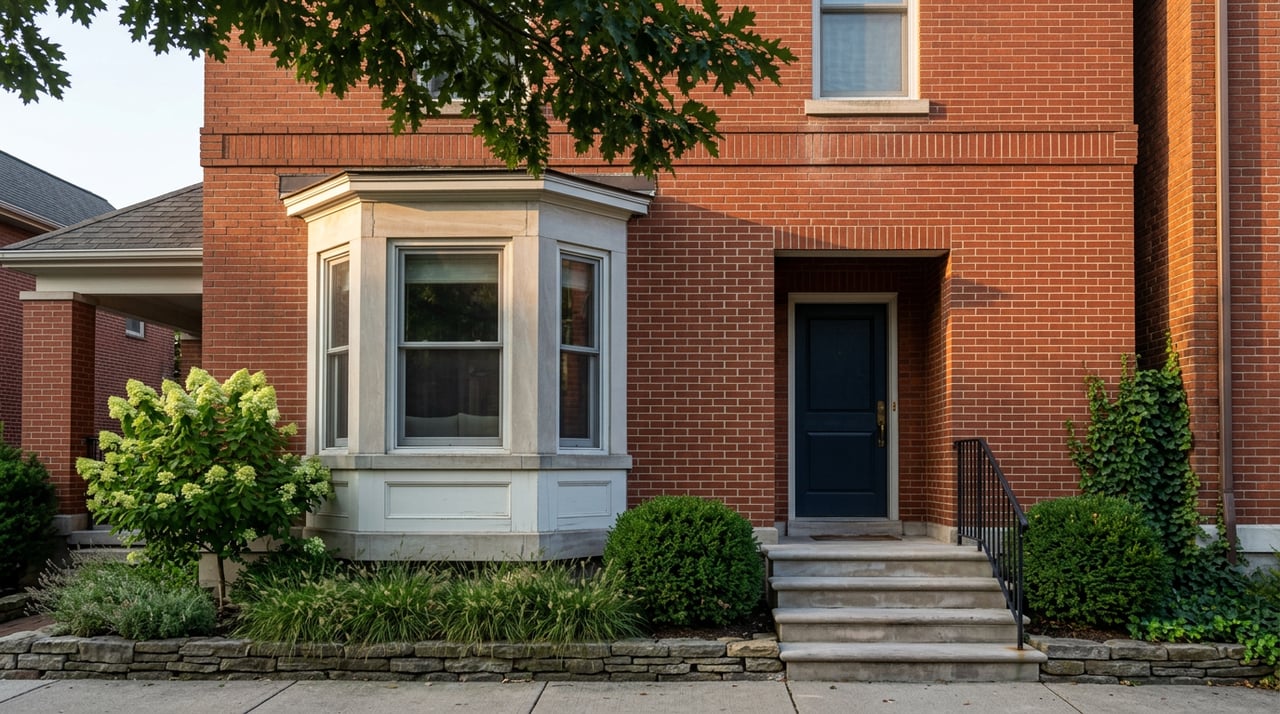
The National Register materials for Georgetown point to architectural styles such as Italianate, Queen Anne, and Romanesque Revival. Features like bay windows, corbelled cornices, decorative hoods, and rough-stone trim are not just design notes. They are visual proof of texture, scale, and quality that can help your home stand out online.
Know what today’s buyers expect
If your marketing plan starts and ends with listing photos, you may be leaving buyers with too many questions. Home search is overwhelmingly digital-first, and that is especially important for a historic property where layout and room relationships may be less obvious than in newer construction.
National Association of Realtors data shows that all buyers used the internet in their search, 69% used a mobile or tablet device, and 51% found the home they purchased online. Buyers also said the most useful online tools included photos, detailed property information, floor plans, and virtual tours.
For Georgetown sellers, the message is simple: your listing package needs to explain the house, not just showcase it. Buyers should understand the flow, scale, and feel of the home before they schedule a showing.
What a strong listing package should include
A historic home benefits from a layered presentation that reduces uncertainty and builds interest.
- Professional photography that captures architectural detail and natural light
- Detailed property information that explains updates, condition, and key features
- A floor plan that shows circulation and room relationships
- A video walkthrough or virtual tour that helps buyers understand scale and layout
- Thoughtful staging where appropriate, especially in key living spaces
For older homes, this matters even more because room arrangements may be more formal and less open than buyers expect from photos alone. A complete marketing package helps buyers appreciate the home on its own terms.
Prepare the house before you go live
In Georgetown’s premium market, presentation and pricing discipline both matter. Recent neighborhood data from major portals shows a high-priced market, but not one where sellers can rely on location alone. Across Redfin, Realtor.com, and Zillow, the numbers differ somewhat, but they point to the same conclusion: buyers are paying premium prices while comparing options carefully.
That means your home needs to feel polished, intentional, and easy to understand. Pre-listing work is often what creates that outcome.
NAR’s 2025 staging report found that 83% of buyers’ agents said staging helped buyers visualize a property as a future home. The same report found that the most common seller prep recommendations were decluttering, cleaning the entire home, and improving curb appeal.
Focus your prep on high-impact basics
Before launch, the most effective improvements are often the least flashy.
- Declutter to make rooms feel larger and calmer
- Deep clean every space
- Improve curb appeal with simple exterior maintenance
- Stage major rooms such as the living room, primary bedroom, dining room, and kitchen
- Remove distractions that compete with original architectural features
For a Georgetown house, good prep should not erase personality. It should help buyers notice the right things, including proportion, craftsmanship, and livability.
Market livability, not just legacy
Historic significance can attract attention, but livability is what helps a buyer picture a future there. The strongest Georgetown listing copy usually connects three ideas: place, character, and livability.
Place comes from the neighborhood itself. Georgetown’s 1751 origins, its waterfront and C&O Canal setting, and its walkable business district all support a premium urban lifestyle story. Character comes from the home’s architecture and preserved details. Livability comes from the systems, spaces, and updates that make daily life easier.
This is where thoughtful copy matters. Instead of simply saying a home is historic, the marketing should explain why that history improves the experience of living there. Buyers respond when a house feels authentic but not intimidating.
Messaging that resonates with modern buyers
When a historic Georgetown home is marketed well, the story usually highlights:
- A recognizable and established neighborhood setting
- Architectural features that feel distinctive and hard to replicate
- Interior spaces that support daily life, work, and entertaining
- Updates that improve comfort while respecting the home’s original character
- Access to Georgetown’s retail, dining, design, and waterfront destinations
This approach helps your property feel relevant to buyers who value both beauty and function.
Be smart about updates and preservation rules
One of the biggest mistakes sellers make is assuming every improvement adds value equally. In Georgetown, visible exterior work is subject to more review than many owners expect, so planning matters.
The DC Office of Planning says the Old Georgetown Board, through the Commission of Fine Arts, reviews most exterior construction visible from a public street or alley. The Historic Preservation Review Board and Historic Preservation Office handle exterior work not visible from public space. Interior alterations generally are not subject to preservation review unless a specific interior has been designated as historic.
DC also notes that building permits are required for additions, alterations, decks, window replacement, signs, and awnings. For sellers, that means visible exterior changes should be approached carefully and early, especially if you are planning a sale in the next one to two years.
Updates that often involve less friction
DC’s exemption list includes several items that may help improve comfort or appearance without the same level of preservation review.
- Ordinary repairs
- Painting
- Window screens
- Storm windows
- Weather-stripping
- Portable window air conditioners
- Non-structural interior alterations
That does not mean every project is simple, but it does mean many sellers can make meaningful livability improvements without altering the features that help define the home’s value.
Windows and roofs need special care
For historic windows, DC guidance says repair is the preferred treatment, especially on primary elevations. If replacement is necessary on visible elevations, new windows should closely match the originals in profile, dimensions, pane configuration, and finish. The guidance also notes that maintenance and repair can improve energy efficiency.
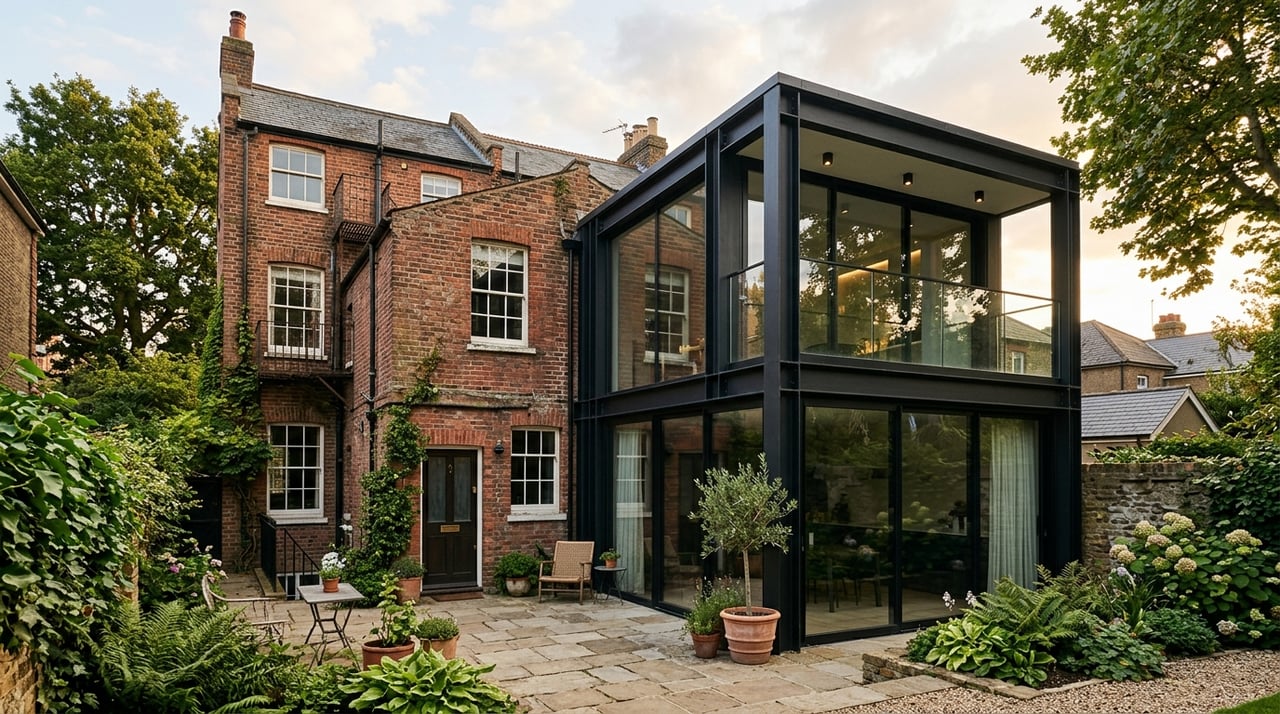
Roof-related upgrades require similar care. DC’s sustainability guidance says solar and green-roof installations should not perceptibly change a building’s massing, height, or roofline from public street view. Visible roof decks and roof additions are generally not appropriate if they alter the building’s character or the streetscape.
The takeaway is practical: preserve what buyers will value most from the street, and focus improvements on comfort, condition, and compatibility.
Price and presentation work together
In Georgetown, a premium address does not remove the need for strategy. Redfin reported a March 2026 median sale price of $1.65 million, 57 days on market, and homes selling at about 98.8% of list price. Realtor.com reported a March 2026 median list price of $2.0 million, 38 median days on market, and a 98% sale-to-list ratio.
Even with differences in methodology, the bigger point is clear. Buyers are still willing to pay well, but they are comparing multiple premium options and responding to condition, presentation, and story. A historic Georgetown home needs all three working together.
That is why disciplined pre-listing planning matters so much. The right pricing strategy gets attention, and the right marketing package gives buyers confidence. When those pieces align, your home can stand out for the right reasons.
Why tailored marketing matters
A Georgetown home deserves more than a generic listing approach. These properties often require nuanced storytelling, polished visual presentation, and a seller strategy that respects both the home’s architecture and the realities of today’s market.
For distinctive homes, that usually means combining neighborhood context, strong creative, and hands-on coordination from start to finish. Sellers benefit when the marketing feels as considered as the property itself.
If you are thinking about selling a historic home in Georgetown, The Lyndsi + Matt Team can help you build a smart, concierge-level plan that highlights your home’s character, clarifies its livability, and positions it for today’s buyers.
FAQs
How should you market a historic Georgetown home to modern buyers?
- Focus on three themes: Georgetown’s sense of place, the home’s architectural character, and the features that support modern daily living, then support that story with strong visuals, a floor plan, and clear property details.
What marketing materials matter most for a Georgetown listing?
- Professional photography, detailed property information, a floor plan, and a video walkthrough or virtual tour are especially important because buyers search online first and need help understanding older layouts.
What pre-listing updates help a historic Georgetown home most?
- High-impact basics such as decluttering, deep cleaning, curb appeal improvements, and thoughtful staging often help the most because they improve presentation without distracting from original features.
What exterior changes require extra caution in Georgetown?
- Exterior work visible from a public street or alley should be approached carefully because Georgetown has layered preservation review, and permits are required for items such as additions, alterations, decks, window replacement, signs, and awnings.
Can you improve energy efficiency in a historic Georgetown home before selling?
- Yes, in many cases repair and maintenance can improve efficiency, and DC guidance specifically notes that historic window repair can help while preserving original character.
Why does pricing strategy matter in Georgetown’s current market?
- Current market data suggests buyers are still paying premium prices, but they are comparing options closely, so accurate pricing and polished presentation are both important to attract strong interest.