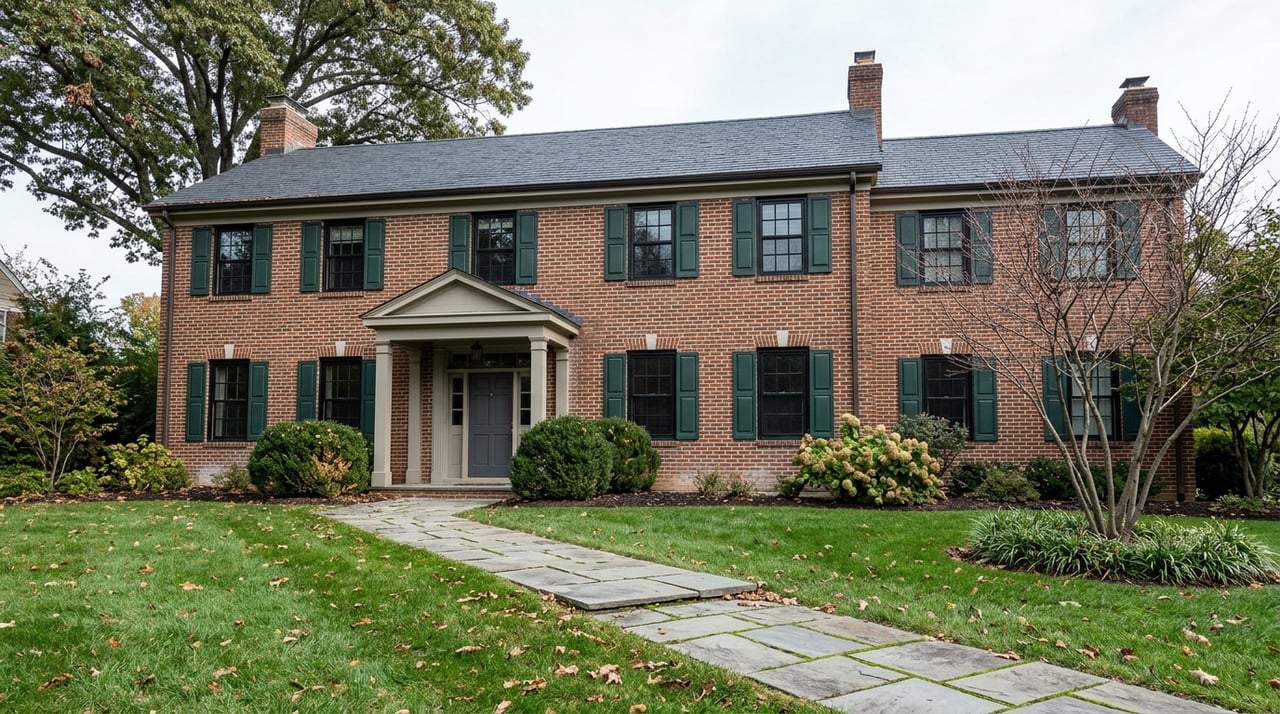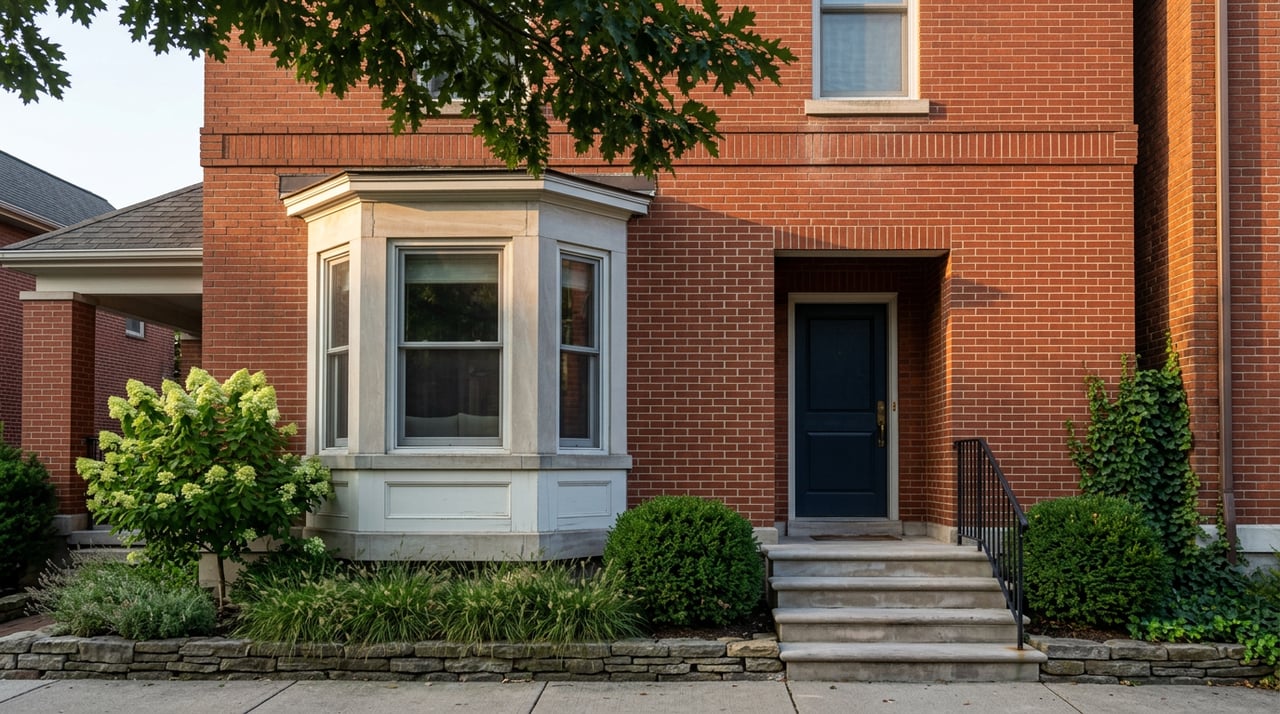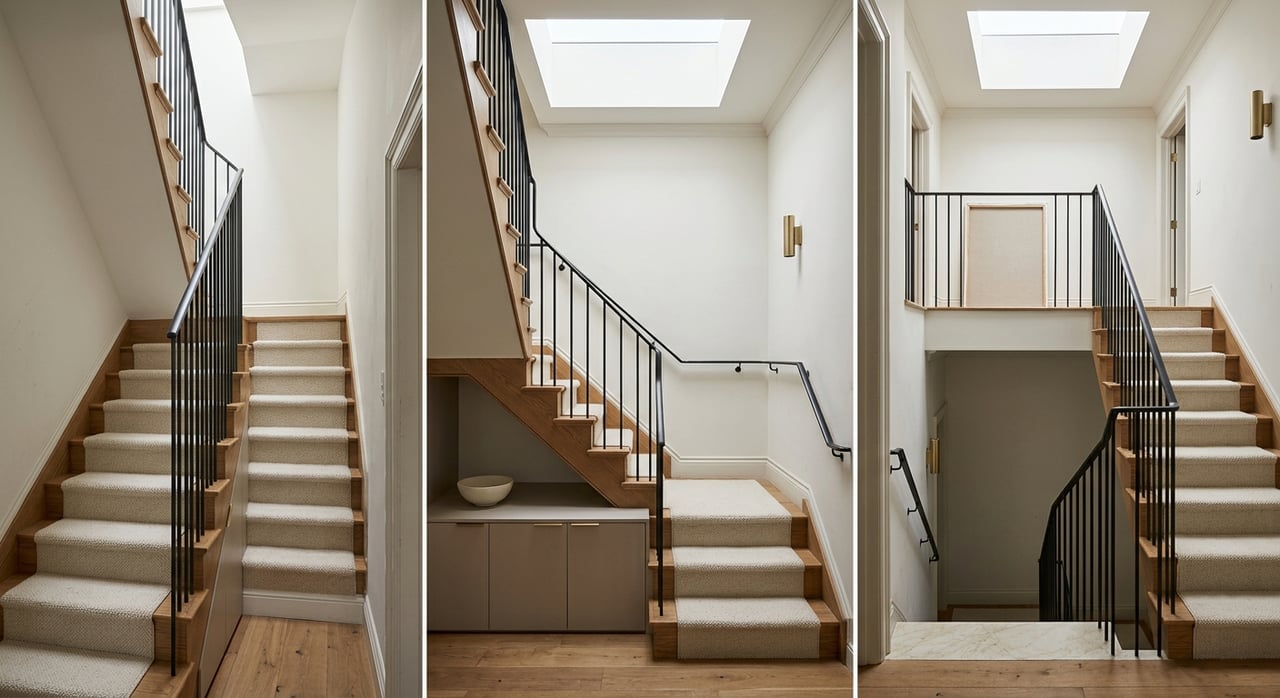
If your Arlington condo has started to feel a little tight, you are not alone. Many owners reach a point where they want more square footage, a different layout, or the feel of a rowhouse without leaving the convenience of Arlington behind. The good news is that this kind of move can work well with the right plan, and understanding the numbers, timing, and neighborhood options upfront can help you move with more confidence. Let’s dive in.
Why this move takes planning
A condo-to-rowhouse move is usually not just a simple trade up in size. It is a shift in how you budget, how you maintain your home, and how you time a sale and purchase in a competitive market.
Arlington remains a fast-moving market. In March 2026, Redfin reported a median sale price of $815,000 across Arlington, with about three offers per home and a median of 31 days on market. That pace means your sale and purchase strategy should be coordinated early, especially if you need condo sale proceeds to fund your next home.
Think beyond the sale price
When you compare your condo to a future rowhouse, the biggest mistake is focusing only on purchase price. What matters more is your full monthly cost and your upfront cash needs.
According to the research provided, condo or HOA dues are often paid separately from your mortgage and can range from a few hundred dollars per month to more than $1,000. If you are leaving a condo with a substantial monthly fee, a rowhouse may shift that money away from dues and toward maintenance, insurance, taxes, or a larger mortgage payment.
Compare the full monthly payment
A more useful comparison includes:
- Principal and interest
- Property taxes
- Homeowners insurance
- Possible mortgage insurance
- Condo or HOA dues, if any
- Utilities
- Maintenance and repairs
That full-picture approach matters because a rowhouse can feel more affordable in one category and more expensive in another. The goal is not just to buy more space. It is to choose a home that fits your monthly comfort level.
Budget for upfront costs too
Closing costs are another part of the equation. The research report notes that typical closing costs can run about 2% to 5% of the purchase price.
In Arlington, there are also local settlement details to keep in mind. Real estate taxes are billed in two equal installments each year, due June 15 and October 5, and the county says tax responsibility should be worked out during settlement when a property is sold. Arlington County also handles deed recording and provides a deed calculation system for recording taxes and fees, with a county recordation tax tied to the state recordation tax on the first recordation of taxable instruments.
Understand the Arlington price ladder
If you are moving from a condo to a rowhouse, it helps to think in planning ranges rather than a single target number. Neighborhood-level medians mix property types, so they are most useful as directional guideposts, not rowhouse-only pricing.
A practical Arlington ladder starts with the condo-heavy corridors and moves toward attached-home neighborhoods with higher price points. That gives you a clearer way to evaluate what your current equity may realistically buy.
Condo-heavy starting points
Ballston-Virginia Square and Clarendon-Courthouse are common starting points for condo owners considering a move. In March 2026, Ballston-Virginia Square had a median sale price of $540,000, while Clarendon-Courthouse posted a median of $670,000.
Those areas remain closely tied to transit access and walkability, and they often represent the kind of urban lifestyle many condo owners are balancing against a desire for more space. If you own in one of these corridors, your next move often involves deciding how much of that convenience you want to keep.
Mid-tier move-up options
Penrose and Westover Village sit in a useful planning band for many move-up buyers. Penrose posted a March 2026 median sale price of $843,500, and Westover Village posted a median of $810,000.
That range can be especially relevant if you are selling a well-positioned condo and trying to step into an attached home without jumping immediately into the low seven figures. Recent Penrose sales in the research report ranged from roughly $720,000 to $875,000, which shows why this tier often feels approachable for condo owners making a first move up.
Higher-price move-up neighborhoods
Lyon Park, Lyon Village, and Ashton Heights represent a higher-price tier. March 2026 median sale prices were $1,415,000 in Lyon Park, $1,400,000 in Lyon Village, and $1,158,892 in Ashton Heights.
These areas often come into focus when buyers want more space, classic Arlington housing stock, or a specific style of attached or larger home. For planning purposes, they are helpful benchmarks for understanding when a condo-to-rowhouse move may require more equity, more cash, or a wider search strategy.
Know what changes with ownership
Owning a rowhouse is different from owning a condo, even if both are attached homes. The monthly budget may look more straightforward in some ways, but the maintenance responsibility often increases.
In a condo, some costs may be bundled into your dues, including shared building expenses and, in some cases, elements of insurance for common areas. In a rowhouse, you are more likely to manage more of the property directly, which means planning for repairs, upkeep, and utilities in a different way.
Insurance can change
Insurance is one area where the shift can surprise people. Condo ownership often works alongside a master insurance policy for common areas, while a rowhouse usually requires a more complete homeowners policy for the property you own.
That does not automatically make one better than the other. It simply means you should compare your current insurance structure with what a future rowhouse will require so there are no surprises in your monthly budget.
Your condo sale may have its own timing issues
If you are selling a condo before buying a rowhouse, your buyer pool can matter. The research report notes that condo financing can be affected by project-level factors, especially for FHA financing, including insurance coverage, financial condition, title, legal action, and owner-occupancy.
In practical terms, that means a condo sale is not always as predictable as the list price might suggest. If your timing depends on a smooth condo sale, it helps to build in extra planning room rather than assuming every buyer and loan type will move at the same speed.
Coordinate the sale and purchase early
In a market like Arlington, timing matters almost as much as price. If you need proceeds from your condo to buy your next home, waiting until the last minute to line everything up can create avoidable stress.
A better approach is to coordinate pre-approval, sale prep, pricing strategy, and likely settlement windows before your condo goes live. That way, you are making decisions from a position of clarity instead of reacting on the fly.
Focus on three tradeoffs
For most Arlington condo owners, this move comes down to three key tradeoffs:
- Equity: How much buying power your condo sale creates
- Monthly carrying cost: What your full monthly housing cost will be after the move
- Neighborhood fit: How your next location supports the way you want to live day to day
When you frame the move this way, the decision often becomes clearer. You are not simply asking whether you can afford a rowhouse. You are asking which version of Arlington best matches your finances and lifestyle goals.
What a smart move-up plan looks like
The strongest condo-to-rowhouse plans usually follow a clear sequence. That sequence helps you avoid overcommitting on the buy side or undershooting on the sale side.
A practical planning process often looks like this:
- Review your condo’s likely market position and sale timing.
- Estimate your available equity after selling costs and settlement expenses.
- Compare your current monthly housing cost with a realistic future rowhouse budget.
- Identify target neighborhoods by planning range, not just wish list.
- Coordinate listing prep, pre-approval, and purchase timing before you make major commitments.
This kind of preparation is especially helpful in Arlington because county assessments, while useful, are not the same as current market pricing. Arlington County says assessments are its opinion of fair market value for each parcel, based on prior sales data in a set period, so they can lag the live market and should not be treated like an asking price.
The bottom line for Arlington owners
Moving from an Arlington condo to a rowhouse can be a smart next step, but it works best when you look at the whole picture. Price is only one piece. Your equity position, monthly budget, ownership responsibilities, and neighborhood goals all matter just as much.
If you are thinking about making this move, the most helpful first step is often a tailored strategy conversation. The right plan can help you understand where your condo fits in today’s market, what kind of rowhouse range makes sense, and how to sequence the move with less disruption. If you are ready to map out your next chapter in Arlington, The Lyndsi + Matt Team can help you build a clear, concierge-level plan.
FAQs
What should Arlington condo owners compare when planning a rowhouse move?
- You should compare the full monthly housing cost, including mortgage payment, property taxes, insurance, dues if any, utilities, and expected maintenance.
What are Arlington property tax payment dates for homeowners?
- Arlington real estate taxes are billed in two equal installments each year, due June 15 and October 5.
What Arlington neighborhoods are useful for condo-to-rowhouse planning?
- Useful planning ranges include Ballston-Virginia Square and Clarendon-Courthouse as condo-heavy starting points, Penrose and Westover Village in the low-to-mid $800,000 range, and Lyon Park, Lyon Village, and Ashton Heights in the low seven figures and above.
Why can an Arlington condo sale feel less predictable than expected?
- Condo sales can be affected by financing and project-level factors, including insurance, financial condition, title, legal action, owner-occupancy, and the buyer’s loan type.
Are Arlington County assessments the same as market value for a home sale?
- No. Arlington County says assessments are its opinion of fair market value for each parcel and are based on prior sales data, so they can lag current market conditions.
When should Arlington homeowners coordinate a condo sale and rowhouse purchase?
- In a competitive market, it is usually best to coordinate pre-approval, listing prep, and likely settlement timing early rather than waiting until the last minute.