Moving to Washington, DC for work can feel exciting and overwhelming at the same time. You may be balancing a new job, a short timeline, and a housing market that looks very different from other cities. The good news is that DC offers a wide range of home types and living patterns, and once you understand how the city is organized, your options become much easier to sort through. Let’s dive in.
DC Housing Starts With Wards
One of the first things to know is that Washington, DC is often best understood by wards, not by official neighborhood boundaries. The DC Office of Planning notes that the city does not have official neighborhood boundaries, which is why ward-based comparisons can be more useful when you are relocating.
That matters because housing patterns can shift a lot from one part of the city to another. If you are trying to match your commute, budget, and preferred home style, looking at the ward-level housing mix gives you a clearer picture of what you are likely to find.
DC Is Primarily a Renter City
Washington is a renter-majority city. A 2025 D.C. Policy Center analysis estimated that 68% of housing units were rentals in 2024, while Census QuickFacts reports an owner-occupied housing rate of 41.5%.
For a relocating professional, that means rental inventory is a major part of the market across the District. It also means many areas, especially closer to employment centers and transit, have a built environment shaped by apartment buildings and multifamily housing.
Census QuickFacts reports a median gross rent of $1,954 in DC. On the ownership side, the same source reports a median owner value of $737,100, which gives you a useful baseline if you are deciding whether to rent first or buy soon after your move.
Housing Types You’ll See in DC
DC has a distinct housing mix, and each type comes with a different ownership structure, cost pattern, and lifestyle fit. If you are relocating for work, understanding these differences can help you make better decisions from the start.
Condos
Condos are individually owned units in a shared building. You own your unit and share ownership of the common areas with other owners.
A key budget item is the monthly condo or HOA fee. Consumer guidance cited in the research report notes that these dues are usually separate from your mortgage and can range from a few hundred dollars a month to more than $1,000 a month, so they should be treated as part of your regular housing payment.
Co-ops
Co-ops work differently from condos. Instead of owning the apartment directly, you buy shares in the corporation that owns the building and receive the right to occupy a specific unit.
That structure also changes your monthly costs. HUD guidance cited in the research report explains that co-op charges can include your share of building operating expenses and underlying mortgage debt service, which is why the payment structure may look different from traditional ownership.
Rowhouses and Townhouses
Rowhouses and townhouses are a signature part of Washington’s housing landscape. You will see them in many established residential areas, and they often appeal to buyers who want more space than a condo without moving far from the city core.
The Office of Planning describes Ward 1 as largely rowhouse-dominated. Ward 2 includes historic townhouse areas in Foggy Bottom and West End, Ward 6 includes Capitol Hill’s townhouse fabric, and Ward 4 has major townhouse concentrations in places such as Petworth and Brightwood.
Single-Family Homes
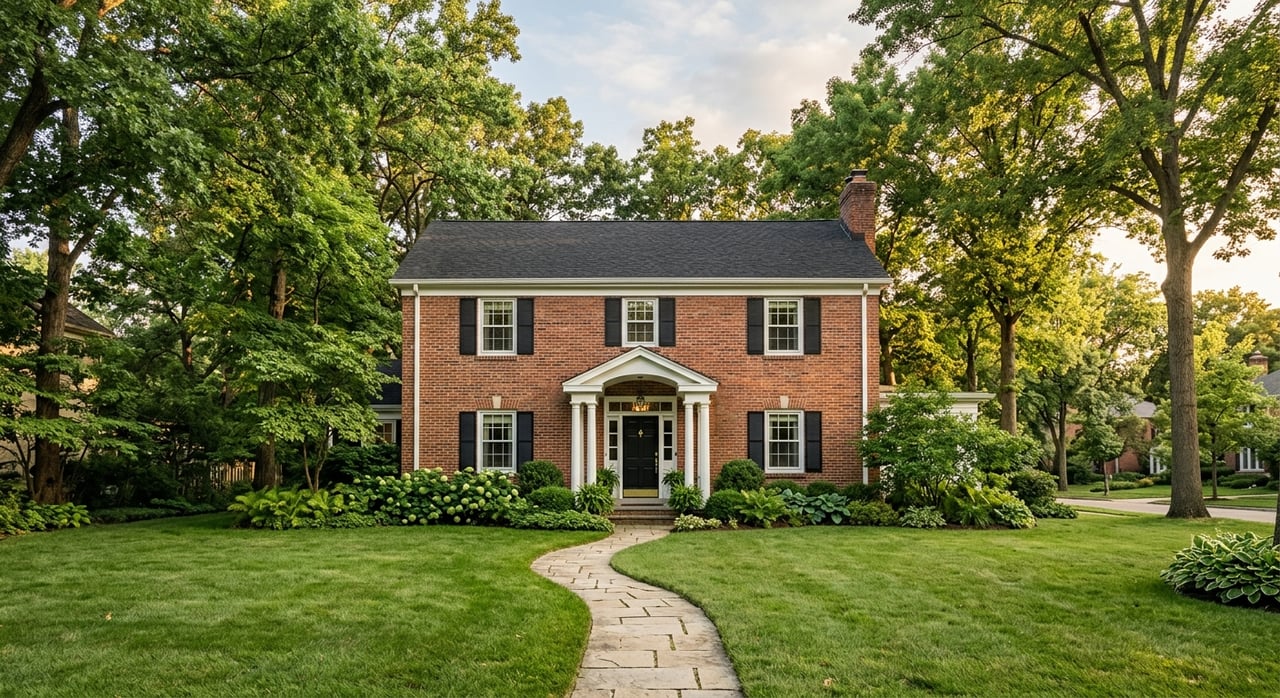
Detached single-family homes are less common citywide, but they are an important option in some parts of DC. If your move calls for more interior space, outdoor space, or a quieter residential setting, this housing type may be worth targeting.
The Office of Planning says detached homes are most common in Wards 3, 4, and 5. Ward 3, in particular, includes more single-family-oriented areas such as Tenleytown, Palisades, Spring Valley, Friendship Heights, and Chevy Chase, while Ward 4 and Ward 5 include smaller pockets of detached homes in several northern neighborhoods.
Where Commute Patterns and Housing Align
For most people relocating to DC for work, the real question is not just what kind of home you want. It is how you want to live day to day.
Your commute, preferred pace, and need for space all shape the right fit. In broad terms, DC offers an apartment-heavy core, rowhouse-heavy inner neighborhoods, and more detached-home-oriented upper Northwest and northern sections.
Transit-First Core
If you want a commute built around walking or transit, the city core usually offers the most direct fit. Ward 2 includes the Central Business District, Federal Triangle, Georgetown, Foggy Bottom, West End, Dupont Circle, Logan Circle, Mount Vernon Square, and Shaw. Ward 6 includes Downtown, Penn Quarter, Southwest Waterfront, the Wharf, Capitol Riverfront, Buzzard Point, and Capitol Hill.
The Office of Planning says that more than 50% of homes in Wards 1, 2, and 6 are large apartment buildings with 20 or more units. WMATA also says more than 54% of the region’s jobs are within a half mile of a Metro station or bus stop, which helps explain why these central areas often appeal to professionals who want easier transit access.
Rowhouse and Mixed Residential Areas
If you want a blend of neighborhood feel, city access, and varied housing stock, rowhouse and mixed residential areas may be a better match. Many of these places were historically shaped by transit, including Ward 3 along the Connecticut Avenue streetcar line, Brookland in Ward 5 as a commuter-rail village, and Takoma in Ward 4 as a streetcar suburb.
Ward 1 includes areas such as Columbia Heights, Adams Morgan, Mount Pleasant, Shaw, and U Street, where rowhouses and townhouses are a major part of the housing fabric. Wards 4 and 5 combine townhouse blocks, small apartment buildings, and some newer mixed-use districts such as NoMa and Union Market.
More Space in Upper Northwest
If your top priority is more space, Washington does offer that, but you may find it more often in upper Northwest and northern parts of the city. Ward 3 is described by the Office of Planning as a largely residential upper-NW ward built around village-style commercial centers.
In places such as Woodley Park, Cleveland Park, North Cleveland Park/Forest Hills, and the DC portion of Chevy Chase, denser apartment buildings and townhouses often sit closer to commercial cores, then transition into single-family homes. In Tenleytown, Palisades, Spring Valley, and much of the rest of Ward 3, single-family-oriented housing becomes more common.
What to Budget for in DC Housing
Housing costs in DC go beyond the list price or monthly rent. If you are relocating for work, it helps to build your budget around the full carrying cost, especially if you are considering ownership.
Census QuickFacts reports median monthly owner costs of $3,128 with a mortgage and $899 without a mortgage. Those numbers are citywide medians, so they are not a quote for any one property, but they are helpful benchmarks when you are mapping out affordability.
Ownership Costs to Watch
If you plan to buy, make sure you account for these recurring costs:
- Mortgage payment
- Condo, HOA, or co-op fees if applicable
- Real property taxes
- Insurance and routine maintenance
The DC Office of Tax and Revenue says the residential real property tax rate is $0.85 per $100 of assessed value as of tax year 2026. It also states that the homestead deduction reduces the assessed value of a qualifying principal residence by $91,950, which can matter if the home will be your primary residence.
Why Fees Matter in DC
In many DC condo and co-op buildings, the monthly fee is not a small side expense. It can be a meaningful part of your housing cost.
That is especially important for relocating buyers who are comparing a condo to a rowhouse or detached home. A lower purchase price does not always mean a lower monthly cost if building fees are substantial.
Should You Rent First or Buy Right Away?
There is no one-size-fits-all answer, but DC’s housing mix gives you options. Because the city has a large rental inventory, renting first can make sense if you want time to learn your commute patterns, office routine, and preferred part of the city.
Buying can make sense if you already know your timeline, understand your budget, and want to establish a longer-term home base from the start. In either case, your decision is easier when you compare not just neighborhoods, but also housing types, monthly costs, and commute tradeoffs.
A Practical Way to Narrow Your Search
When you are relocating to Washington for work, it helps to narrow your options in this order:
- Define your commute priorities
- Set your true monthly budget, including fees and taxes
- Choose the housing type that fits your lifestyle
- Compare wards and residential patterns that match those needs
This approach keeps you from getting distracted by listings that look appealing online but do not support your daily routine. In a city as varied as DC, clarity around logistics usually leads to better decisions.
Relocating is more than finding an address. It is about choosing a home that supports how you want to live, work, and move through the city each day. If you want tailored guidance on DC condos, rowhouses, or single-family options that align with your commute and budget, The Lyndsi + Matt Team can help you navigate the process with a concierge-level approach.
FAQs
What kind of housing is most common for relocating professionals in Washington, DC?
- In many central parts of DC, apartment buildings and multifamily housing are the most common options, especially in Wards 1, 2, and 6 where large apartment buildings make up a significant share of the housing stock.
How should you compare condos and co-ops in Washington, DC?
- A condo gives you ownership of the unit itself, while a co-op involves buying shares in the building’s corporation, and both can include monthly charges that should be treated as core housing costs.
Which parts of Washington, DC tend to have more rowhouses and townhouses?
- Rowhouses and townhouses are especially common in Ward 1, Capitol Hill in Ward 6, historic parts of Ward 2, and sections of Ward 4 such as Petworth and Brightwood.
Where can you find more single-family homes in Washington, DC?
- Detached single-family homes are most common in Wards 3, 4, and 5, with Ward 3 offering some of the city’s strongest concentration of single-family-oriented housing.
What housing costs should you budget for when buying in Washington, DC?
- In addition to your mortgage, you should budget for condo, HOA, or co-op fees if applicable, real property taxes, insurance, and ongoing maintenance.
Is it better to rent or buy when relocating to Washington, DC for work?
- It depends on your timeline, budget, and certainty about where you want to live, but DC’s large rental inventory can make renting first a practical option while you learn the city and your commute.